What does Judges 8:32 mean?
"¶ And Gideon the son of Joash died in a good old age, and was buried in the sepulchre of Joash his father, in Ophrah of the Abiezrites." - Judges 8:32
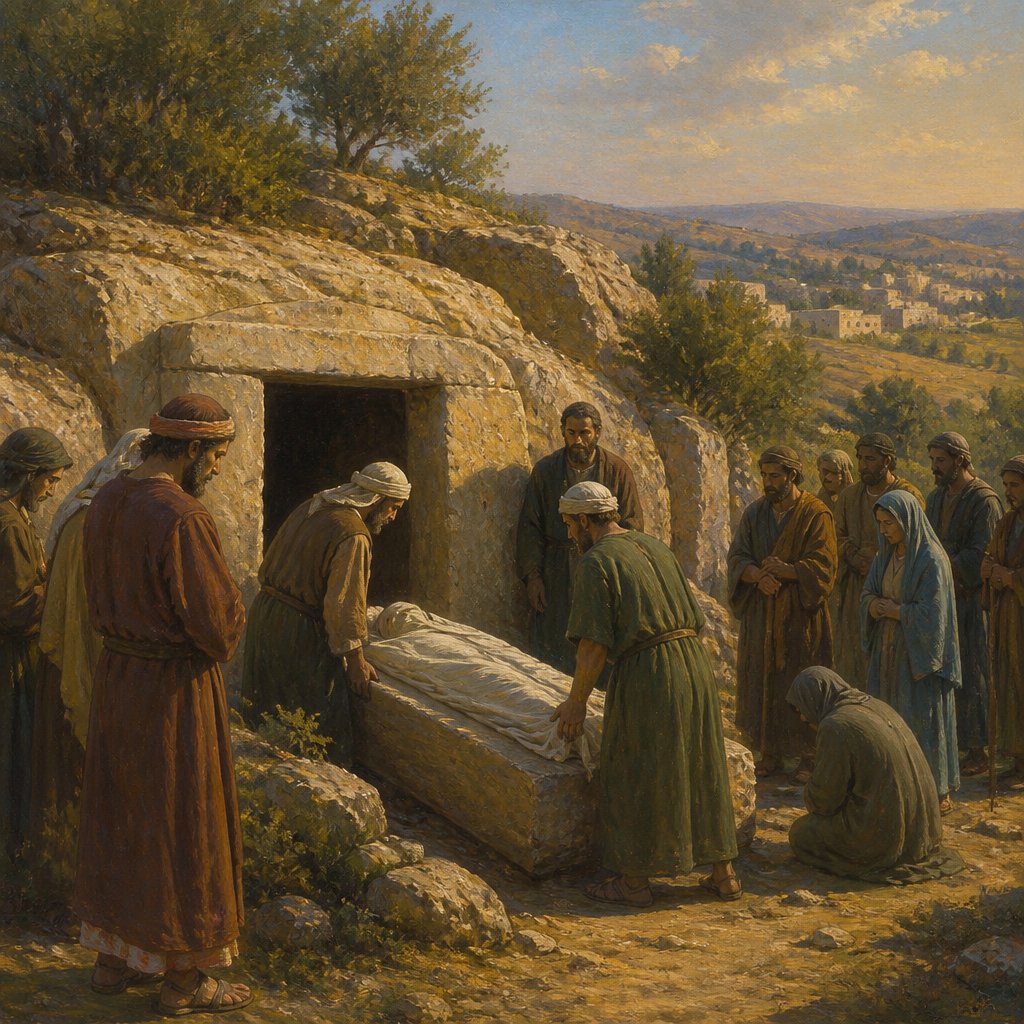
Judges 8:32 (KJV) reads, "And Gideon the son of Joash died in a good old age, and was buried in the sepulchre of Joash his father, in Ophrah of the Abiezrites."
This verse comes at the end of the story of Gideon, one of the judges of Israel. Gideon is known for his leadership in the battle against the Midianites, in which God used him to deliver the Israelites from their oppressors. Gideon's story is filled with themes of faith, obedience, and the power of God's intervention in the lives of His people.
The verse begins by telling us that Gideon died in a good old age. This phrase indicates that Gideon lived a long and fulfilling life, which is often seen as a reward for his faithfulness and obedience to God. In the biblical context, living to a good old age was a sign of God's favor and blessing. It also suggests that Gideon's leadership and obedience to God's call had a positive impact on the nation of Israel.
The verse continues by stating that Gideon was buried in the sepulchre of his father, Joash, in Ophrah of the Abiezrites. This detail is significant in understanding the symbolism and meaning of the verse. In ancient times, being buried in the sepulchre of one's father was a sign of honor and respect. It symbolized the continuation of the family lineage and the legacy left behind by the deceased. By being buried in his father's sepulchre, Gideon is being honored as a patriarch and leader of his family and community.
Ophrah of the Abiezrites is also significant in understanding the context of the verse. Ophrah was Gideon's hometown, and the mention of the Abiezrites indicates his tribal affiliation. This detail serves to remind the readers of Gideon's roots and his connection to the land and people he led. It also reinforces the idea that Gideon's life and legacy were deeply rooted in his identity as an Israelite and a servant of God.
The verse as a whole serves as a conclusion to Gideon's story and emphasizes the impact of his life and leadership. It highlights the theme of legacy and the importance of honoring those who have gone before us. Gideon's burial in his father's sepulchre signifies the continuation of his influence and the lasting impact of his faithfulness and obedience to God.
From a broader theological perspective, Gideon's story is a testament to the power of God to use ordinary people to accomplish extraordinary things. Gideon was initially hesitant and doubtful of his ability to lead the Israelites in battle, but through God's guidance and intervention, he was able to overcome his fears and doubts. This theme of God's empowerment of the weak and unlikely serves as an inspiration to believers to trust in God's plan and to step out in faith, even when it seems unlikely or impossible.
In conclusion, Judges 8:32 (KJV) is a verse that encapsulates the conclusion of Gideon's story and emphasizes the themes of legacy, honor, and the power of God to use ordinary people for His purposes. It serves as a reminder of the impact of a life lived in obedience to God and the importance of honoring those who have gone before us. Gideon's burial in the sepulchre of his father symbolizes the continuation of his legacy and the lasting impact of his leadership. This verse encourages believers to trust in God's plan and to recognize the potential for great things through faith and obedience.
Have questions about Judges 8:32?
Dive deeper into this scripture with Bible Chat — an AI-powered tool for exploring God's Word through conversation. Ask questions, get context, and grow in your understanding of the Bible.
Get Our Apps


Judges 8:32 Artwork

Judges 8:32 - "¶ And Gideon the son of Joash died in a good old age, and was buried in the sepulchre of Joash his father, in Ophrah of the Abiezrites."
"¶ And Gideon the son of Joash died in a good old age, and was buried in the sepulchre of Joash his father, in Ophrah of the Abiezrites." - Judges 8:32

1 Kings 8:32 - "Then hear thou in heaven, and do, and judge thy servants, condemning the wicked, to bring his way upon his head; and justifying the righteous, to give him according to his righteousness."

Deuteronomy 32:31 - "For their rock is not as our Rock, even our enemies themselves being judges."

Judges 9:32 - "Now therefore up by night, thou and the people that is with thee, and lie in wait in the field:"

Judges 1:32 - "But the Asherites dwelt among the Canaanites, the inhabitants of the land: for they did not drive them out."

Matthew 8:32

Matthew 8:32

Matthew 8:32

Psalm 32:8

Psalm 32:8

Psalm 32:8

Psalm 32:8

Psalm 32:8

Psalm 32:8

Judges 11:32 - "¶ So Jephthah passed over unto the children of Ammon to fight against them; and the LORD delivered them into his hands."

Judges 9:8-15

1 Corinthians 11:32 - "But when we are judged, we are chastened of the Lord, that we should not be condemned with the world."

John 8:15 - "Ye judge after the flesh; I judge no man."

Judges 12:8 - "¶ And after him Ibzan of Beth-lehem judged Israel."

Judges 6:32 - "Therefore on that day he called him Jerubbaal, saying, Let Baal plead against him, because he hath thrown down his altar."

Judges 20:32 - "And the children of Benjamin said, They are smitten down before us, as at the first. But the children of Israel said, Let us flee, and draw them from the city unto the highways."

Ezra 8:32 - "And we came to Jerusalem, and abode there three days."

"For their rock is not as our Rock, even our enemies themselves being judges." - Deuteronomy 32:31

Job 32:8 - "But there is a spirit in man: and the inspiration of the Almighty giveth them understanding."

The Plague of Flies - Exodus 8:20-32.

The Plague of Flies - Exodus 8:20-32

The Plague of Flies - Exodus 8:20-32

Judges 8:17 - "And he beat down the tower of Penuel, and slew the men of the city."

Judges 8:29 - "And Jerubbaal the son of Joash went and dwelt in his own house."