What does Judges 5:2 mean?
"Praise ye the LORD for the avenging of Israel, when the people willingly offered themselves." - Judges 5:2
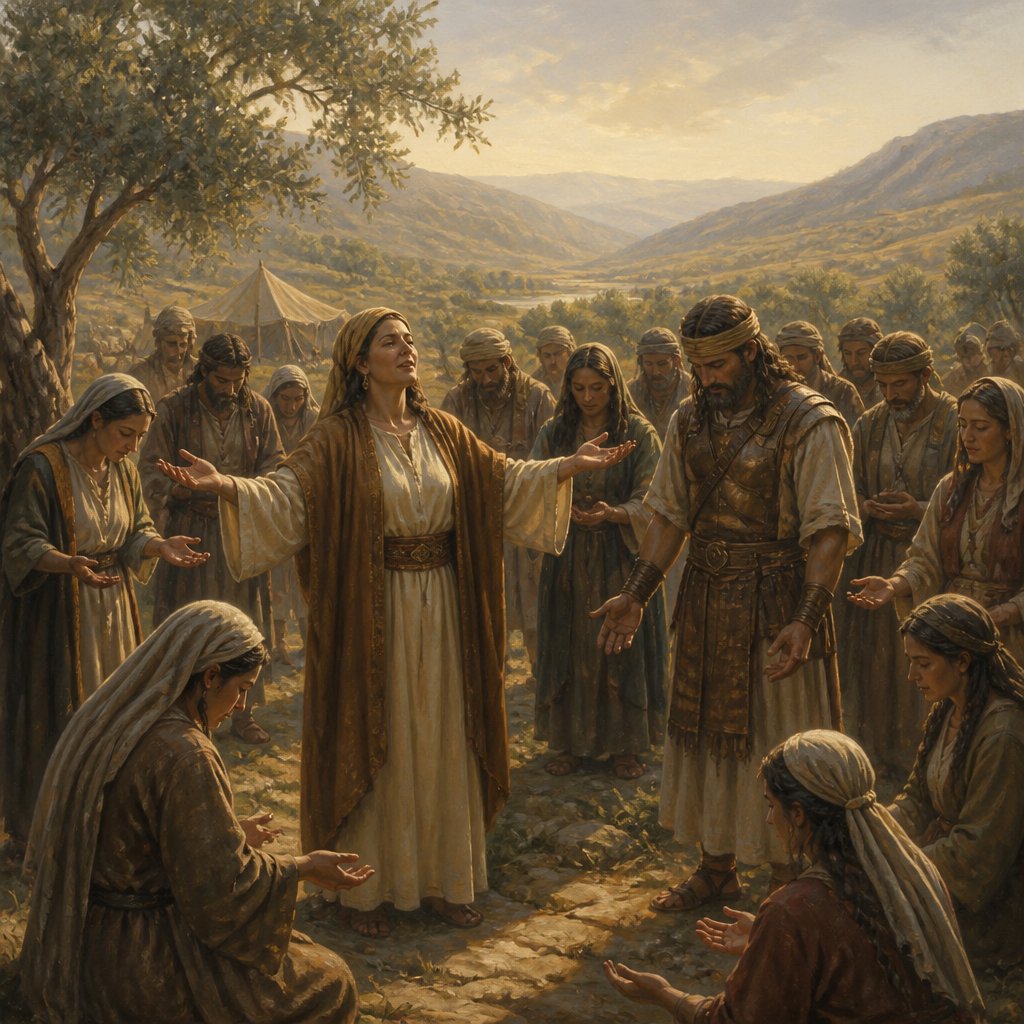
Judges 5:2 in the King James Version of the Bible reads: "Praise ye the Lord for the avenging of Israel, when the people willingly offered themselves."
This verse comes from the Book of Judges, which is part of the Old Testament. The Book of Judges takes place during a tumultuous time in Israel's history, when they were ruled by judges who were chosen by God to lead and deliver them from oppression. The verse in question is part of the Song of Deborah, a poetic celebration of a military victory led by the prophetess Deborah and the judge Barak.
The context of this verse is a celebration of the victory of the Israelites over their oppressors, the Canaanites. The preceding verses describe how the Israelites, under the leadership of Deborah and Barak, were able to defeat the Canaanite forces, despite being outnumbered and without traditional military weapons. This victory was seen as a divine intervention, with God guiding and empowering the Israelites to overcome their enemies.
The theme of this verse and the broader passage is the praise and thanksgiving to God for delivering His people from oppression. The Israelites willingly offered themselves for this cause, demonstrating their faith and dedication to God. This theme of faith and dedication to God is a recurring motif throughout the Book of Judges, as the Israelites continually face challenges and enemies, and rely on God to deliver them.
The verse also highlights the concept of avenging or seeking justice. The Israelites were oppressed by the Canaanites, and God's intervention allowed them to avenge their suffering and achieve justice. This theme of justice and retribution, as a result of God's intervention, is also seen in other parts of the Bible, and reflects the belief that God is a just and righteous deity who will intervene on behalf of His people.
Symbolism plays a significant role in this verse and the broader passage. The voluntary offering of the Israelites represents their commitment to God and their willingness to serve Him. This act of sacrifice and dedication is seen as pleasing to God, and is a recurring theme throughout the Bible, reflecting the importance of willing obedience and faith.
The reference to the avenging of Israel represents the idea of God as a protector and deliverer of His people. The victory over the Canaanites is seen as a divine act, demonstrating God's power and authority. This symbolism is significant in portraying God as a force to be reckoned with, and as a deity who will intervene to protect His people and bring justice to their oppressors.
In conclusion, Judges 5:2 in the King James Version of the Bible is a powerful and symbolic verse that celebrates the deliverance and avenging of the Israelites through the willing offering of themselves. The broader context of the verse depicts God's intervention in achieving justice and delivering His people from oppression. The themes of faith, dedication, justice, and divine intervention are prominent in this verse, and serve as a testament to the enduring significance of the Book of Judges and its portrayal of God's providential care for His people.
Have questions about Judges 5:2?
Dive deeper into this scripture with Bible Chat — an AI-powered tool for exploring God's Word through conversation. Ask questions, get context, and grow in your understanding of the Bible.
Get Our Apps


Judges 5:2 Artwork

Judges 5:2 - "Praise ye the LORD for the avenging of Israel, when the people willingly offered themselves."
"Praise ye the LORD for the avenging of Israel, when the people willingly offered themselves." - Judges 5:2

Judges 2:5 - "And they called the name of that place Bochim: and they sacrificed there unto the LORD."

2 Chronicles 19:5 - "¶ And he set judges in the land throughout all the fenced cities of Judah, city by city,"
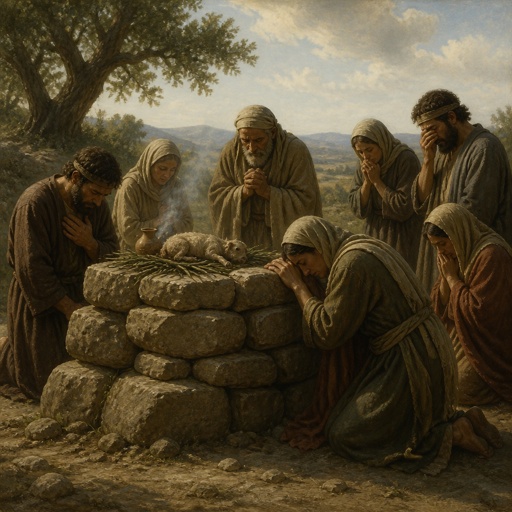
"And they called the name of that place Bochim: and they sacrificed there unto the LORD." - Judges 2:5

Judges 5:7

2 Corinthians 5:14 - "For the love of Christ constraineth us; because we thus judge, that if one died for all, then were all dead:"

Judges 10:5 - "And Jair died, and was buried in Camon."

Judges 5:5 - "The mountains melted from before the LORD, even that Sinai from before the LORD God of Israel."

"¶ And he set judges in the land throughout all the fenced cities of Judah, city by city," - 2 Chronicles 19:5

Judges 5:1 - "Then sang Deborah and Barak the son of Abinoam on that day, saying,"

Judges 5:20 - "They fought from heaven; the stars in their courses fought against Sisera."

2 Kings 15:5 - "¶ And the LORD smote the king, so that he was a leper unto the day of his death, and dwelt in a several house. And Jotham the king's son was over the house, judging the people of the land."

Judges 5:22 - "Then were the horsehoofs broken by the means of the pransings, the pransings of their mighty ones."

Judges 2:16 - "¶ Nevertheless the LORD raised up judges, which delivered them out of the hand of those that spoiled them."

"And Jair died, and was buried in Camon." - Judges 10:5

Judges 2:31

Judges 5:29 - "Her wise ladies answered her, yea, she returned answer to herself,"

Judges 5:10 - "Speak, ye that ride on white asses, ye that sit in judgment, and walk by the way."

Judges 1:5 - "And they found Adoni-bezek in Bezek: and they fought against him, and they slew the Canaanites and the Perizzites."

1 Corinthians 5:12 - "For what have I to do to judge them also that are without? do not ye judge them that are within?"

Judges 3:5 - "¶ And the children of Israel dwelt among the Canaanites, Hittites, and Amorites, and Perizzites, and Hivites, and Jebusites:"

Judges 5:18 - "Zebulun and Naphtali were a people that jeoparded their lives unto the death in the high places of the field."

Judges 5:19 - "The kings came and fought, then fought the kings of Canaan in Taanach by the waters of Megiddo; they took no gain of money."

Judges 5:8 - "They chose new gods; then was war in the gates: was there a shield or spear seen among forty thousand in Israel?"

Matthew 7:1-2 - "Do not judge, or you too will be judged. For in the same way you judge others, you will be judged, and with the measure you use, it will be measured to you."

Jeremiah 5:28 - "They are waxen fat, they shine: yea, they overpass the deeds of the wicked: they judge not the cause, the cause of the fatherless, yet they prosper; and the right of the needy do they not judge."

Judges 5:7 - "The inhabitants of the villages ceased, they ceased in Israel, until that I Deborah arose, that I arose a mother in Israel."

Judges 5:6 - "In the days of Shamgar the son of Anath, in the days of Jael, the highways were unoccupied, and the travellers walked through byways."

Judges 5:9 - "My heart is toward the governors of Israel, that offered themselves willingly among the people. Bless ye the LORD."