What does Judges 1:2 mean?
"And the LORD said, Judah shall go up: behold, I have delivered the land into his hand." - Judges 1:2
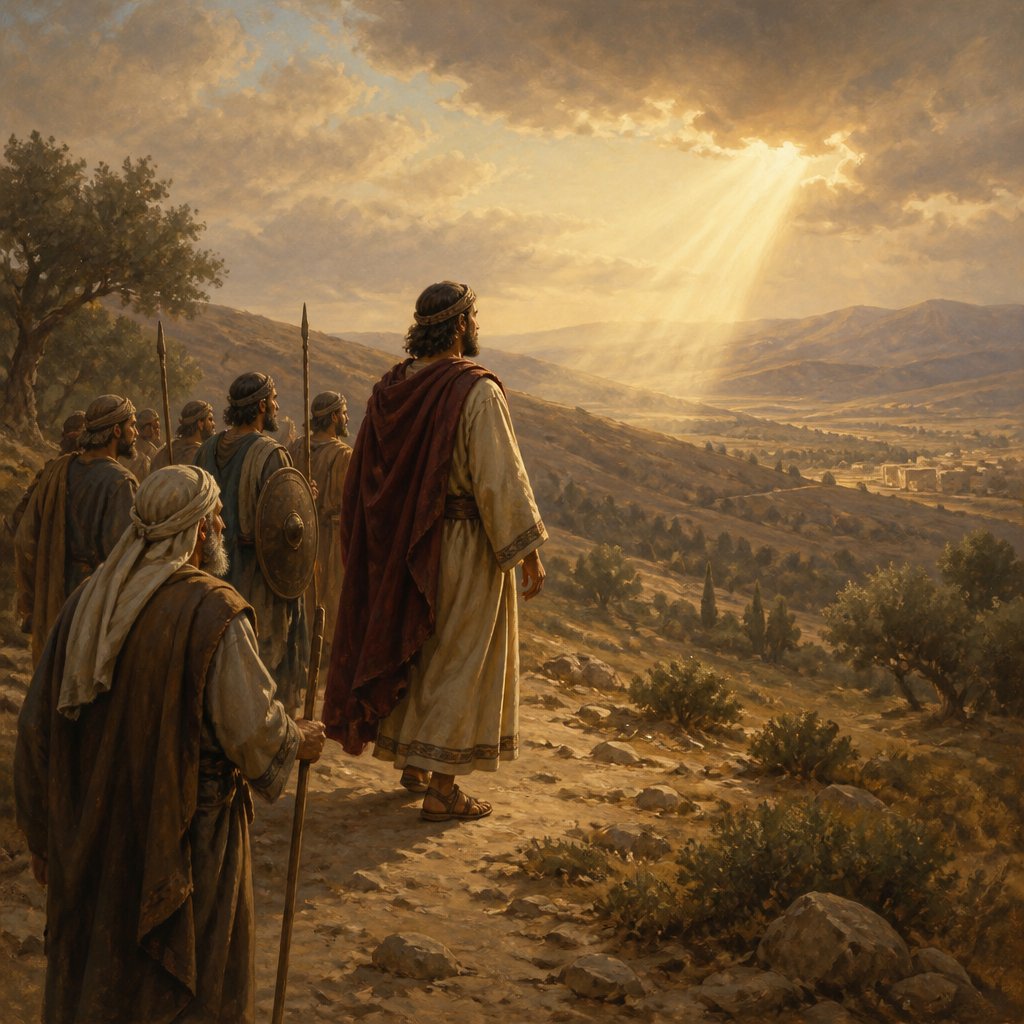
Judges 1:2 from the King James Version (KJV) states, "And the Lord said, Judah shall go up: behold, I have delivered the land into his hand." This verse is found in the Old Testament in the book of Judges. To truly understand the meaning and commentary of this verse, it is important to explore the themes, context, and symbolism within the larger narrative of the book of Judges and the Bible as a whole.
The book of Judges is set in a turbulent time in Israel's history, after the death of Joshua. It follows the Israelites as they settle in the Promised Land and face numerous trials and challenges. The central theme of the book of Judges is the cycle of disobedience, judgment, repentance, and deliverance. The Israelites repeatedly turn away from God, and as a result, they face oppression from their enemies. However, when they repent and cry out to God, He raises up judges to deliver them from their oppressors.
In Judges 1:2, we see the beginning of this cycle of deliverance. The Lord instructs Judah to go up and take possession of the land that has been delivered into their hands. This verse sets the stage for the conquest of the Promised Land and highlights the faithfulness of God in fulfilling His promises to His people.
The context of Judges 1:2 is crucial to understanding its significance. After the death of Joshua, the Israelites are faced with the daunting task of conquering the land that God had promised to them. Each tribe is allotted specific territories, and they are called to drive out the Canaanite inhabitants. However, the Israelites do not fully obey God’s command, and they fail to completely drive out the inhabitants of the land. This disobedience will have significant consequences for the Israelites in the future.
In this verse, we see God’s faithfulness in ensuring the fulfillment of His promise to deliver the land into the hands of Judah. The symbolism of Judah going up to take possession of the land is significant in the larger narrative of the Bible. Judah, the fourth son of Jacob, is the ancestor of the tribe of Judah, from which the line of David and ultimately Jesus Christ will come. The significance of Judah being chosen by the Lord to go up and take possession of the land foreshadows the future role of the tribe of Judah in the establishment of the Davidic monarchy and the fulfillment of God’s ultimate plan of salvation for all humanity through the coming of Jesus Christ.
Furthermore, the image of the land being delivered into the hands of Judah is symbolic of God’s faithfulness to His covenant with the people of Israel. Throughout the Bible, the land of Canaan represents the inheritance and blessing that God has promised to His people. The land is also a symbol of God's presence and provision for His people. By delivering the land into the hands of Judah, God is demonstrating His faithfulness in fulfilling His promises and providing for His people.
In conclusion, Judges 1:2 from the King James Version carries rich themes of faithfulness, obedience, and the fulfillment of God's promises. Its context within the larger narrative of the book of Judges and the Bible as a whole highlights the significance of God’s faithfulness in delivering the land into the hands of Judah. The verse also holds symbolic significance in foreshadowing the future role of the tribe of Judah in the lineage of Jesus Christ. Overall, Judges 1:2 is a powerful reminder of God’s faithfulness and provision for His people, and it serves as a testament to His unwavering commitment to fulfilling His promises.
Have questions about Judges 1:2?
Dive deeper into this scripture with Bible Chat — an AI-powered tool for exploring God's Word through conversation. Ask questions, get context, and grow in your understanding of the Bible.
Get Our Apps


Judges 1:2 Artwork

Judges 1:2 - "And the LORD said, Judah shall go up: behold, I have delivered the land into his hand."
"And the LORD said, Judah shall go up: behold, I have delivered the land into his hand." - Judges 1:2

Judges 2:31

Matthew 7:1-2 - "Do not judge, or you too will be judged. For in the same way you judge others, you will be judged, and with the measure you use, it will be measured to you."

1 Corinthians 6:2 - "Do ye not know that the saints shall judge the world? and if the world shall be judged by you, are ye unworthy to judge the smallest matters?"

2 Chronicles 1:2 - "Then Solomon spake unto all Israel, to the captains of thousands and of hundreds, and to the judges, and to every governor in all Israel, the chief of the fathers."

1 Samuel 8:2 - "Now the name of his firstborn was Joel; and the name of his second, Abiah: they were judges in Beer-sheba."

1 Corinthians 2:15 - "But he that is spiritual judgeth all things, yet he himself is judged of no man."

"Do not judge, or you too will be judged. For in the same way you judge others, you will be judged, and with the measure you use, it will be measured to you." - Matthew 7:1-2

Judges 2:16 - "¶ Nevertheless the LORD raised up judges, which delivered them out of the hand of those that spoiled them."
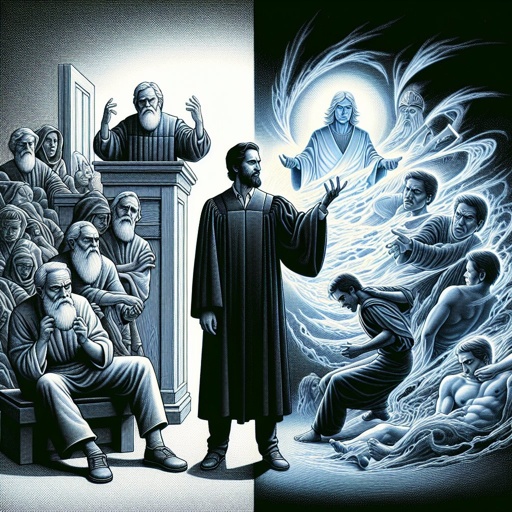
1 Samuel 2:25 - "If one man sin against another, the judge shall judge him: but if a man sin against the LORD, who shall intreat for him? Notwithstanding they hearkened not unto the voice of their father, because the LORD would slay them."
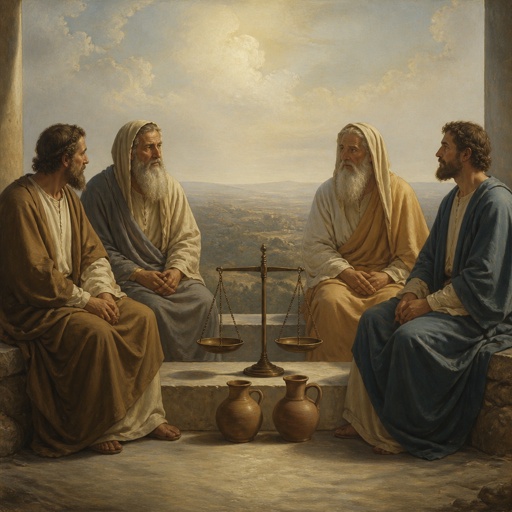
"Do ye not know that the saints shall judge the world? and if the world shall be judged by you, are ye unworthy to judge the smallest matters?" - 1 Corinthians 6:2

Matthew 7:1 - "Judge not, that ye be not judged."

Judges 4:4

Judges 3:31

Judges 2:13 - "And they forsook the LORD, and served Baal and Ashtaroth."

Judges 10:2 - "And he judged Israel twenty and three years, and died, and was buried in Shamir."

2 Timothy 4:1 - "I charge thee therefore before God, and the Lord Jesus Christ, who shall judge the quick and the dead at his appearing and his kingdom;"
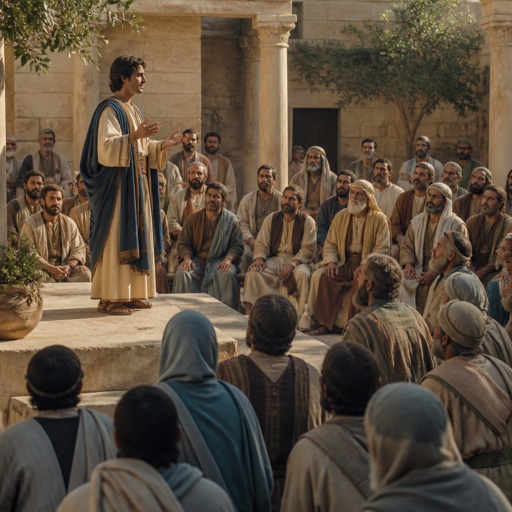
"Then Solomon spake unto all Israel, to the captains of thousands and of hundreds, and to the judges, and to every governor in all Israel, the chief of the fathers." - 2 Chronicles 1:2

2 Chronicles 1:10 - "Give me now wisdom and knowledge, that I may go out and come in before this people: for who can judge this thy people, that is so great?"

Judges 2:18 - "And when the LORD raised them up judges, then the LORD was with the judge, and delivered them out of the hand of their enemies all the days of the judge: for it repented the LORD because of their groanings by reason of them that oppressed them and vexed them."

James 2:4 - "Are ye not then partial in yourselves, and are become judges of evil thoughts?"

Judges 2:5 - "And they called the name of that place Bochim: and they sacrificed there unto the LORD."

"Judge not, that ye be not judged." - Matthew 7:1

1 Corinthians 11:31 - "For if we would judge ourselves, we should not be judged."

Judges 2:11 - "¶ And the children of Israel did evil in the sight of the LORD, and served Baalim:"

Judges 17:1 - "And there was a man of mount Ephraim, whose name was Micah."

Judges 2:17 - "And yet they would not hearken unto their judges, but they went a whoring after other gods, and bowed themselves unto them: they turned quickly out of the way which their fathers walked in, obeying the commandments of the LORD; but they did not so."

"Now the name of his firstborn was Joel; and the name of his second, Abiah: they were judges in Beer-sheba." - 1 Samuel 8:2

2 Chronicles 19:6 - "And said to the judges, Take heed what ye do: for ye judge not for man, but for the LORD, who is with you in the judgment."