What does Judges 18:29 mean?
"And they called the name of the city Dan, after the name of Dan their father, who was born unto Israel: howbeit the name of the city was Laish at the first." - Judges 18:29
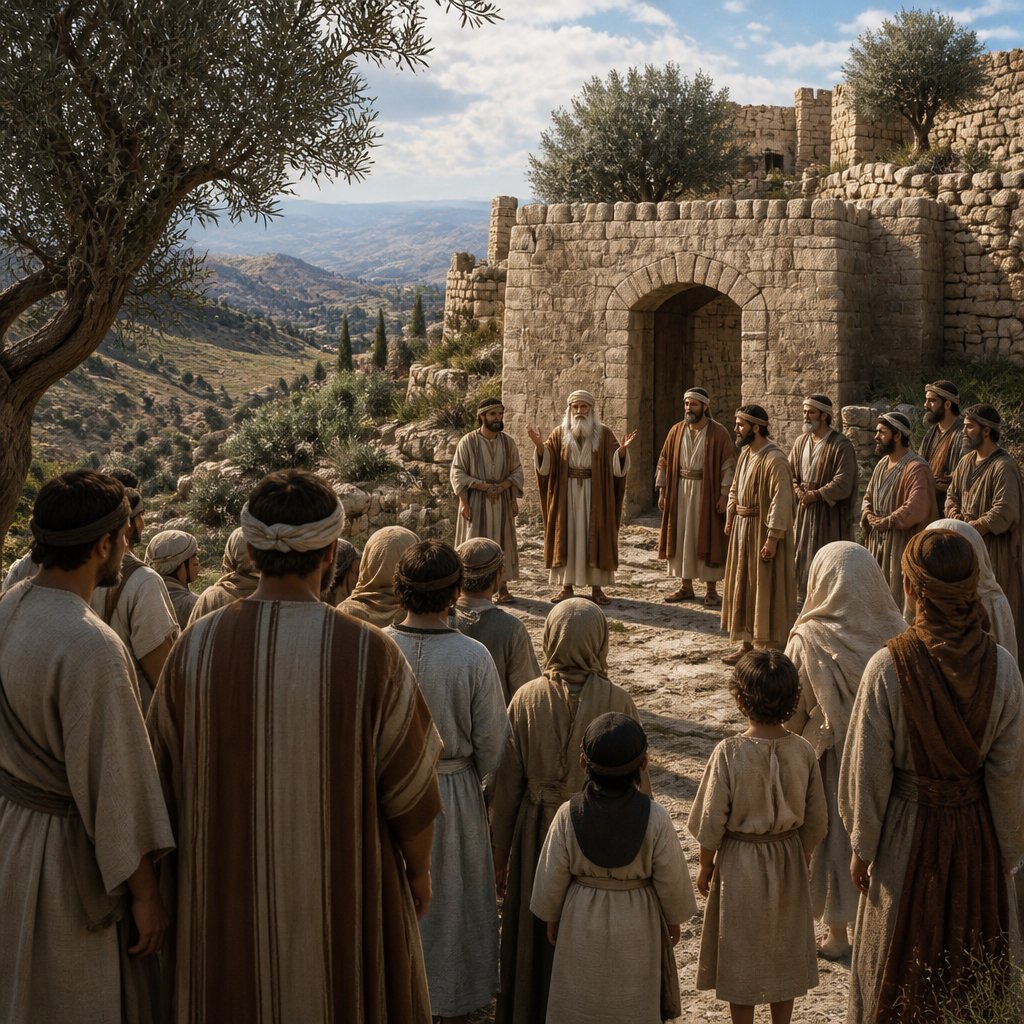
Judges 18:29 (KJV) says, "And they called the name of the city Dan, after the name of Dan their father, who was born unto Israel: howbeit the name of the city was Laish at the first."
This verse comes from the book of Judges in the Old Testament of the Bible. The book of Judges is a historical account of the Israelites after they had entered the Promised Land. It covers a period of time when the Israelites were ruled by a series of judges, or leaders, before the establishment of the monarchy.
In this particular verse, the context is the tribe of Dan's conquest of the city of Laish. The verse reflects the renaming of the city to Dan in honor of the tribe's ancestor, who was one of the sons of Jacob. This renaming is a symbolic act of claiming ownership and authority over the city by the tribe of Dan. It signifies the tribe's victory and the establishment of their presence in the land.
The theme of conquest and inheritance is prominent in this verse. Throughout the book of Judges, the Israelites are depicted as taking possession of the land that had been promised to them by God. The renaming of the city of Laish to Dan symbolizes the fulfillment of this promise and the tribe's rightful ownership of the territory.
Furthermore, the renaming of the city also carries a sense of identity and legacy. By naming the city after their ancestor Dan, the tribe is affirming their lineage and heritage. This act connects the present to the past and reinforces the tribe's sense of belonging and continuity within the larger narrative of Israel's history.
Symbolically, the act of renaming the city also represents a transformation. The city of Laish, with its original name, has now been given a new identity as Dan. This transformation reflects the tribe's influence and authority over the land, as well as their ability to shape and redefine their surroundings according to their own history and culture.
The verse can also be interpreted as a demonstration of power and autonomy. In the ancient world, renaming a city was a significant symbolic gesture that demonstrated a group's dominance and control. By renaming Laish to Dan, the tribe of Dan is asserting their sovereignty and supremacy over the city and the surrounding area.
In a broader theological context, this verse can be seen as a representation of God's faithfulness and fulfillment of His promises. Throughout the Bible, God repeatedly assures the Israelites that He will give them the land as an inheritance. The renaming of the city of Laish to Dan can be seen as a tangible manifestation of God's covenant with His people and His commitment to providing for them.
Overall, Judges 18:29 (KJV) is a verse with rich historical, cultural, and symbolic significance. It reflects the themes of conquest, inheritance, identity, and transformation within the context of Israelite history. The verse also carries theological implications concerning God's faithfulness and the fulfillment of His promises to His people. As such, it offers a thought-provoking insight into the ancient world and the enduring relevance of biblical narratives.
Have questions about Judges 18:29?
Dive deeper into this scripture with Bible Chat — an AI-powered tool for exploring God's Word through conversation. Ask questions, get context, and grow in your understanding of the Bible.
Get Our Apps


Judges 18:29 Artwork
Judges 18:29 - "And they called the name of the city Dan, after the name of Dan their father, who was born unto Israel: howbeit the name of the city was Laish at the first."
"And they called the name of the city Dan, after the name of Dan their father, who was born unto Israel: howbeit the name of the city was Laish at the first." - Judges 18:29

Judges 20:29 - "And Israel set liers in wait round about Gibeah."

Judges 8:29 - "And Jerubbaal the son of Joash went and dwelt in his own house."

Judges 5:29 - "Her wise ladies answered her, yea, she returned answer to herself,"

Isaiah 29:18

Genesis 18-29

Gideon's ephod in Judges 8:29 and peoplw worshipping him

1 Chronicles 26:29 - "¶ Of the Izharites, Chenaniah and his sons were for the outward business over Israel, for officers and judges."
Judges 1:29 - "¶ Neither did Ephraim drive out the Canaanites that dwelt in Gezer; but the Canaanites dwelt in Gezer among them."

Judges 3:29 - "And they slew of Moab at that time about ten thousand men, all lusty, and all men of valour; and there escaped not a man."

Judges 18:18 - "And these went into Micah's house, and fetched the carved image, the ephod, and the teraphim, and the molten image. Then said the priest unto them, What do ye?"

1 Corinthians 14:29 - "Let the prophets speak two or three, and let the other judge."

Judges 18:13 - "And they passed thence unto mount Ephraim, and came unto the house of Micah."
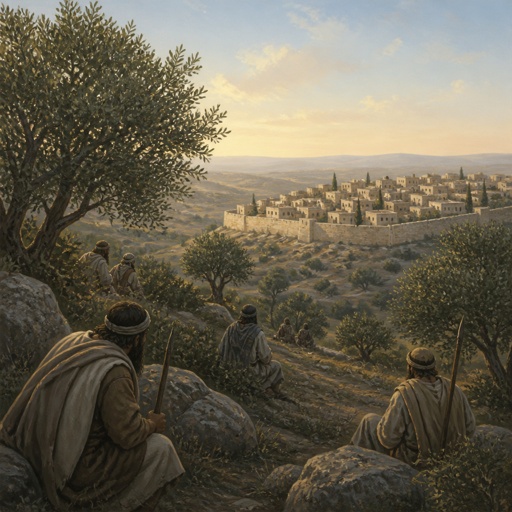
"And Israel set liers in wait round about Gibeah." - Judges 20:29

Judges 18: Micah’s Influence: A Spiritual Ripple Effect

Judges 6:29 - "And they said one to another, Who hath done this thing? And when they enquired and asked, they said, Gideon the son of Joash hath done this thing."

Judges 2:18 - "And when the LORD raised them up judges, then the LORD was with the judge, and delivered them out of the hand of their enemies all the days of the judge: for it repented the LORD because of their groanings by reason of them that oppressed them and vexed them."

Judges 18:21 - "So they turned and departed, and put the little ones and the cattle and the carriage before them."

Exodus 18:26 - "And they judged the people at all seasons: the hard causes they brought unto Moses, but every small matter they judged themselves."

Judges 5:18 - "Zebulun and Naphtali were a people that jeoparded their lives unto the death in the high places of the field."
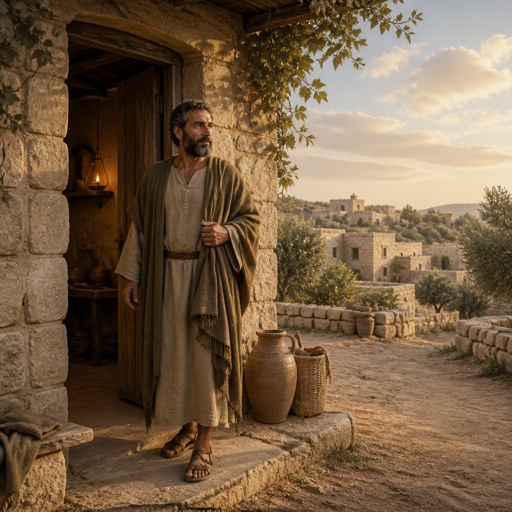
"And Jerubbaal the son of Joash went and dwelt in his own house." - Judges 8:29

Judges 9:29 - "And would to God this people were under my hand! then would I remove Abimelech. And he said to Abimelech, Increase thine army, and come out."

Judges 18:20 - "And the priest's heart was glad, and he took the ephod, and the teraphim, and the graven image, and went in the midst of the people."

Judges 18:8 - "And they came unto their brethren to Zorah and Eshtaol: and their brethren said unto them, What say ye?"

Judges 1:18 - "Also Judah took Gaza with the coast thereof, and Askelon with the coast thereof, and Ekron with the coast thereof."

Proverbs 29:18 - "Where there is no vision, the people perish: but he that keepeth the law, happy is he."

Judges 16:29 - "And Samson took hold of the two middle pillars upon which the house stood, and on which it was borne up, of the one with his right hand, and of the other with his left."

Judges 3:18 - "And when he had made an end to offer the present, he sent away the people that bare the present."

Judges 18:15 - "And they turned thitherward, and came to the house of the young man the Levite, even unto the house of Micah, and saluted him."