What does Judges 12:1 mean?
"And the men of Ephraim gathered themselves together, and went northward, and said unto Jephthah, Wherefore passedst thou over to fight against the children of Ammon, and didst not call us to go with thee? we will burn thine house upon thee with fire." - Judges 12:1
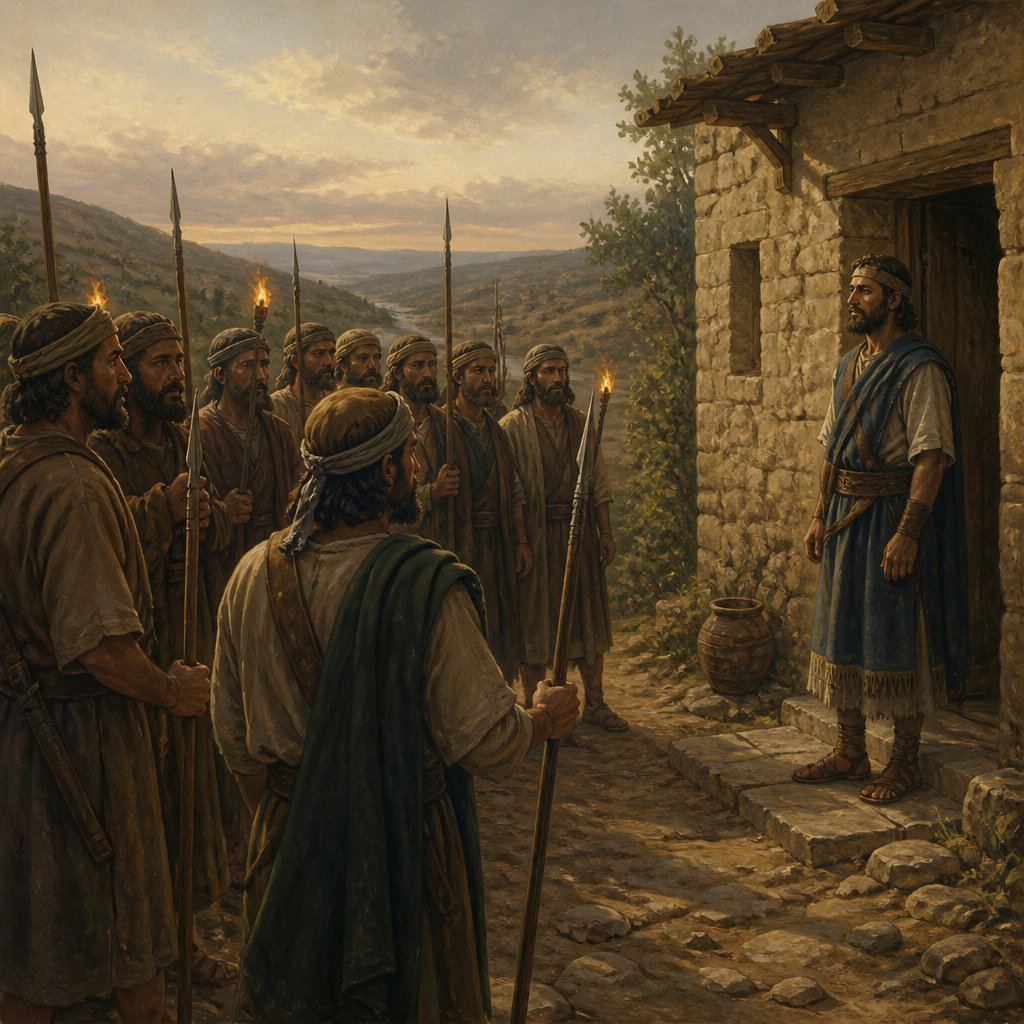
The verse Judges 12:1 from the King James Version (KJV) states, "And the men of Ephraim gathered themselves together, and went northward, and said unto Jephthah, Wherefore passedst thou over to fight against the children of Ammon, and didst not call us to go with thee? we will burn thine house upon thee with fire."
This verse is part of the Book of Judges in the Old Testament, which is a historical and theological account of the Israelite tribes before the establishment of the monarchy. This particular verse is a part of a larger narrative that tells the story of Jephthah, a judge of Israel, who leads the Israelites in battle against the Ammonites.
The verse begins with "And the men of Ephraim gathered themselves together," indicating that the men of Ephraim, one of the twelve tribes of Israel, were organizing and preparing for a conflict. This sets the stage for the confrontation with Jephthah. The men of Ephraim are upset that Jephthah did not seek their assistance in fighting against the Ammonites. They confront Jephthah and threaten to burn down his house as a punishment for his failure to involve them in the battle.
This verse reflects the themes of pride, jealousy, and conflict within the community of Israel. The men of Ephraim were proud of their status as a powerful tribe and were jealous that Jephthah did not seek their help. Their reaction is heated and threatening, demonstrating the potential for conflict and division within the community of Israel.
In terms of context, this verse occurs within the larger narrative of the Book of Judges, which depicts a period of instability and conflict among the Israelites before the establishment of the monarchy. Throughout the book, the Israelites repeatedly fall into idolatry and disobedience, leading to periods of oppression and conflict with other nations. The story of Jephthah is one of the many examples of the Israelites' internal strife and external threats.
Symbolically, this verse can be interpreted as a warning against pride and jealousy within the community. The men of Ephraim's reaction represents the dangers of allowing pride to fuel division and conflict within a community. It also serves as a reminder of the importance of unity and cooperation in facing external threats.
From a theological perspective, this verse can be seen as a reflection of the Israelites' flawed human nature and the consequences of their disobedience to God. Throughout the Book of Judges, the cycle of idolatry, oppression, repentance, and deliverance repeats itself, illustrating the Israelites' constant struggle to remain faithful to God and follow his laws. The confrontation between Jephthah and the men of Ephraim is another example of the Israelites' failure to live in harmony and cooperation, ultimately leading to conflict and division.
In conclusion, Judges 12:1 from the King James Version presents a powerful depiction of pride, jealousy, and conflict within the community of Israel. It serves as a cautionary tale about the dangers of allowing these negative emotions to fuel division and threaten unity. In a broader theological context, this verse reflects the Israelites' ongoing struggle to remain faithful to God and live in harmony with one another.
Have questions about Judges 12:1?
Dive deeper into this scripture with Bible Chat — an AI-powered tool for exploring God's Word through conversation. Ask questions, get context, and grow in your understanding of the Bible.
Get Our Apps


Judges 12:1 Artwork

Judges 12:1 - "And the men of Ephraim gathered themselves together, and went northward, and said unto Jephthah, Wherefore passedst thou over to fight against the children of Ammon, and didst not call us to go with thee? we will burn thine house upon thee with fire."
"And the men of Ephraim gathered themselves together, and went northward, and said unto Jephthah, Wherefore passedst thou over to fight against the children of Ammon, and didst not call us to go with thee? we will burn thine house upon thee with fire." - Judges 12:1

1 Corinthians 5:12 - "For what have I to do to judge them also that are without? do not ye judge them that are within?"
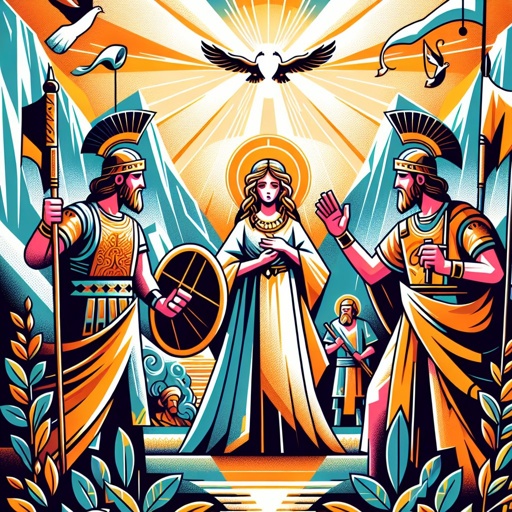
Judges 1:12 - "And Caleb said, He that smiteth Kirjath-sepher, and taketh it, to him will I give Achsah my daughter to wife."

Judges 12:12 - "And Elon the Zebulonite died, and was buried in Aijalon in the country of Zebulun."

Judges 12:11 - "¶ And after him Elon, a Zebulonite, judged Israel; and he judged Israel ten years."

1 Samuel 24:12 - "The LORD judge between me and thee, and the LORD avenge me of thee: but mine hand shall not be upon thee."

Judges 12:8 - "¶ And after him Ibzan of Beth-lehem judged Israel."

Judges 12:10 - "Then died Ibzan, and was buried at Beth-lehem."

Judges 12:13 - "¶ And after him Abdon the son of Hillel, a Pirathonite, judged Israel."
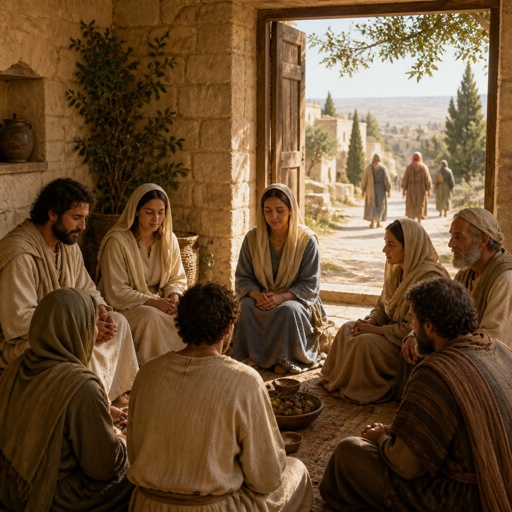
"For what have I to do to judge them also that are without? do not ye judge them that are within?" - 1 Corinthians 5:12

"And Elon the Zebulonite died, and was buried in Aijalon in the country of Zebulun." - Judges 12:12

Job 12:17 - "He leadeth counsellors away spoiled, and maketh the judges fools."

Judges 12:7 - "And Jephthah judged Israel six years. Then died Jephthah the Gileadite, and was buried in one of the cities of Gilead."

Judges 4:12 - "And they shewed Sisera that Barak the son of Abinoam was gone up to mount Tabor."

Judges 9:12 - "Then said the trees unto the vine, Come thou, and reign over us."

Judges 17:12 - "And Micah consecrated the Levite; and the young man became his priest, and was in the house of Micah."

John 12:47 - "And if any man hear my words, and believe not, I judge him not: for I came not to judge the world, but to save the world."

Judges 12:15 - "And Abdon the son of Hillel the Pirathonite died, and was buried in Pirathon in the land of Ephraim, in the mount of the Amalekites."

Judges 12:14 - "And he had forty sons and thirty nephews, that rode on threescore and ten ass colts: and he judged Israel eight years."
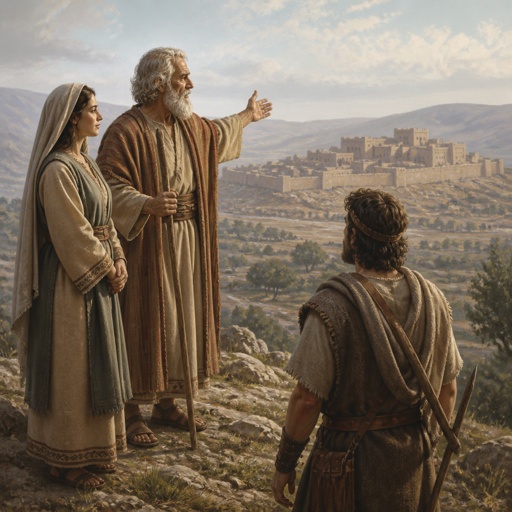
"And Caleb said, He that smiteth Kirjath-sepher, and taketh it, to him will I give Achsah my daughter to wife." - Judges 1:12

"¶ And after him Ibzan of Beth-lehem judged Israel." - Judges 12:8

"Then died Ibzan, and was buried at Beth-lehem." - Judges 12:10

"¶ And after him Elon, a Zebulonite, judged Israel; and he judged Israel ten years." - Judges 12:11

"¶ And after him Abdon the son of Hillel, a Pirathonite, judged Israel." - Judges 12:13

Matthew 7:1 - "Judge not, that ye be not judged."

Judges 6:12 - "And the angel of the LORD appeared unto him, and said unto him, The LORD is with thee, thou mighty man of valour."

Judges 20:12 - "¶ And the tribes of Israel sent men through all the tribe of Benjamin, saying, What wickedness is this that is done among you?"

Judges 2:31

Judges 4:4