What does Judges 10:7 mean?
"And the anger of the LORD was hot against Israel, and he sold them into the hands of the Philistines, and into the hands of the children of Ammon." - Judges 10:7
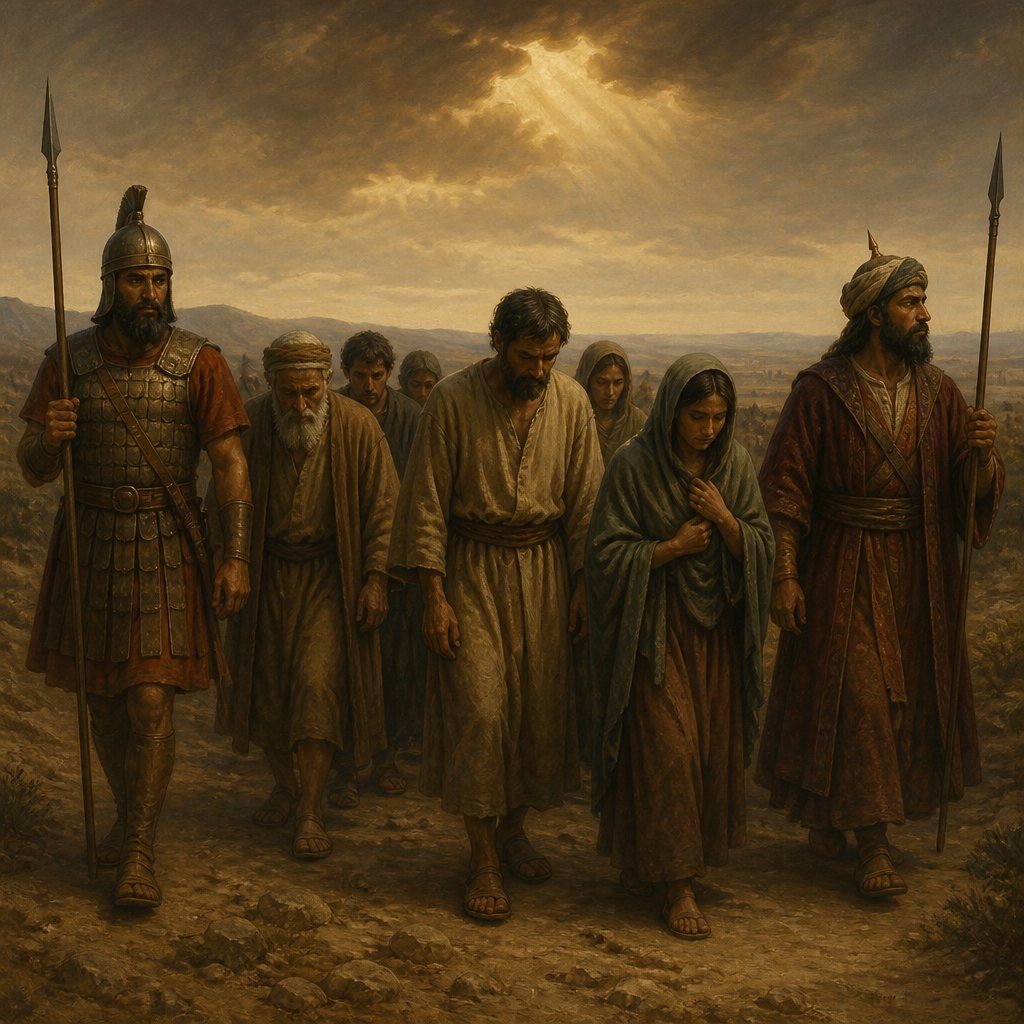
The Bible verse Judges 10:7 in the King James Version (KJV) states, "And the anger of the Lord was hot against Israel, and he sold them into the hands of the Philistines, and into the hands of the children of Ammon." This verse comes from the Old Testament book of Judges, which chronicles the history of Israel during the time between Joshua and the establishment of a king in Israel.
In order to fully understand the meaning and context of this verse, it is important to first examine the historical and cultural background of the Israelites at the time. During the period of the Judges, the Israelites continuously turned away from God and towards the worship of idols and false gods. This disobedience and lack of faithfulness ultimately led to a breakdown in their relationship with God, and as a consequence, they suffered from foreign oppression and military defeat.
In the verses leading up to Judges 10:7, the Israelites had once again turned away from God and followed the Baalim and the Ashtaroth, false gods of the Canaanites. As a result of their unfaithfulness, God's anger was kindled against them, and He allowed them to be oppressed by the Philistines and the Ammonites. The Philistines were a powerful and warlike people who occupied the coastal region of Canaan, while the Ammonites were a tribal group that lived east of the Jordan River. By allowing these foreign nations to oppress the Israelites, God was punishing them for their sins and lack of faithfulness.
The verse in question, Judges 10:7, serves as a vivid reminder of the consequences of disobedience and the importance of remaining faithful to God. It highlights the cyclical nature of the Israelites' relationship with God, displaying how they would repeatedly fall into sin and idolatry, leading to their oppression and suffering.
The theme of divine punishment and redemption is prevalent throughout the book of Judges, and it is exemplified in this verse. The Israelites' suffering at the hands of the Philistines and the Ammonites serves as a direct result of their departure from God, demonstrating the principle of reaping what one sows. However, the book also outlines how, despite the consequences of their disobedience, the Lord remains faithful to His people and eventually raises up deliverers to rescue them from their oppressors.
From a symbolic perspective, this verse serves as a powerful illustration of the spiritual warfare that exists between God and the forces of evil. The Israelites' defeat at the hands of the Philistines and Ammonites represents the struggles and battles that believers face in their own lives when they turn away from God. The Philistines and Ammonites can be seen as representations of the spiritual forces of darkness that seek to oppress and destroy, while the Israelites' suffering serves as a metaphor for the consequences of sin and unfaithfulness.
Ultimately, Judges 10:7 serves as a sobering reminder of the importance of remaining steadfast in faith and avoiding the pitfalls of idolatry and disobedience. It conveys the message that God will always hold His people accountable for their actions and that adherence to His commandments and faithfulness to His covenant are essential in maintaining a healthy and prosperous relationship with Him. This verse also provides an opportunity for believers to reflect on their own spiritual journey and consider the consequences of their choices and actions.
In conclusion, Judges 10:7 in the King James Version of the Bible carries significant meaning and relevance for believers today. It serves as a poignant reminder of the consequences of disobedience and unfaithfulness, as well as the importance of remaining steadfast in faith and obedience to God. It also provides a powerful illustration of the spiritual warfare that exists between God and the forces of evil. Through an understanding of the historical context, themes, and symbolism of this verse, believers can gain valuable insights into the timeless truths and lessons contained within the Word of God.
Have questions about Judges 10:7?
Dive deeper into this scripture with Bible Chat — an AI-powered tool for exploring God's Word through conversation. Ask questions, get context, and grow in your understanding of the Bible.
Get Our Apps


Judges 10:7 Artwork

Judges 10:7 - "And the anger of the LORD was hot against Israel, and he sold them into the hands of the Philistines, and into the hands of the children of Ammon."
"And the anger of the LORD was hot against Israel, and he sold them into the hands of the Philistines, and into the hands of the children of Ammon." - Judges 10:7

Judges 7:10 - "But if thou fear to go down, go thou with Phurah thy servant down to the host:"
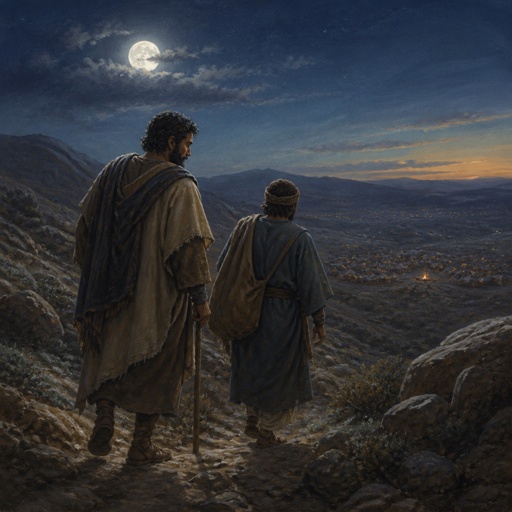
"But if thou fear to go down, go thou with Phurah thy servant down to the host:" - Judges 7:10

Judges 5:7

Matthew 7:1 - "Judge not, that ye be not judged."

Judges 10:5 - "And Jair died, and was buried in Camon."

John 7:24 - "Judge not according to the appearance, but judge righteous judgment."

Judges 12:10 - "Then died Ibzan, and was buried at Beth-lehem."

Matthew 7:1-2 - "Do not judge, or you too will be judged. For in the same way you judge others, you will be judged, and with the measure you use, it will be measured to you."

"Judge not, that ye be not judged." - Matthew 7:1

Judges 10:2 - "And he judged Israel twenty and three years, and died, and was buried in Shamir."

Judges 10:3 - "¶ And after him arose Jair, a Gileadite, and judged Israel twenty and two years."

Hosea 7:7 - "They are all hot as an oven, and have devoured their judges; all their kings are fallen: there is none among them that calleth unto me."

Judges 12:7 - "And Jephthah judged Israel six years. Then died Jephthah the Gileadite, and was buried in one of the cities of Gilead."

Judges 9:10 - "And the trees said to the fig tree, Come thou, and reign over us."

Judges 14:7 - "And he went down, and talked with the woman; and she pleased Samson well."

Psalms 2:10 - "Be wise now therefore, O ye kings: be instructed, ye judges of the earth."

"And Jair died, and was buried in Camon." - Judges 10:5

Judges 5:10 - "Speak, ye that ride on white asses, ye that sit in judgment, and walk by the way."

Judges 20:7 - "Behold, ye are all children of Israel; give here your advice and counsel."
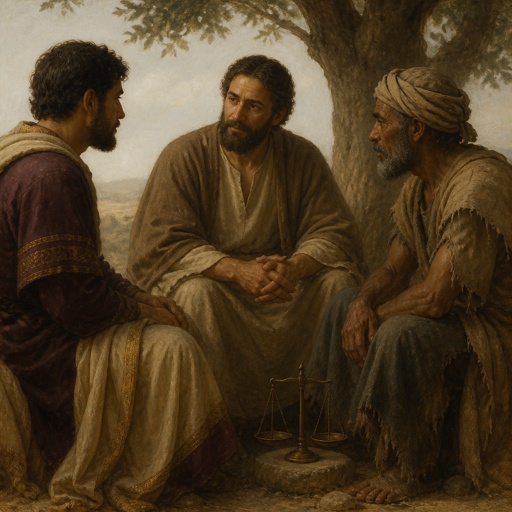
"Judge not according to the appearance, but judge righteous judgment." - John 7:24

Judges 6:7 - "¶ And it came to pass, when the children of Israel cried unto the LORD because of the Midianites,"

Judges 10:10 - "¶ And the children of Israel cried unto the LORD, saying, We have sinned against thee, both because we have forsaken our God, and also served Baalim."

Matthew 7:2 - "For with what judgment ye judge, ye shall be judged: and with what measure ye mete, it shall be measured to you again."

Psalms 7:8 - "The LORD shall judge the people: judge me, O LORD, according to my righteousness, and according to mine integrity that is in me."

"Then died Ibzan, and was buried at Beth-lehem." - Judges 12:10

Judges 17:7 - "¶ And there was a young man out of Beth-lehem-judah of the family of Judah, who was a Levite, and he sojourned there."

Judges 3:7 - "And the children of Israel did evil in the sight of the LORD, and forgat the LORD their God, and served Baalim and the groves."

Judges 10:13 - "Yet ye have forsaken me, and served other gods: wherefore I will deliver you no more."