What does Joshua 19:37 mean?
"And Kedesh, and Edrei, and En-hazor," - Joshua 19:37
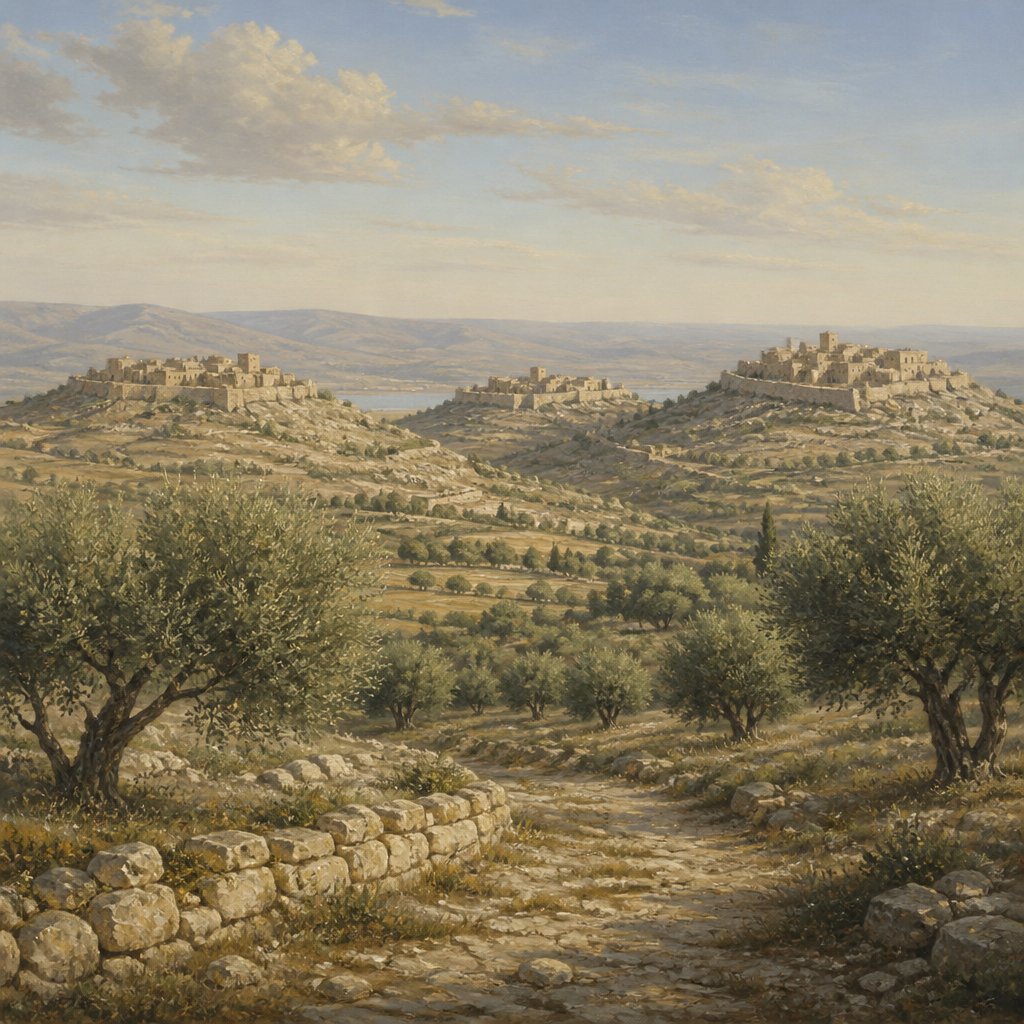
Joshua 19:37 (KJV) – "And Kedesh, and Edrei, and En-hazor."
The book of Joshua in the Old Testament of the Bible is an account of the Israelites' conquest and settlement of the Promised Land under the leadership of Joshua, following the death of Moses. In this verse, we see the division of the land of Canaan among the tribes of Israel. Specifically, these three cities – Kedesh, Edrei, and En-hazor – were allotted to the tribe of Naphtali.
The significance of these cities lies not only in their apportionment to the tribe of Naphtali, but also in their historical and spiritual symbolism. Kedesh, Edrei, and En-hazor provide valuable insight into the themes of redemption, victory, and intricacies of God's divine plan.
Kedesh, the first city mentioned in the verse, was a city of refuge for those who accidentally killed someone, as noted in the book of Joshua (Joshua 20:7). These cities of refuge were scattered throughout the land of Israel and offered asylum and protection to individuals who had unintentionally caused harm to others. Kedesh, therefore, serves as a symbol of redemption and the mercy of God. It reminds us of the grace and forgiveness that are available to those who seek refuge in Him.
The second city mentioned, Edrei, holds symbolic significance as the place where the Israelites achieved a significant victory under the leadership of Moses. In the book of Numbers, Edrei is noted as the location where the Israelites defeated Og, the king of Bashan, and took possession of his land (Numbers 21:33-35). This victory at Edrei represents the triumph of God's people over their enemies and the fulfillment of God's promises. It serves as a reminder of the faithfulness of God in granting success to those who trust in Him.
The third city, En-hazor, is a lesser-known city, but its presence in the verse speaks to the meticulousness of God's plan for His people. The name "En-hazor" means "fountain of the village" in Hebrew, and water sources in biblical times were symbols of life and sustenance. En-hazor likely represents the provision and sustenance that God provides for His people as they inhabit and cultivate the land He has given them.
In the broader context of the book of Joshua, these cities represent the culmination of the Israelites' journey to possess the Promised Land. They symbolize the fulfillment of God's covenant with His people and the establishment of their inheritance in the land flowing with milk and honey. As such, the verse serves as a testament to God's faithfulness in fulfilling His promises and providing for His people.
From a theological perspective, the verse also reflects the idea of typology, where historical events and places in the Old Testament point forward to spiritual truths and realities in the New Testament. Kedesh, Edrei, and En-hazor serve as types or symbols of the refuge, victory, and sustenance that believers find in Christ. They point to the redemption, triumph, and provision that God offers His people through His Son, Jesus Christ.
In conclusion, Joshua 19:37 offers a profound reflection on the themes of redemption, victory, and God's divine plan. It reminds believers of the grace, triumph, and sustenance that God provides for His people. The verse also invites us to consider the broader theological significance of these cities as types that ultimately find their fulfillment in Christ. As we meditate on this passage, may we be encouraged by the unwavering faithfulness of God in fulfilling His promises and providing for His people.
Have questions about Joshua 19:37?
Dive deeper into this scripture with Bible Chat — an AI-powered tool for exploring God's Word through conversation. Ask questions, get context, and grow in your understanding of the Bible.
Get Our Apps


Joshua 19:37 Artwork

Joshua 19:37 - "And Kedesh, and Edrei, and En-hazor,"

"And Kedesh, and Edrei, and En-hazor," - Joshua 19:37

Joshua 15:37 - "Zenan, and Hadashah, and Migdal-gad,"

Joshua 21:37 - "Kedemoth with her suburbs, and Mephaath with her suburbs; four cities."

Joshua 19:19 - "And Haphraim, and Shion, and Anaharath,"

Genesis 19-37

"Zenan, and Hadashah, and Migdal-gad," - Joshua 15:37

"And Haphraim, and Shion, and Anaharath," - Joshua 19:19

Genesis 37:19 - "And they said one to another, Behold, this dreamer cometh."

Joshua 19:4 - "And Eltolad, and Bethul, and Hormah,"

Joshua 19:42 - "And Shaalabbin, and Ajalon, and Jethlah,"

Joshua 19:44 - "And Eltekeh, and Gibbethon, and Baalath,"

Joshua 19:43 - "And Elon, and Thimnathah, and Ekron,"

Joshua 19:36 - "And Adamah, and Ramah, and Hazor,"

Joshua 19:20 - "And Rabbith, and Kishion, and Abez,"

Joshua 19:3 - "And Hazar-shual, and Balah, and Azem,"

Joshua 19:5 - "And Ziklag, and Beth-marcaboth, and Hazar-susah,"

Psalms 37:19 - "They shall not be ashamed in the evil time: and in the days of famine they shall be satisfied."

Joshua 19:45 - "And Jehud, and Bene-berak, and Gath-rimmon,"

Joshua 19:25 - "And their border was Helkath, and Hali, and Beten, and Achshaph,"

Joshua 19:18 - "And their border was toward Jezreel, and Chesulloth, and Shunem,"

John 19:37 - "And again another scripture saith, They shall look on him whom they pierced."
"Kedemoth with her suburbs, and Mephaath with her suburbs; four cities." - Joshua 21:37

Joshua 19:49 - "¶ When they had made an end of dividing the land for inheritance by their coasts, the children of Israel gave an inheritance to Joshua the son of Nun among them:"

Joshua 19:41 - "And the coast of their inheritance was Zorah, and Eshtaol, and Ir-shemesh,"

Joshua 19:2 - "And they had in their inheritance Beer-sheba, or Sheba, and Moladah,"

Joshua 12:19 - "The king of Madon, one; the king of Hazor, one;"

Joshua 19:46 - "And Me-jarkon, and Rakkon, with the border before Japho."

Joshua 19:6 - "And Beth-lebaoth, and Sharuhen; thirteen cities and their villages:"

Joshua 13:19 - "And Kirjathaim, and Sibmah, and Zareth-shahar in the mount of the valley,"