What does Joshua 19:3 mean?
"And Hazar-shual, and Balah, and Azem," - Joshua 19:3
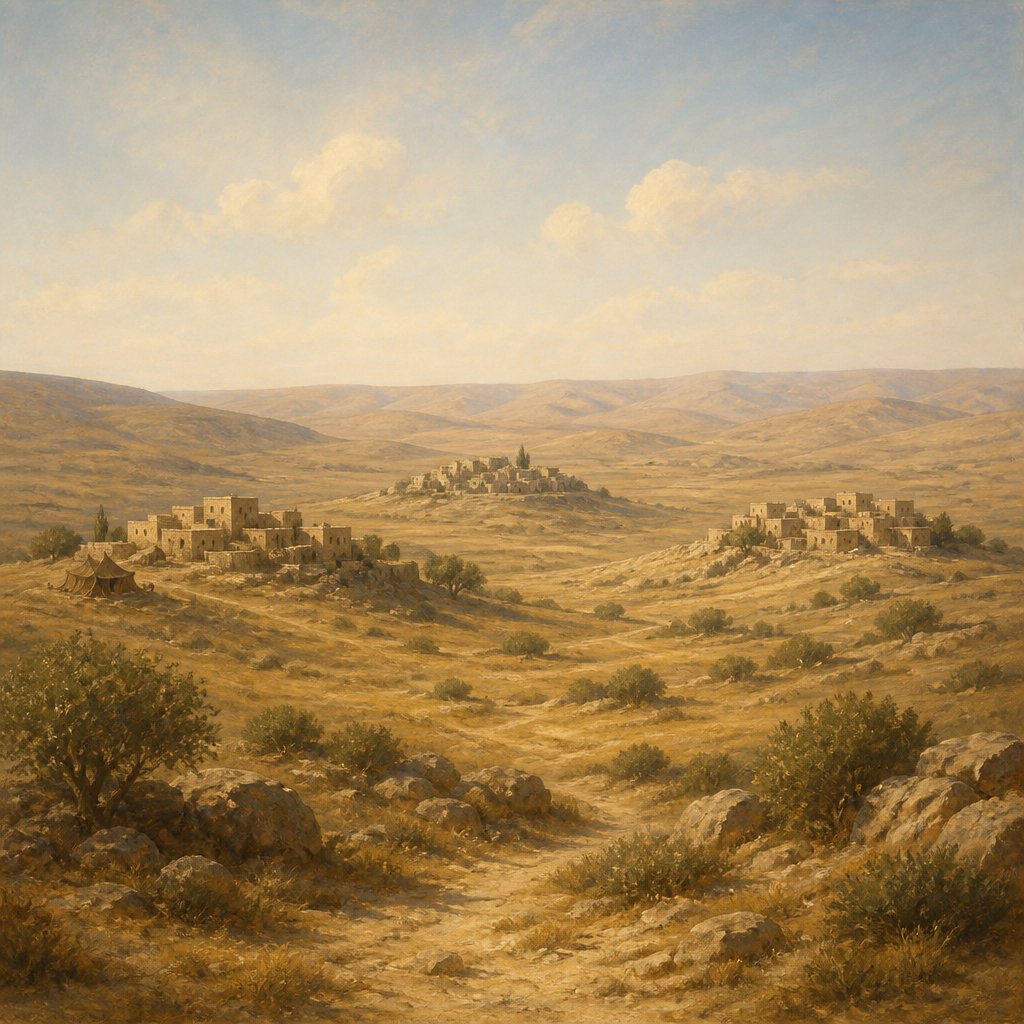
Joshua 19:3 (KJV): "And Hazarath, and Shual, and Balah, and Azem,"
This verse is found in the book of Joshua, which is the sixth book of the Old Testament. The book of Joshua is named after its central character, Joshua, who succeeded Moses as the leader of the Israelites. The verse is part of a larger passage that describes the territory allotted to the tribe of Zebulun. The book of Joshua is a historical account of the Israelites' conquest and settlement of the Promised Land, and this particular verse relates to the division of the land among the tribes of Israel.
In this verse, the names of four cities are listed: Hazarath, Shual, Balah, and Azem. These names are significant within the context of the Israelites' occupation of the land. The allocation of specific cities and territories to the tribes of Israel was a fulfillment of God's promise to give them the land of Canaan as their inheritance.
The division of the land among the tribes as described in the book of Joshua also carries spiritual significance. It symbolizes the fulfillment of God's covenant with the Israelites and the realization of His promises to them. This division also emphasizes the idea of inheritance and ownership, as the land was intended to be a permanent possession for the Israelites and their descendants.
The names of the cities mentioned in this verse also have symbolic meanings. Hazarath means "village of enclosure," which could represent the safety and security of the land given to the tribe of Zebulun by God. Shual means "jackal," which may symbolize vigilance and alertness in guarding the territory. Balah means "failure" or "wasting," suggesting the consequence of disobedience or neglect of the inheritance. Azem means "strength" or "firmness," perhaps signifying the stability and steadfastness of the territory allotted to the tribe.
On a deeper level, this verse can also be interpreted as a representation of the spiritual inheritance that Christians receive through Christ. In the New Testament, believers are described as heirs of God and co-heirs with Christ (Romans 8:17). This spiritual inheritance includes blessings, promises, and the indwelling of the Holy Spirit. Just as the Israelites received a physical inheritance in the form of land, Christians inherit the spiritual blessings and promises of God through faith in Jesus Christ.
The allocation of land and cities to the tribes of Israel in the book of Joshua also reflects the theme of God's faithfulness and fulfillment of His promises. Throughout the Old Testament, God repeatedly assured the Israelites that He would give them the land of Canaan. The division of the land in the book of Joshua demonstrates God's faithfulness to His word and His commitment to His chosen people.
In conclusion, Joshua 19:3 is a verse that may seem simple on the surface, but it carries significant themes of inheritance, promises fulfilled, and God's faithfulness. The allocation of specific cities and territories to the tribes of Israel has both historical and spiritual significance, emphasizing the idea of ownership, security, and the realization of God's covenant promises. This verse also serves as a reminder of the spiritual inheritance that believers receive through Jesus Christ and the faithfulness of God in fulfilling His promises to His people.
Have questions about Joshua 19:3?
Dive deeper into this scripture with Bible Chat — an AI-powered tool for exploring God's Word through conversation. Ask questions, get context, and grow in your understanding of the Bible.
Get Our Apps


Joshua 19:3 Artwork

Joshua 19:3 - "And Hazar-shual, and Balah, and Azem,"
"And Hazar-shual, and Balah, and Azem," - Joshua 19:3

Joshua 19:19 - "And Haphraim, and Shion, and Anaharath,"

"And Haphraim, and Shion, and Anaharath," - Joshua 19:19

Joshua 19:4 - "And Eltolad, and Bethul, and Hormah,"

Joshua 19:42 - "And Shaalabbin, and Ajalon, and Jethlah,"

Joshua 19:44 - "And Eltekeh, and Gibbethon, and Baalath,"

Joshua 19:43 - "And Elon, and Thimnathah, and Ekron,"

Joshua 19:36 - "And Adamah, and Ramah, and Hazor,"

Joshua 19:20 - "And Rabbith, and Kishion, and Abez,"

Joshua 19:37 - "And Kedesh, and Edrei, and En-hazor,"

Joshua 19:5 - "And Ziklag, and Beth-marcaboth, and Hazar-susah,"

Joshua 19:45 - "And Jehud, and Bene-berak, and Gath-rimmon,"

Joshua 19:25 - "And their border was Helkath, and Hali, and Beten, and Achshaph,"

Joshua 19:18 - "And their border was toward Jezreel, and Chesulloth, and Shunem,"

Joshua 19:49 - "¶ When they had made an end of dividing the land for inheritance by their coasts, the children of Israel gave an inheritance to Joshua the son of Nun among them:"

Joshua 19:41 - "And the coast of their inheritance was Zorah, and Eshtaol, and Ir-shemesh,"

Joshua 19:2 - "And they had in their inheritance Beer-sheba, or Sheba, and Moladah,"

Joshua 19:46 - "And Me-jarkon, and Rakkon, with the border before Japho."

Joshua 12:19 - "The king of Madon, one; the king of Hazor, one;"

Joshua 5:3 - "And Joshua made him sharp knives, and circumcised the children of Israel at the hill of the foreskins."

Joshua 19:6 - "And Beth-lebaoth, and Sharuhen; thirteen cities and their villages:"

Joshua 13:19 - "And Kirjathaim, and Sibmah, and Zareth-shahar in the mount of the valley,"

Joshua 19:35 - "And the fenced cities are Ziddim, Zer, and Hammath, Rakkath, and Chinnereth,"

Joshua 9:3 - "¶ And when the inhabitants of Gibeon heard what Joshua had done unto Jericho and to Ai,"

Joshua 19:16 - "This is the inheritance of the children of Zebulun according to their families, these cities with their villages."

Joshua 19:7 - "Ain, Remmon, and Ether, and Ashan; four cities and their villages:"

Joshua 19:21 - "And Remeth, and En-gannim, and En-haddah, and Beth-pazzez;"

"And Shaalabbin, and Ajalon, and Jethlah," - Joshua 19:42

"And Eltolad, and Bethul, and Hormah," - Joshua 19:4