What does Joshua 15:15 mean?
"And he went up thence to the inhabitants of Debir: and the name of Debir before was Kirjath-sepher." - Joshua 15:15
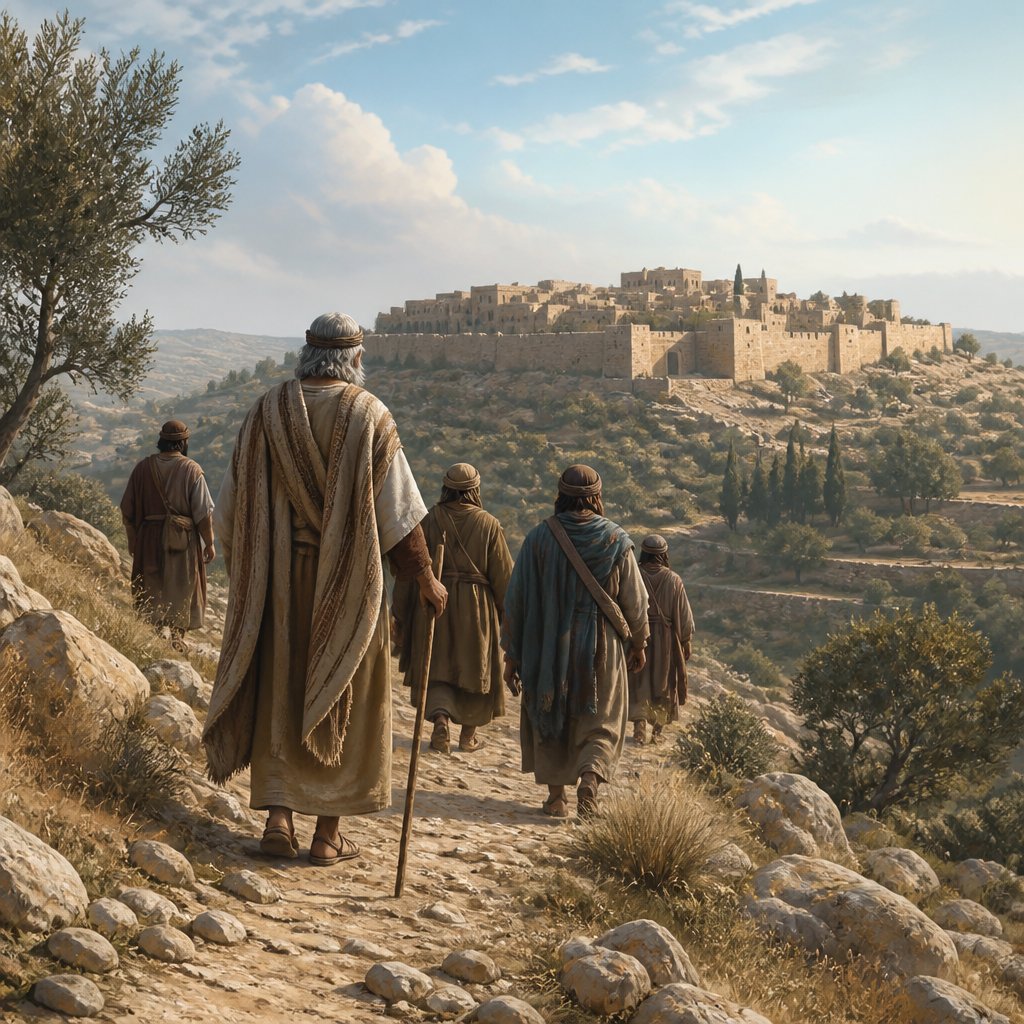
Joshua 15:15 (KJV) states, "And he went up thence to the inhabitants of Debir: and the name of Debir before was Kirjathsepher."
In order to truly understand the meaning and significance of this verse, it is important to provide some context. The book of Joshua is the sixth book of the Bible and follows the Israelites as they enter and conquer the Promised Land under the leadership of Joshua. This particular verse comes from a passage that lists the borders of the land that was allotted to the tribe of Judah.
The verse refers to the city of Debir, which was previously known as Kirjathsepher. This name change could hold some significance, as the meaning of names was often important in biblical times. In fact, in many cases, a change of name denoted a change in character or purpose. It is worth noting that the name Debir means "holy place" or "oracle," whereas the name Kirjathsepher means "city of books." This change of name could symbolize a shift from worldly knowledge and learning to a place of spiritual significance and divine communication.
One theme that can be drawn from this verse is the idea of transformation and renewal. The renaming of Debir could represent a transformation from a place of secular knowledge and worldly pursuits to a sacred and holy place dedicated to seeking and receiving divine wisdom. This theme of transformation is integral to the broader narrative of the Israelites' conquest of the Promised Land. The land itself represents a new beginning for God's people, a fresh start and a chance to leave behind their old lives of slavery and wandering in the wilderness.
Another theme that can be gleaned from this verse is that of divine guidance and purpose. The renaming of Debir could be seen as a symbolic indication of God's presence and direction in the lives of His people. The city's new name, meaning "holy place" or "oracle," suggests a place where the Israelites could seek and receive guidance from God. This theme of divine guidance is central to the book of Joshua, as it is God who leads the Israelites into battle and gives them victory over their enemies. It serves as a reminder to the reader that God is always present and active in the lives of His people, guiding them towards their purpose and destiny.
Symbolically, the renaming of Debir from Kirjathsepher also speaks to the transformative power of faith and the Word of God. The name change signifies a shift from secular knowledge and learning to a place of spiritual significance and divine communication. This serves as a reminder that true wisdom and understanding can only be found through faith in God and His teachings. It underscores the importance of seeking spiritual truth and wisdom over worldly knowledge and pursuits.
In conclusion, Joshua 15:15 (KJV) holds a deeper significance beyond its surface meaning. It speaks to themes of transformation, divine guidance, and the transformative power of faith and the Word of God. The renaming of Debir from Kirjathsepher serves as a reminder of the importance of seeking spiritual truth and wisdom and the transformative power of faith. This verse serves as a small but significant piece in the broader narrative of the Israelites' conquest of the Promised Land and their journey towards fulfilling their divine purpose.
Have questions about Joshua 15:15?
Dive deeper into this scripture with Bible Chat — an AI-powered tool for exploring God's Word through conversation. Ask questions, get context, and grow in your understanding of the Bible.
Get Our Apps


Joshua 15:15 Artwork

Joshua 15:15 - "And he went up thence to the inhabitants of Debir: and the name of Debir before was Kirjath-sepher."
"And he went up thence to the inhabitants of Debir: and the name of Debir before was Kirjath-sepher." - Joshua 15:15

Joshua 4:15 - "And the LORD spake unto Joshua, saying,"

Joshua 24:15

Joshua 24:15

Joshua 24:15

Joshua 10:15 - "¶ And Joshua returned, and all Israel with him, unto the camp to Gilgal."

Joshua 15:29 - "Baalah, and Iim, and Azem,"

Joshua 15:42 - "Libnah, and Ether, and Ashan,"

Joshua 15:50 - "And Anab, and Eshtemoh, and Anim,"

Joshua 15:30 - "And Eltolad, and Chesil, and Hormah,"

Joshua 15:40 - "And Cabbon, and Lahmam, and Kithlish,"

Joshua 15:23 - "And Kedesh, and Hazor, and Ithnan,"

Joshua 15:22 - "And Kinah, and Dimonah, and Adadah,"

Joshua 15:39 - "Lachish, and Bozkath, and Eglon,"

Joshua 15:31 - "And Ziklag, and Madmannah, and Sansannah,"

Joshua 15:43 - "And Jiphtah, and Ashnah, and Nezib,"

Joshua 15:26 - "Amam, and Shema, and Moladah,"

Joshua 15:38 - "And Dilean, and Mizpeh, and Joktheel,"

Joshua 15:24 - "Ziph, and Telem, and Bealoth,"

Joshua 15:56 - "And Jezreel, and Jokdeam, and Zanoah,"

Joshua 15:52 - "Arab, and Dumah, and Eshean,"

Joshua 8:15 - "And Joshua and all Israel made as if they were beaten before them, and fled by the way of the wilderness."

Joshua 15:58 - "Halhul, Beth-zur, and Gedor,"

Joshua 15:53 - "And Janum, and Beth-tappuah, and Aphekah,"

Joshua 15:37 - "Zenan, and Hadashah, and Migdal-gad,"

Joshua 15:35 - "Jarmuth, and Adullam, Socoh, and Azekah,"

Joshua 15:33 - "And in the valley, Eshtaol, and Zoreah, and Ashnah,"

Joshua 15:48 - "¶ And in the mountains, Shamir, and Jattir, and Socoh,"

Joshua 15:55 - "Maon, Carmel, and Ziph, and Juttah,"