What does Joshua 13:20 mean?
"And Beth-peor, and Ashdoth-pisgah, and Beth-jeshimoth," - Joshua 13:20
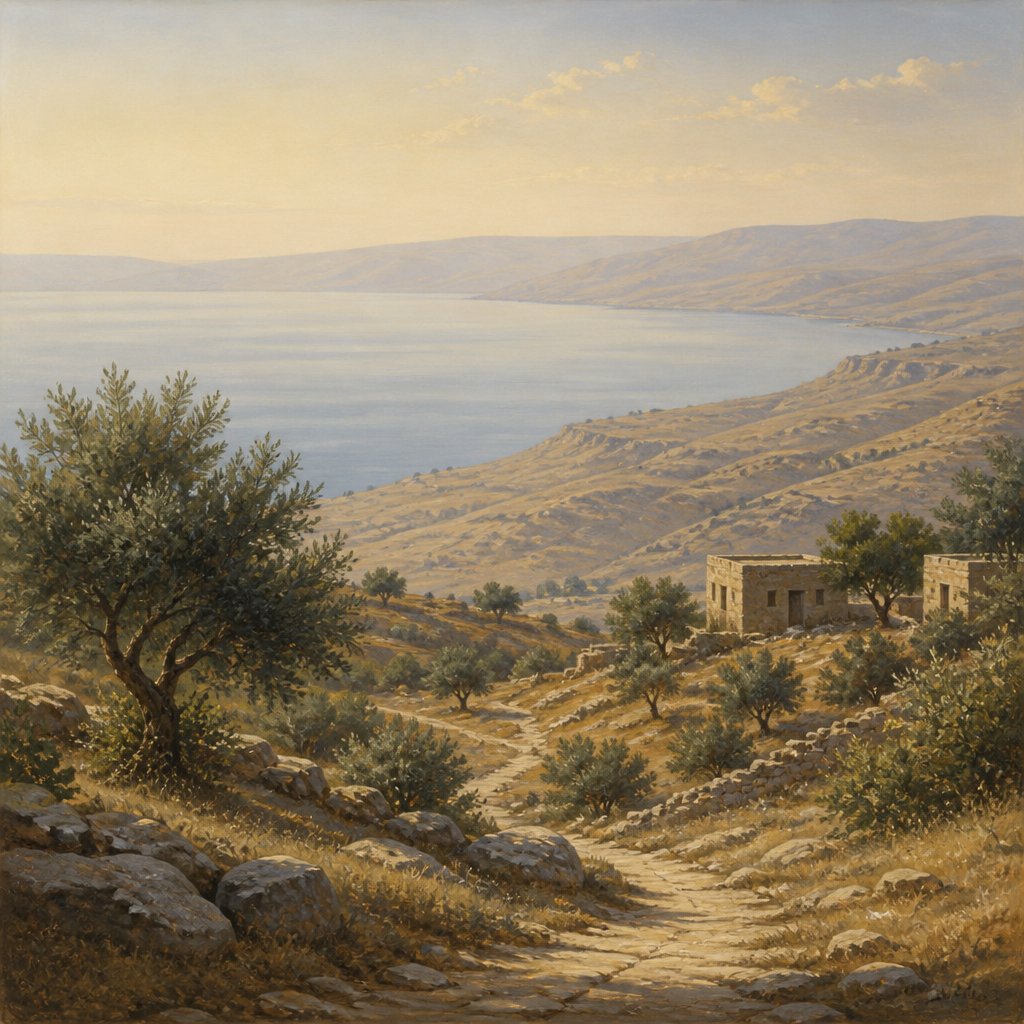
Joshua 13: 20 (KJV): And Bethpeor, and Ashdothpisgah, and Bethjeshimoth,
This verse is part of a passage in the Book of Joshua which recounts the division of the land of Canaan among the tribes of Israel. This division represents the fulfillment of the promise made by God to Abraham in the book of Genesis, to give his descendants, the Israelites, the land of Canaan as an inheritance.
In this particular verse, the names Bethpeor, Ashdothpisgah, and Bethjeshimoth are mentioned as part of the land that was allotted to the tribes of Reuben and Gad and the half-tribe of Manasseh. These names refer to specific geographical locations within the land of Canaan that were to become part of the inheritance of these tribes.
In order to understand the deeper meaning and significance of this verse, it is important to consider the historical and cultural context in which it was written. The Book of Joshua is a historical account of the Israelites' conquest and settlement of the land of Canaan under the leadership of Joshua, after the death of Moses. The division of the land among the tribes was a crucial milestone in the fulfillment of God's promises to the Israelites and the establishment of their presence in the land of Canaan.
The mentioning of specific locations in the division of the land serves as a reminder of the faithfulness of God in fulfilling his promises. It also emphasizes the significance of the land itself as a central aspect of the Israelites' identity and their relationship with God. The land of Canaan was not merely a piece of real estate; it was intricately tied to the spiritual and religious heritage of the Israelites.
From a symbolic standpoint, the division of the land and the specific names mentioned in this verse can also be seen as reflective of the broader themes of inheritance, blessing, and the covenant relationship between God and His people. The land of Canaan represented the fulfillment of the promise made to Abraham, and by extension, it symbolized the blessing and inheritance that God bestows upon His chosen people.
Furthermore, the division of the land also served as a reminder of the responsibility and stewardship that the Israelites had towards the land. It was not merely a gift to be enjoyed, but a trust to be cared for, as part of their covenant relationship with God.
The mention of Bethpeor, Ashdothpisgah, and Bethjeshimoth also carries significance in terms of their specific historical and spiritual connotations. Bethpeor is associated with the place where the prophet Balaam was taken by Balak to curse the Israelites, but instead, he blessed them at the command of God. Ashdothpisgah is believed to be the location from which Moses viewed the Promised Land before his death, while Bethjeshimoth was a place on the eastern border of the land.
In conclusion, Joshua 13:20 is a verse that holds important theological, historical, and symbolic significance within the broader narrative of the Israelites' conquest and settlement of the land of Canaan. It serves as a reminder of the faithfulness of God in fulfilling His promises, the blessing and responsibility of the Israelites towards the land, and the broader themes of inheritance and covenant relationship between God and His people.
Have questions about Joshua 13:20?
Dive deeper into this scripture with Bible Chat — an AI-powered tool for exploring God's Word through conversation. Ask questions, get context, and grow in your understanding of the Bible.
Get Our Apps


Joshua 13:20 Artwork

Joshua 13:20 - "And Beth-peor, and Ashdoth-pisgah, and Beth-jeshimoth,"

"And Beth-peor, and Ashdoth-pisgah, and Beth-jeshimoth," - Joshua 13:20

Joshua 20:1 - "The LORD also spake unto Joshua, saying,"

Joshua 6:20

Joshua 6:20

Joshua 4:20 - "And those twelve stones, which they took out of Jordan, did Joshua pitch in Gilgal."

Joshua 19:20 - "And Rabbith, and Kishion, and Abez,"

Joshua 14:13 - "And Joshua blessed him, and gave unto Caleb the son of Jephunneh Hebron for an inheritance."

"The LORD also spake unto Joshua, saying," - Joshua 20:1

Joshua 5:13

Joshua 7:20 - "And Achan answered Joshua, and said, Indeed I have sinned against the LORD God of Israel, and thus and thus have I done:"

Joshua 13:18 - "And Jahazah, and Kedemoth, and Mephaath,"

Joshua 15:20 - "This is the inheritance of the tribe of the children of Judah according to their families."

Joshua 11:13 - "But as for the cities that stood still in their strength, Israel burned none of them, save Hazor only; that did Joshua burn."

Joshua 12:20 - "The king of Shimron-meron, one; the king of Achshaph, one;"

"And Rabbith, and Kishion, and Abez," - Joshua 19:20

Joshua 5:13 (KJVA) 13 And it came to pass, when Joshua was by Jericho, that he lifted up his eyes and looked, and, behold, there stood a man over against him with his sword drawn in his hand: and Joshua went unto him, and said unto him, Art thou for us, or for our adversaries?

Joshua 8:13 - "And when they had set the people, even all the host that was on the north of the city, and their liers in wait on the west of the city, Joshua went that night into the midst of the valley."

Joshua 13:13 - "Nevertheless the children of Israel expelled not the Geshurites, nor the Maachathites: but the Geshurites and the Maachathites dwell among the Israelites until this day."

Joshua 12:13 - "The king of Debir, one; the king of Geder, one;"

Joshua 13:19 - "And Kirjathaim, and Sibmah, and Zareth-shahar in the mount of the valley,"

Exodus 17:13 - "And Joshua discomfited Amalek and his people with the edge of the sword."

Joshua 13:28 - "This is the inheritance of the children of Gad after their families, the cities, and their villages."

Joshua 13:1 - "Now Joshua was old and stricken in years; and the LORD said unto him, Thou art old and stricken in years, and there remaineth yet very much land to be possessed."

Joshua 10:20 - "And it came to pass, when Joshua and the children of Israel had made an end of slaying them with a very great slaughter, till they were consumed, that the rest which remained of them entered into fenced cities."

"And those twelve stones, which they took out of Jordan, did Joshua pitch in Gilgal." - Joshua 4:20

"And Jahazah, and Kedemoth, and Mephaath," - Joshua 13:18

Joshua 13:2 - "This is the land that yet remaineth: all the borders of the Philistines, and all Geshuri,"

Joshua 15:13 - "¶ And unto Caleb the son of Jephunneh he gave a part among the children of Judah, according to the commandment of the LORD to Joshua, even the city of Arba the father of Anak, which city is Hebron."

"And Joshua blessed him, and gave unto Caleb the son of Jephunneh Hebron for an inheritance." - Joshua 14:13