What does John 9:6 mean?
"When he had thus spoken, he spat on the ground, and made clay of the spittle, and he anointed the eyes of the blind man with the clay," - John 9:6

John 9:6 (KJV) - "When he had thus spoken, he spat on the ground, and made clay of the spittle, and he anointed the eyes of the blind man with the clay"
This verse comes from the ninth chapter of the Gospel of John, which tells the story of Jesus healing a man who was born blind. This miracle is one of the most well-known and powerful stories in the Bible, and it carries with it a deep spiritual and symbolic significance.
In this verse, we see Jesus using unconventional methods to perform the miracle of healing the blind man. Instead of simply speaking a word or laying hands on the man, Jesus spits on the ground, makes clay from the spit, and anoints the blind man's eyes with the clay. At first glance, this may seem strange or even off-putting. However, when we examine the deeper meanings and symbolism behind this action, we can see that there is a profound spiritual truth being conveyed.
One of the key themes in this verse is the idea of spiritual sight and blindness. Throughout the Gospels, Jesus often speaks in metaphorical terms about the difference between physical and spiritual sight. In this story, the blind man represents those who are spiritually blind, unable to see the truth of who Jesus is and the reality of the Kingdom of God. The act of anointing the man's eyes with clay symbolizes the spiritual transformation that takes place when a person comes to faith in Jesus. The clay represents the earthly, human element, and the anointing symbolizes the divine touch of God.
The use of spit and clay in this miracle also holds great symbolic significance. In Jewish culture at the time, spit was considered unclean and was often associated with impurity. By using spit in this miracle, Jesus is demonstrating his power over impurity and his ability to transform and cleanse that which is considered unclean. The use of clay also has deep symbolic meaning, as it represents the idea of being molded and shaped by the hands of God. Throughout the Bible, we see references to God as the potter and humanity as the clay, and this imagery is evoked in the act of Jesus using clay to heal the blind man.
Another important aspect of this verse is the physical act of Jesus anointing the man's eyes with the clay. Anointing was a common practice in ancient Israel, often used to consecrate or set apart someone or something for a sacred purpose. In this case, Jesus is symbolically consecrating the blind man's eyes, setting them apart for the sacred purpose of receiving spiritual sight. This act of anointing speaks to the transformative power of God to take what is broken and make it whole, to take what is blind and give it sight.
In a broader context, this verse also speaks to the nature of Jesus' ministry and his mission to bring light to those who are in darkness. Throughout his earthly ministry, Jesus performed countless miracles that demonstrated his power over sickness, death, and all forms of spiritual and physical bondage. This story of the blind man is a powerful example of Jesus' ability to bring light and life to those who are in need.
In conclusion, John 9:6 is a rich and layered verse that holds great spiritual significance. Through the use of spit, clay, and anointing, Jesus conveys profound truths about spiritual sight and blindness, divine transformation, and the redemptive power of God. This miracle serves as a powerful reminder of Jesus' mission to bring light to a dark and broken world, and it challenges us to consider our own spiritual sight and openness to the transformative touch of God.
Have questions about John 9:6?
Dive deeper into this scripture with Bible Chat — an AI-powered tool for exploring God's Word through conversation. Ask questions, get context, and grow in your understanding of the Bible.
Get Our Apps


John 9:6 Artwork

John 9:6 - "When he had thus spoken, he spat on the ground, and made clay of the spittle, and he anointed the eyes of the blind man with the clay,"
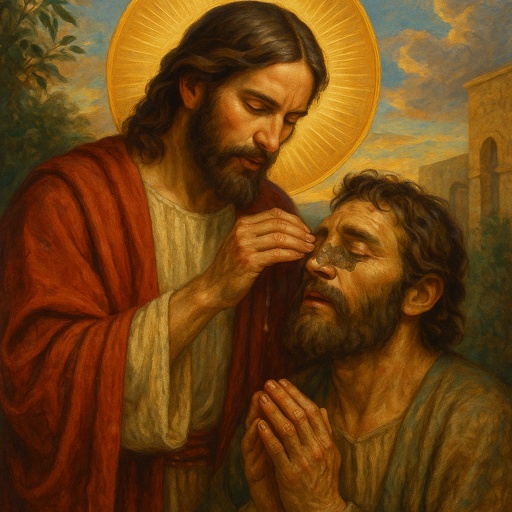
"When he had thus spoken, he spat on the ground, and made clay of the spittle, and he anointed the eyes of the blind man with the clay," - John 9:6

John 9:6-7 - "After saying this, he spit on the ground, made some mud with the saliva, and put it on the man’s eyes. "Go," he told him, "wash in the Pool of Siloam" (this word means "Sent"). So the man went and washed, and came home seeing."

"When he had thus spoken, he spat on the ground, and made clay of the spittle, and he anointed the eyes of the blind man with the clay," - John 9:6
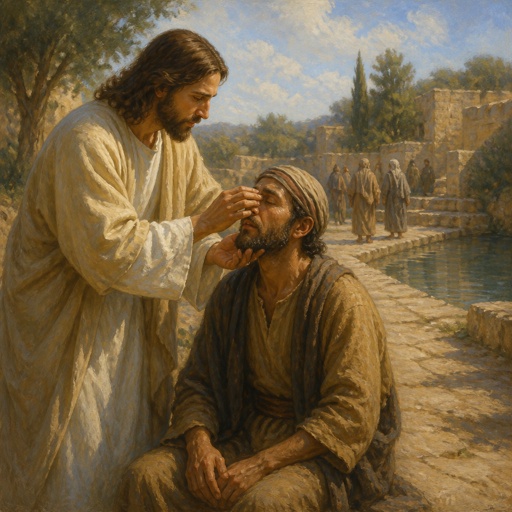
"After saying this, he spit on the ground, made some mud with the saliva, and put it on the man’s eyes. "Go," he told him, "wash in the Pool of Siloam" (this word means "Sent"). So the man went and washed, and came home seeing." - John 9:6-7

John 6:8-9

John 6:9 - "There is a lad here, which hath five barley loaves, and two small fishes: but what are they among so many?"

John 1:6 - "¶ There was a man sent from God, whose name was John."

John 6:63

John 6:63

John 6:63

John 6:63

john 21:9
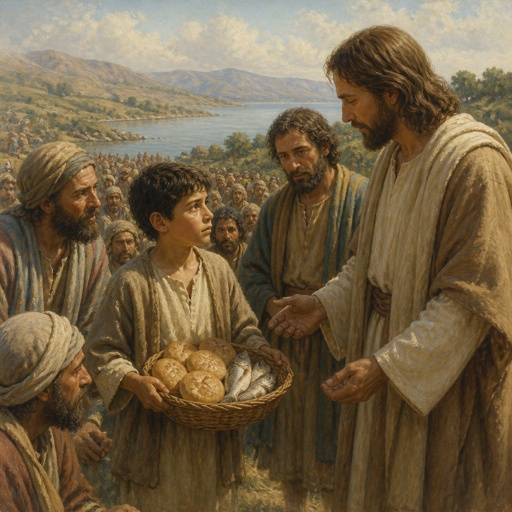
"There is a lad here, which hath five barley loaves, and two small fishes: but what are they among so many?" - John 6:9

John 10:9

John 10:9

John 10:9

John 6:12

John 6:40

John 21:6

John 14:6

John 6:16

John 21:6

John 6:37

John 21:6

John 21:6

John 6:40

John 9:1-3

John 13:4-9

John 9:1-41