What does John 9:33 mean?
"If this man were not of God, he could do nothing." - John 9:33
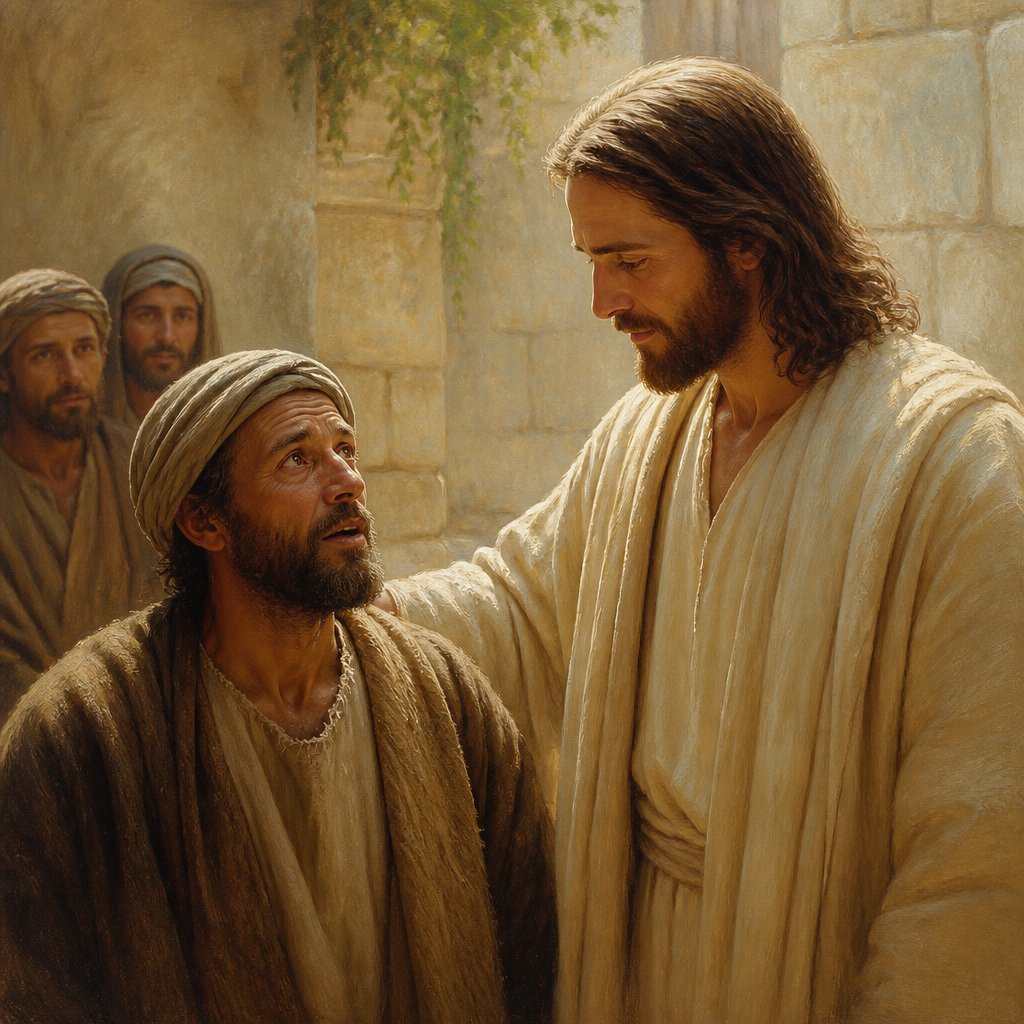
In the Bible verse John 9:33, the King James Version (KJV) reads:
"If this man were not of God, he could do nothing."
This verse is part of the story of Jesus healing a man who was born blind. The Pharisees, the religious authorities of the time, had a hard time accepting that Jesus had performed such a miraculous act, especially on the Jewish Sabbath. They questioned the blind man, who had been given sight by Jesus, and went as far as to call in the man's parents to confirm that he had indeed been born blind.
The man's parents confirmed this fact but declined to speak further about how their son had received his sight, fearing the repercussions of the Pharisees, who had already threatened to expel anyone who confessed Jesus as the Christ from the synagogue.
The Pharisees continued to question the man who had been healed, seeking to find fault with Jesus. However, the man responded boldly, defending Jesus and his healing power. In the verse preceding 9:33, the man makes a strong argument for Jesus, saying, "Now we know that God heareth not sinners: but if any man be a worshipper of God, and doeth his will, him he heareth." This statement prompted the response in verse 9:33: "If this man were not of God, he could do nothing."
The blind man's response was a powerful declaration of faith in Jesus and his divine authority. He was essentially challenging the Pharisees to consider the evidence of Jesus' works and to recognize that Jesus was indeed sent by God.
One of the key themes in this passage is the contrast between spiritual blindness and spiritual sight. The blind man received physical sight through Jesus, but it was the Pharisees who were blind to the truth. They were so fixated on their own ideas and traditions that they were unable to recognize Jesus as the Messiah, despite witnessing the miracles that he performed. The story serves as a reminder that true spiritual sight comes from recognizing and accepting Jesus as the Son of God.
Another important theme is that of faith and courage. The blind man's bold and unwavering defense of Jesus despite facing pressure and threats from the religious authorities is a testament to his faith and courage. His actions serve as an example to believers, encouraging them to remain steadfast in their faith even in the face of opposition.
A deeper examination of the context of this verse reveals its significance within the larger narrative of the Gospel of John. This story not only illustrates Jesus' power as a healer but also serves to reveal his identity as the Messiah, the Son of God. The blind man's proclamation of faith in Jesus foreshadows the larger revelation of Jesus' identity that is to come in the subsequent chapters of the gospel.
Furthermore, the symbolism in this verse is profound. The man's physical blindness at birth is a metaphor for the spiritual blindness that afflicts those who do not believe in Jesus. Through his healing, Jesus not only restores the man's sight but also opens his eyes to the truth of who Jesus is.
In conclusion, John 9:33 is a powerful declaration of faith in Jesus and a challenge to the spiritual blindness of the Pharisees. The passage highlights the themes of spiritual sight, faith, and courage, and serves as a significant moment in the Gospel of John that contributes to the larger narrative of Jesus' identity and mission.
Have questions about John 9:33?
Dive deeper into this scripture with Bible Chat — an AI-powered tool for exploring God's Word through conversation. Ask questions, get context, and grow in your understanding of the Bible.
Get Our Apps


John 9:33 Artwork

John 9:33 - "If this man were not of God, he could do nothing."
"If this man were not of God, he could do nothing." - John 9:33

John 16:33

John 16:33

John 16:33

John 16:33
John 16:33

John 16:33

John 16 : 33

John 1:33

John 5:33 - "Ye sent unto John, and he bare witness unto the truth."

John 12:33 - "This he said, signifying what death he should die."

Ezekiel 33:3-9

John 19:33 - "But when they came to Jesus, and saw that he was dead already, they brake not his legs:"

"Ye sent unto John, and he bare witness unto the truth." - John 5:33

John 3:33 - "He that hath received his testimony hath set to his seal that God is true."

Mark 14:33 - "And he taketh with him Peter and James and John, and began to be sore amazed, and to be very heavy;"

John 4:33 - "Therefore said the disciples one to another, Hath any man brought him ought to eat?"

John 6:33 - "For the bread of God is he which cometh down from heaven, and giveth life unto the world."

Psalms 33:9 - "For he spake, and it was done; he commanded, and it stood fast."

John 18:33 - "Then Pilate entered into the judgment hall again, and called Jesus, and said unto him, Art thou the King of the Jews?"

Luke 7:33 - "For John the Baptist came neither eating bread nor drinking wine; and ye say, He hath a devil."
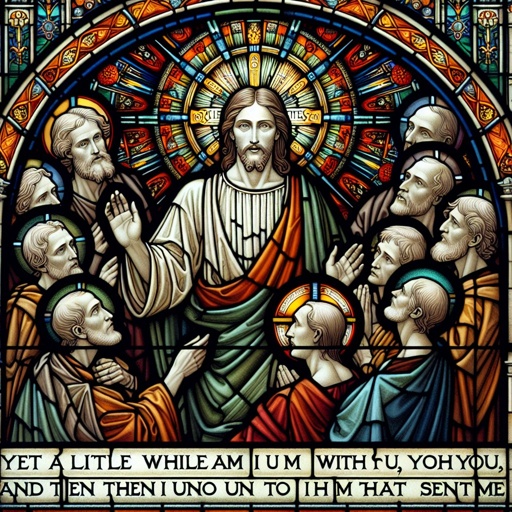
John 7:33 - "Then said Jesus unto them, Yet a little while am I with you, and then I go unto him that sent me."

john 21:9
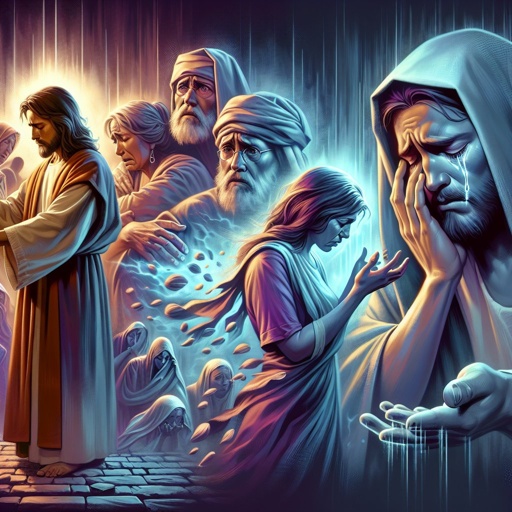
John 11:33 - "When Jesus therefore saw her weeping, and the Jews also weeping which came with her, he groaned in the spirit, and was troubled,"

Job 33:9 - "I am clean without transgression, I am innocent; neither is there iniquity in me."

John 10:9

John 10:9

John 10:9

Luke 5:33 - "¶ And they said unto him, Why do the disciples of John fast often, and make prayers, and likewise the disciples of the Pharisees; but thine eat and drink?"