What does John 9:3 mean?
"Jesus answered, Neither hath this man sinned, nor his parents: but that the works of God should be made manifest in him." - John 9:3
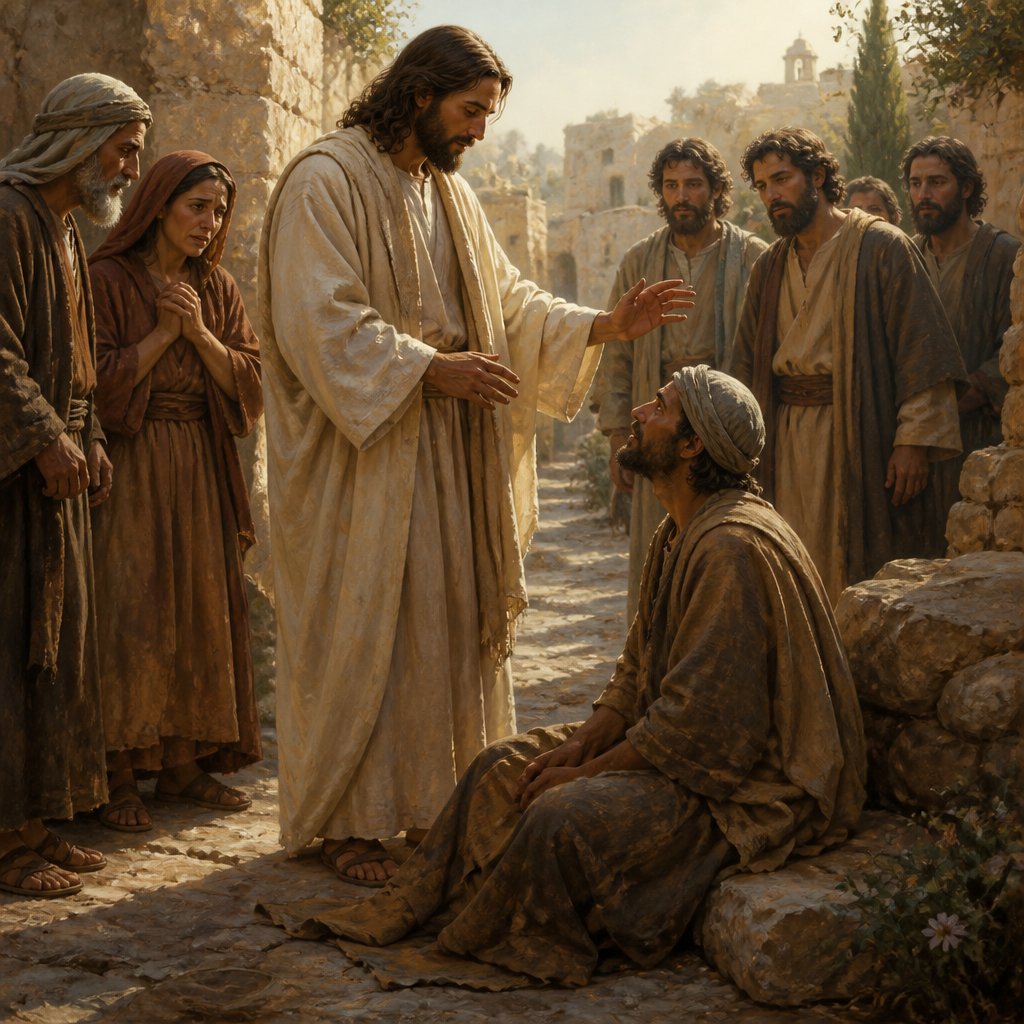
John 9:3 (KJV) states, "Jesus answered, Neither hath this man sinned, nor his parents: but that the works of God should be made manifest in him." This verse is a part of the story of Jesus healing a blind man on the Sabbath. The verse touches on the complex relationships between sin, suffering, and the will of God, and serves as a powerful reminder that God's works are to be made known through our lives.
Contextually, the healing of the blind man takes place in the aftermath of a confrontation between Jesus and the religious leaders over the interpretation of Sabbath laws. In this heated atmosphere, Jesus and his disciples encounter a man who had been blind from birth. The disciples inquire about the cause of the man’s blindness, asking Jesus, “Rabbi, who sinned, this man or his parents, that he was born blind?” (John 9:2, KJV). This question reflects the prevailing belief in the ancient world that suffering was directly linked to the sin of the person or their parents. Jesus, however, challenges this assumption and provides a deeper explanation for the man's condition in John 9:3.
The verse begins with Jesus responding to his disciples' question by stating, "Neither hath this man sinned, nor his parents." In this statement, Jesus is dispelling the notion that the man's blindness was a punishment for sin—either his own or that of his parents. This challenges the conventional wisdom of the time and emphasizes the disconnect between suffering and personal sin.
Jesus then goes on to explain the true purpose behind the man's blindness, saying, "but that the works of God should be made manifest in him." This statement reveals that God's ultimate plan for the blind man is to use his condition as an opportunity to manifest His power and glory through the healing and restoration of the man’s sight. Essentially, the man’s suffering serves as a canvas on which God's miraculous works are to be displayed, bringing glory to the Father.
This verse speaks to a broader theme present throughout the Bible, which is the concept of God using human suffering as a means to reveal His power, mercy, and love. This theme is particularly prevalent in the Old Testament, where God often intervenes in the lives of His people during times of hardship and suffering, ultimately bringing about a resolution that showcases His sovereignty and benevolence. In the New Testament, this theme is underscored through Jesus’ healing miracles and ultimately His sacrificial death and resurrection, which serve as the ultimate revelation of God's redemptive power.
The verse also sheds light on the character of God as portrayed in the Bible. It affirms that God is a God of compassion and restoration, who uses human suffering as an opportunity to bring about His divine purposes rather than as a means of punishment or retribution. This challenges the traditional understanding of suffering and sin, and emphasizes the redemptive nature of God's plan for humanity.
Moreover, the verse carries significant symbolic meaning. The man's physical blindness can be viewed as a metaphor for spiritual blindness—the inability to perceive and understand the truth of God. Through Jesus' miraculous healing, the blind man not only regains his physical sight but also gains spiritual insight, as evidenced by his growing understanding and belief in Jesus as the Messiah. This serves as a powerful symbol of the transformative power of God, who can bring light and understanding to those who are spiritually blind.
In conclusion, John 9:3 is a profound and multi-layered verse that challenges conventional beliefs about suffering, sin, and God's will. It emphasizes the redemptive nature of God's plan, the transformative power of His works, and the symbolic significance of physical healing as a metaphor for spiritual awakening. The verse serves as a reminder to trust in God's sovereignty and to look for His works in the midst of human suffering, ultimately bringing glory to His name.
Have questions about John 9:3?
Dive deeper into this scripture with Bible Chat — an AI-powered tool for exploring God's Word through conversation. Ask questions, get context, and grow in your understanding of the Bible.
Get Our Apps


John 9:3 Artwork

John 9:3 - "Jesus answered, Neither hath this man sinned, nor his parents: but that the works of God should be made manifest in him."
"Jesus answered, Neither hath this man sinned, nor his parents: but that the works of God should be made manifest in him." - John 9:3

John 9:1-3

John 3:9 - "Nicodemus answered and said unto him, How can these things be?"

numbers 21:8-9 & John 3:14

3 John 1:9 - "I wrote unto the church: but Diotrephes, who loveth to have the preeminence among them, receiveth us not."

1 John 3:9 - "Whosoever is born of God doth not commit sin; for his seed remaineth in him: and he cannot sin, because he is born of God."
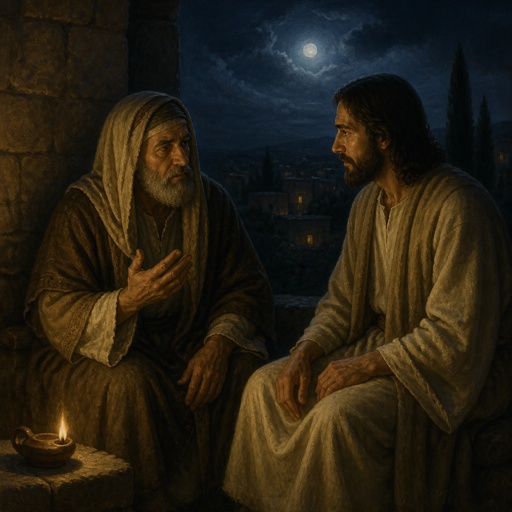
"Nicodemus answered and said unto him, How can these things be?" - John 3:9

John 3:3

John 3:24 - "For John was not yet cast into prison."

john 21:9

John 3:3-8

John 10:9

John 10:9

John 10:9

"I wrote unto the church: but Diotrephes, who loveth to have the preeminence among them, receiveth us not." - 3 John 1:9

John 3

1 John 3:1-3

John 6:8-9

John 13:4-9

John 9:1-41

1 John 1:9

John 3:16

John 3:16

john 3:16

John 3:14

John 3:16

John 3:16

John 3:4

John 3:16