What does John 9:29 mean?
"We know that God spake unto Moses: as for this fellow, we know not from whence he is." - John 9:29
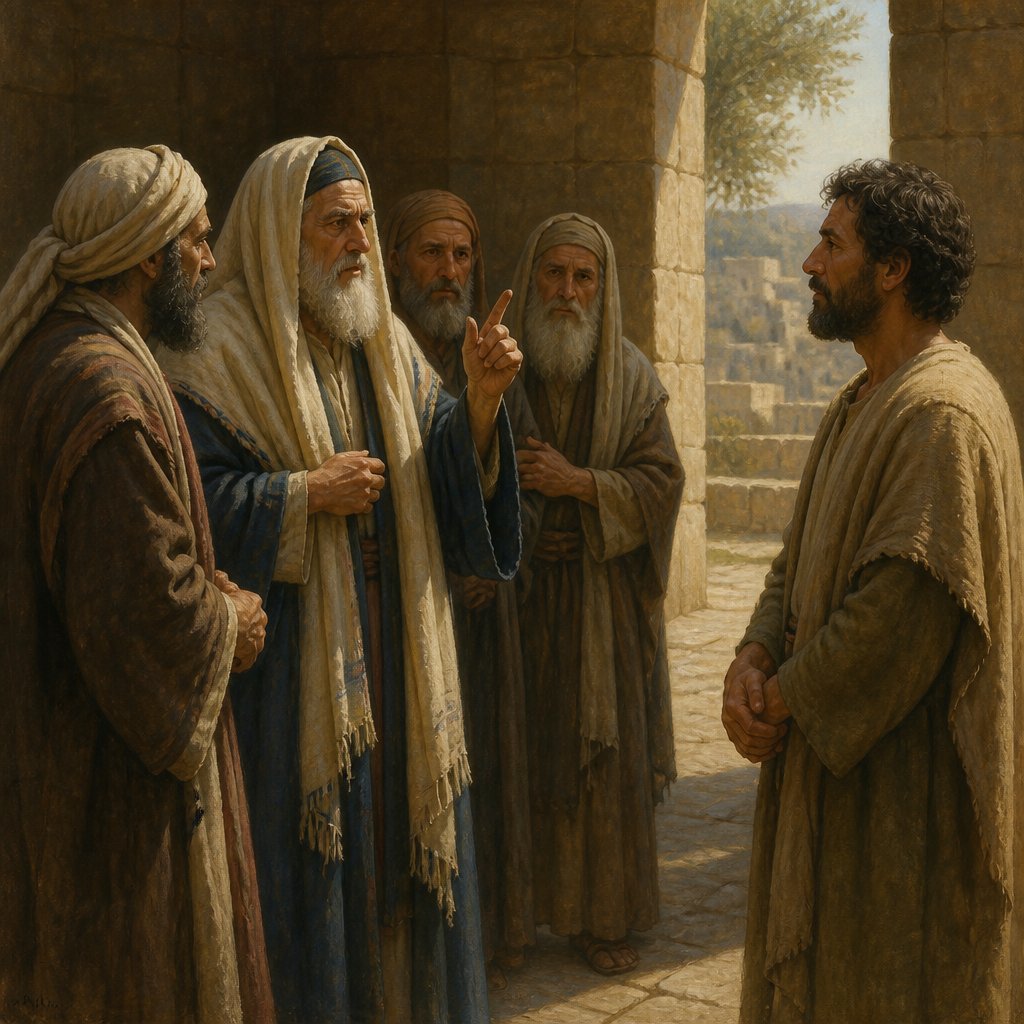
John 9:29 (KJV) says, "We know that God spake unto Moses: as for this fellow, we know not from whence he is." This verse is part of a larger passage in which Jesus heals a blind man, and the Pharisees question the man who has been healed.
The context of this verse is important to understanding its deeper meaning. In the preceding verses, Jesus heals a man who was born blind. This miraculous act creates a stir among the Pharisees, who are skeptical of Jesus' divine authority. They question the man who has been healed, and he defends Jesus, saying that he must be from God because of the extraordinary nature of the healing. This angers the Pharisees, who are unwilling to accept that Jesus could be sent from God.
In this verse, the Pharisees are expressing their disbelief in Jesus as a messenger of God. They claim to know that God spoke to Moses, who is revered in Jewish tradition as the great lawgiver and prophet. By contrasting Moses with "this fellow" (referring to Jesus), the Pharisees are attempting to diminish Jesus' status and separate him from the religious tradition they hold dear.
This verse has several important themes that can be explored. First, it highlights the theme of disbelief and skepticism in the face of divine intervention. The Pharisees' refusal to acknowledge Jesus as a messenger of God reflects a broader theme in the Bible of people rejecting the divine due to their own biases and preconceived notions. This theme challenges readers to examine their own beliefs and prejudices and consider how they may be preventing them from recognizing and accepting the presence of God in their lives.
Another important theme in this verse is the contrast between tradition and innovation. The Pharisees are steeped in the religious tradition of their time, particularly the teachings of Moses. When Jesus arrives on the scene, he challenges their established beliefs and practices, leading to conflict and resistance. This theme raises questions about the nature of tradition and the role of innovation in religious faith. It also speaks to the idea of openness to new spiritual insights and the danger of becoming rigid and closed-minded in one's religious beliefs.
Symbolism also plays a significant role in this verse. The reference to Moses as a figure who received direct communication from God symbolizes the authority of tradition and the established religious order. By contrast, the mention of "this fellow" as an unknown and unverified figure symbolizes the Pharisees' dismissal of Jesus as an outsider and a threat to their religious authority. This symbolism underscores the conflict between old and new, tradition and innovation, and the challenge of recognizing divine authority in unexpected places.
In conclusion, John 9:29 (KJV) is a rich and complex verse that speaks to the themes of disbelief, tradition versus innovation, and the symbolism of established religious authority versus the challenges of new spiritual insights. Its context within the larger narrative of Jesus' healing of the blind man and the conflict with the Pharisees provides important insight into its deeper meaning. This verse serves as a powerful reminder to readers to examine their own beliefs and prejudices, to remain open to new spiritual insights, and to consider the presence of the divine in unexpected places.
Have questions about John 9:29?
Dive deeper into this scripture with Bible Chat — an AI-powered tool for exploring God's Word through conversation. Ask questions, get context, and grow in your understanding of the Bible.
Get Our Apps


John 9:29 Artwork

John 9:29 - "We know that God spake unto Moses: as for this fellow, we know not from whence he is."
"We know that God spake unto Moses: as for this fellow, we know not from whence he is." - John 9:29

John 14.23-29

John 14:23-29

John 1 29-42

John 1 29-42

John 14:23-29

John 14:23-29

John 1 29-42

John 1 29-42

John 1:29 - "¶ The next day John seeth Jesus coming unto him, and saith, Behold the Lamb of God, which taketh away the sin of the world."

luke 9:29- 30

John 1:John 1:29 The Next Day John Saw Jesus Coming Toward Him, And Said, “Behold! The Lamb Of God Who Takes Away The Sin Of The World!

John 1:John 1:29 The Next Day John Saw Jesus Coming Toward Him, And Said, “Behold! The Lamb Of God Who Takes Away The Sin Of The World!

John 1:John 1:29 The Next Day John Saw Jesus Coming Toward Him, And Said, “Behold! The Lamb Of God Who Takes Away The Sin Of The World!

John 11:29 - "As soon as she heard that, she arose quickly, and came unto him."

John 7:29 - "But I know him: for I am from him, and he hath sent me."

John 12:29 - "The people therefore, that stood by, and heard it, said that it thundered: others said, An angel spake to him."

Luke 7:29 - "And all the people that heard him, and the publicans, justified God, being baptized with the baptism of John."

Job 29:9 - "The princes refrained talking, and laid their hand on their mouth."

Mark 1:29 - "And forthwith, when they were come out of the synagogue, they entered into the house of Simon and Andrew, with James and John."

John 18:29 - "Pilate then went out unto them, and said, What accusation bring ye against this man?"

john 21:9

Job 9:29 - "If I be wicked, why then labour I in vain?"

John 16:29 - "His disciples said unto him, Lo, now speakest thou plainly, and speakest no proverb."

John 4:29 - "Come, see a man, which told me all things that ever I did: is not this the Christ?"

John 10:9

John 10:9

John 10:9

1 John 2:29 - "If ye know that he is righteous, ye know that every one that doeth righteousness is born of him."