What does John 9:14 mean?
"And it was the sabbath day when Jesus made the clay, and opened his eyes." - John 9:14
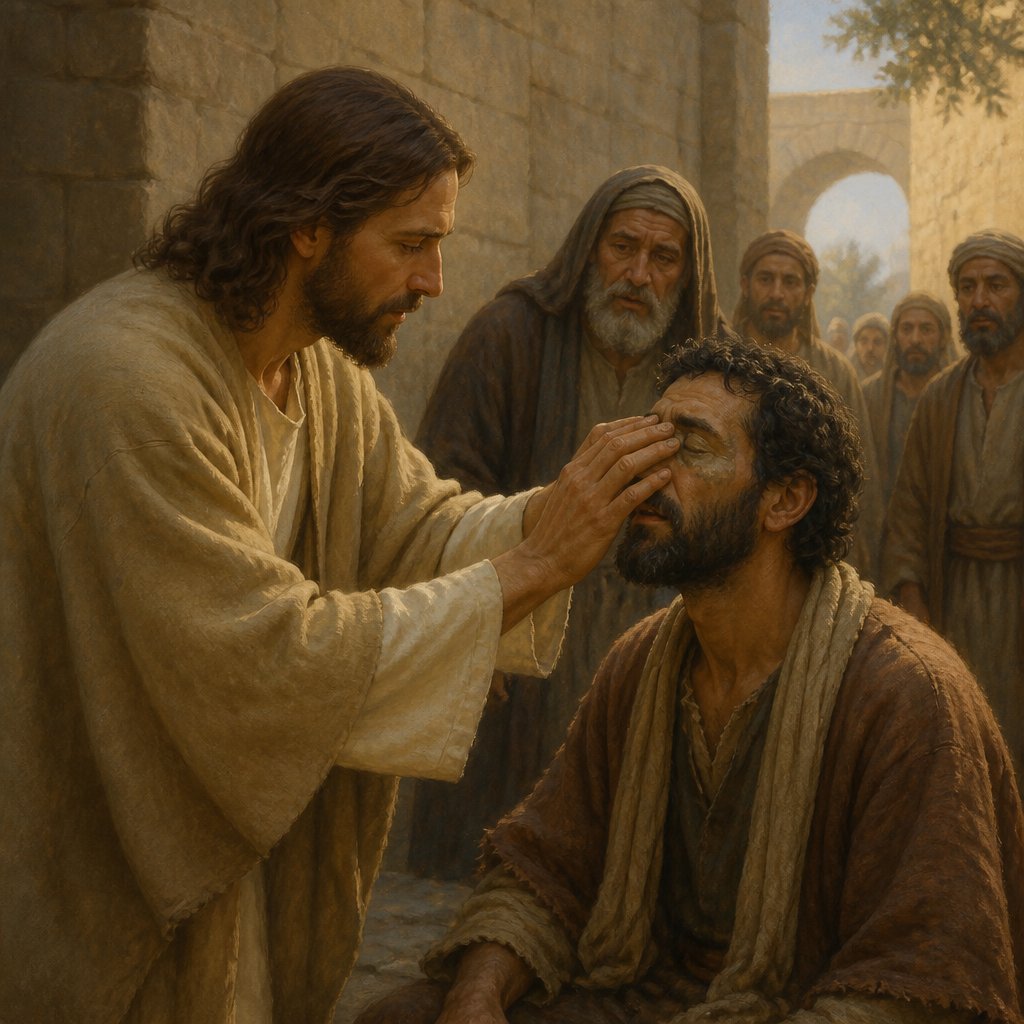
John 9:14 (KJV) reads, "And it was the sabbath day when Jesus made the clay, and opened his eyes."
This verse is part of the larger narrative in the gospel of John that tells the story of Jesus healing a blind man on the Sabbath day. This healing miracle is significant not only because it demonstrates Jesus' power and compassion, but also because it sparks controversy and conflict among the religious leaders of the time.
The Sabbath was a central institution in Jewish religious and cultural life. It was a day of rest and worship, and was strictly observed according to Jewish law. In this context, Jesus choosing to perform a miraculous healing on the Sabbath was seen as controversial and provocative by the religious authorities of the time.
The use of the Sabbath as the setting for this miracle underscores several key themes in the gospel of John, including Jesus' authority over traditional religious practices, the fulfilment of Old Testament prophesies, and the tension between legalism and grace.
In the larger context of John's gospel, this story is deeply symbolic. The healing of the blind man not only represents a physical miracle, but also serves as a metaphor for spiritual insight and understanding. The blind man's physical blindness mirrors the spiritual blindness of the religious leaders who refuse to acknowledge Jesus as the Messiah. However, as the story unfolds, the blind man not only receives his sight, but also comes to a deeper understanding of who Jesus is and becomes a witness to his power and divinity.
The act of Jesus making clay and applying it to the blind man's eyes also carries symbolic weight. In Jewish tradition, the act of creating something from clay recalls the story of God creating Adam from the dust of the earth. In this way, Jesus' action underscores his divine authority and power as the one who brings about new creation and restoration.
Furthermore, the controversy surrounding the healing on the Sabbath points to the larger theme of Jesus' ministry challenging and transcending traditional religious practices. Throughout the gospel of John, Jesus clashes with the religious leaders over Sabbath observance, dietary laws, and temple practices. In each case, Jesus demonstrates that the true heart of God's law is love, mercy, and justice, rather than legalistic adherence to rules and regulations.
Ultimately, this verse and the larger story it belongs to highlight the central message of the gospel of John – that Jesus is the light of the world who brings sight to the blind, both physically and spiritually. The healing of the blind man on the Sabbath serves as a powerful sign of Jesus' identity as the long-awaited Messiah and the fulfillment of God's promises.
In conclusion, John 9:14 in the King James Version of the Bible is a rich and complex verse that encapsulates the themes of healing, spiritual insight, and the tension between traditional religious practices and the new life and freedom found in Jesus. This verse serves as a powerful reminder of Jesus' authority and compassion, and invites readers to reflect on their own spiritual blindness and their need for the light of Christ.
Have questions about John 9:14?
Dive deeper into this scripture with Bible Chat — an AI-powered tool for exploring God's Word through conversation. Ask questions, get context, and grow in your understanding of the Bible.
Get Our Apps


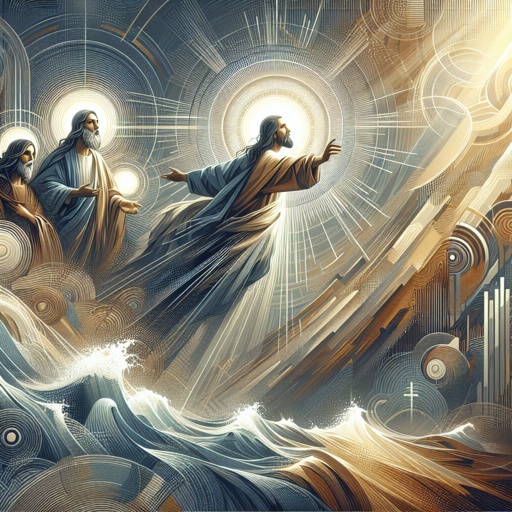
John 9:14 Artwork
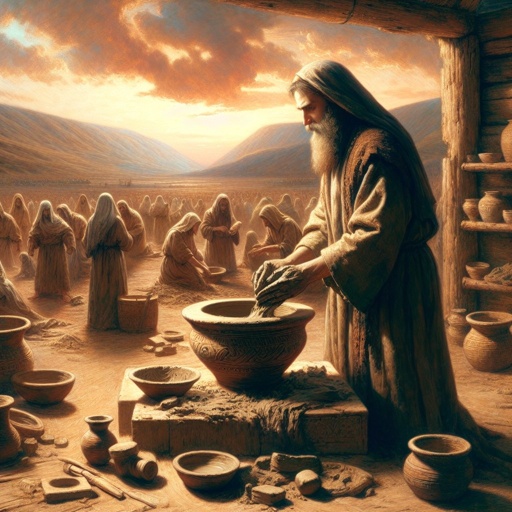
John 9:14 - "And it was the sabbath day when Jesus made the clay, and opened his eyes."
"And it was the sabbath day when Jesus made the clay, and opened his eyes." - John 9:14

numbers 21:8-9 & John 3:14

Matthew 9:14 - "¶ Then came to him the disciples of John, saying, Why do we and the Pharisees fast oft, but thy disciples fast not?"

John 14

John 14:30

John 14:9 - "Jesus saith unto him, Have I been so long time with you, and yet hast thou not known me, Philip? he that hath seen me hath seen the Father; and how sayest thou then, Shew us the Father?"

John 3:14

John 14:16

John 14:6
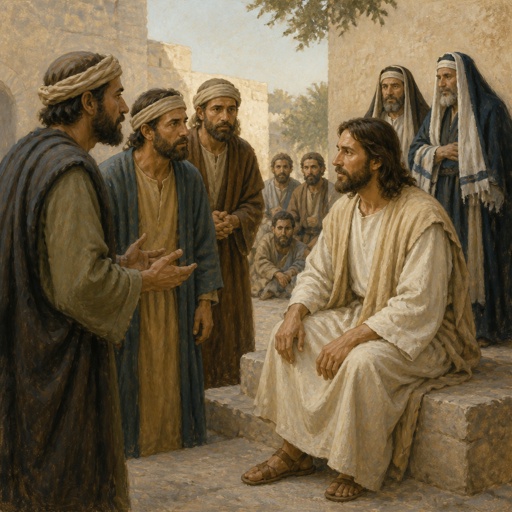
"¶ Then came to him the disciples of John, saying, Why do we and the Pharisees fast oft, but thy disciples fast not?" - Matthew 9:14

John 14:28

John 20:14

John 14:14 - "If ye shall ask any thing in my name, I will do it."

john 21:9

John 14:15-21

John 14:23-29

John 10:9

John 10:9

John 10:9

John 14:23-29

John 14:23-29

1 John 2:14

1 John 2:14

John 14:1-2
John 14:16-17

John 6:8-9

John 9:1-3

John 13:4-9

John 9:1-41