What does John 9:1-3 mean?
"King James Version (KJV) 1 And as Jesus passed by, he saw a man which was blind from his birth. 2 And his disciples asked him, saying, Master, who did sin, this man, or his parents, that he was born blind? 3 Jesus answered, Neither hath this man sinned, nor his parents: but that the works of God should be made manifest in him." - John 9:1-3

John 9:1-3 in the King James Version of the Bible reads: "And as Jesus passed by, he saw a man which was blind from his birth. And his disciples asked him, saying, Master, who did sin, this man, or his parents, that he was born blind? Jesus answered, Neither hath this man sinned, nor his parents: but that the works of God should be made manifest in him."
This passage from the Gospel of John is a powerful and thought-provoking account of Jesus' encounter with a man who was blind from birth. The passage sets the stage for a profound discussion about sin, suffering, and the purpose of God's work in the world.
The story begins with Jesus and his disciples coming across a man who was blind from birth. The disciples, with the common belief of the time, assume that the man's condition must have been caused by someone's sin. They ask Jesus, "Master, who did sin, this man, or his parents, that he was born blind?" This question reflects the prevailing belief in Jewish culture at the time that illness or disability was a punishment for sin, either of the individual or their parents.
Jesus' response to the disciples' question is striking in its rejection of this belief. He states, "Neither hath this man sinned, nor his parents: but that the works of God should be made manifest in him." In this statement, Jesus makes it clear that the man's blindness was not the result of anyone's sin. Rather, Jesus sees the man's condition as an opportunity to demonstrate the works of God.
This passage brings up several important themes and messages. One of the central themes is the relationship between sin and suffering, a topic that has been debated and pondered by theologians and thinkers for centuries. Jesus' response challenges the disciples' assumption that suffering is always a direct result of sin. It emphasizes the idea that suffering and illness are not necessarily punishments for sin, but can be opportunities for the glory of God to be revealed.
Another important theme in this passage is the idea of God's purpose in human suffering. Jesus states that the man's blindness was a means for "the works of God to be made manifest in him." This highlights the idea that God can work through difficult circumstances to bring about His purposes. It also raises the question of the role of suffering in God's overall plan for humanity.
The passage also speaks to the broader theme of God's sovereignty and power. By healing the blind man, Jesus demonstrates his authority over physical ailments and his ability to manifest the works of God in the world. This event serves as a reminder of God's ability to bring about healing and transformation, even in the most seemingly hopeless situations.
Symbolism plays a significant role in this passage as well. The man's blindness can be seen as symbolic of spiritual blindness, highlighting the theme of the importance of spiritual sight and understanding. Jesus' act of healing the man's blindness can be interpreted as a symbol of the spiritual illumination and understanding that comes through encountering Jesus and his teachings.
Overall, John 9:1-3 is a rich and multifaceted passage that offers deep insight into the nature of sin, suffering, and God's work in the world. It challenges prevailing assumptions about the relationship between sin and suffering and invites readers to consider the greater purposes of God in the midst of difficult circumstances. It also serves as a powerful reminder of Jesus' authority and ability to bring about healing and transformation, both physically and spiritually.
Have questions about John 9:1-3?
Dive deeper into this scripture with Bible Chat — an AI-powered tool for exploring God's Word through conversation. Ask questions, get context, and grow in your understanding of the Bible.
Get Our Apps


John 9:1-3 Artwork

John 9:1-3

John 9:1-3 - "As he went along, he saw a man blind from birth. His disciples asked him, "Rabbi, who sinned, this man or his parents, that he was born blind?" "Neither this man nor his parents sinned," said Jesus, "but this happened so that the works of God might be displayed in him."

"As he went along, he saw a man blind from birth. His disciples asked him, "Rabbi, who sinned, this man or his parents, that he was born blind?" "Neither this man nor his parents sinned," said Jesus, "but this happened so that the works of God might be displayed in him." - John 9:1-3

John 9:1-41

3 John 1:9 - "I wrote unto the church: but Diotrephes, who loveth to have the preeminence among them, receiveth us not."

John 9:1 - "And as Jesus passed by, he saw a man which was blind from his birth."

1 John 3:9 - "Whosoever is born of God doth not commit sin; for his seed remaineth in him: and he cannot sin, because he is born of God."

1 John 3:1-3

John 3:3

1 John 1:9

John 3:9 - "Nicodemus answered and said unto him, How can these things be?"

John 3:3-8

"And as Jesus passed by, he saw a man which was blind from his birth." - John 9:1

John 10:9

numbers 21:8-9 & John 3:14

John 3:14

John 3:16

John 1:3

John 1:3

John 3:16

John 3:16

John 3:16

John 3-16

John 3:16

John 3:16
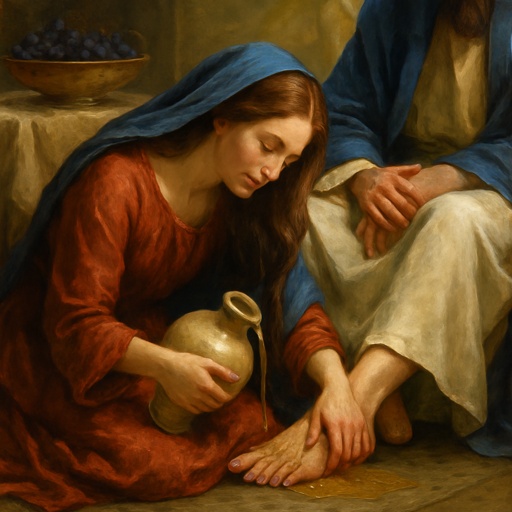
John 12:3

John 19:1-3

Born again. John 3

1 John 3:3 - "And every man that hath this hope in him purifieth himself, even as he is pure."

"I wrote unto the church: but Diotrephes, who loveth to have the preeminence among them, receiveth us not." - 3 John 1:9