What does John 8:58 mean?
"Jesus said unto them, Verily, verily, I say unto you, Before Abraham was, I am." - John 8:58
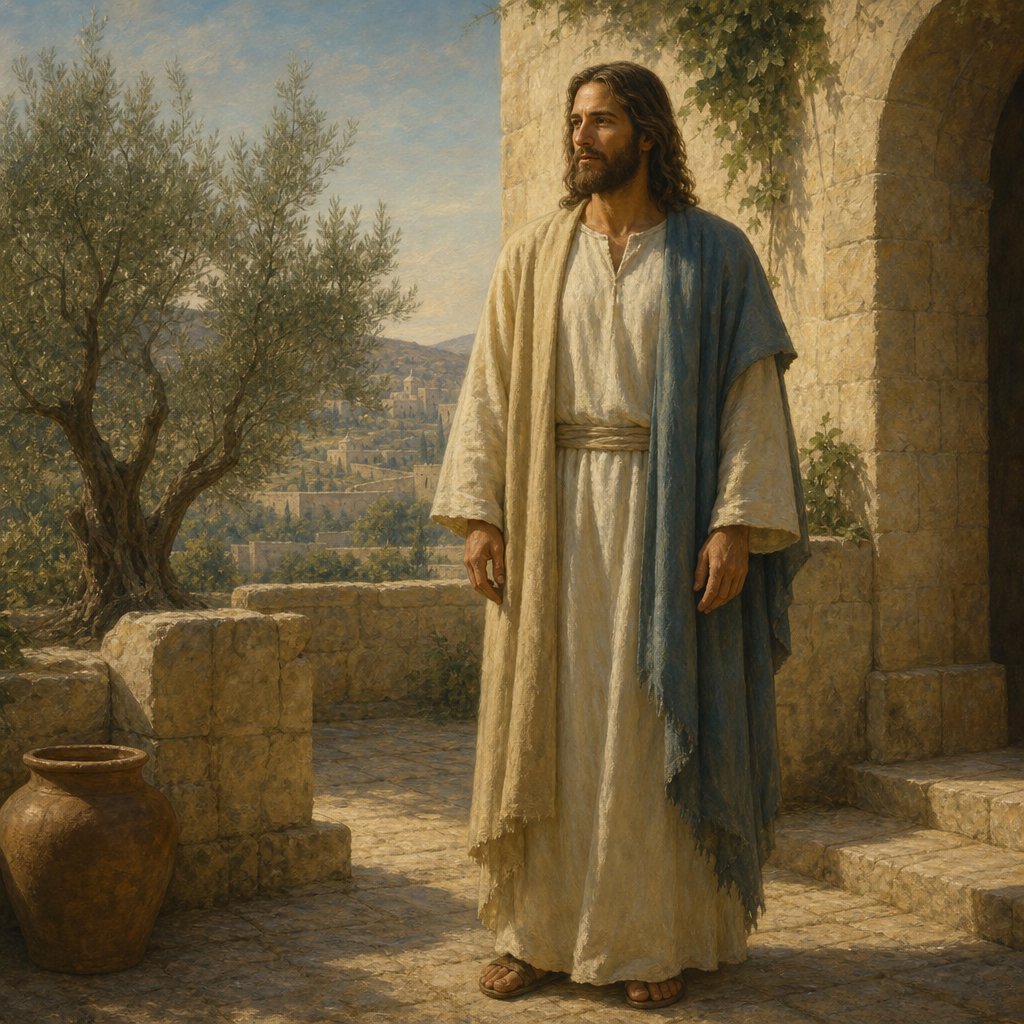
John 8:58 in the King James Version reads, "Jesus said unto them, Verily, verily, I say unto you, Before Abraham was, I am." This verse is a significant declaration made by Jesus, and it has deep theological and historical implications.
In order to fully understand the meaning and significance of this verse, it is important to consider the context in which it was spoken. In the preceding verses, Jesus is engaged in a heated debate with the religious leaders of the time. They were challenging Jesus and his authority, and this led to a discussion about Abraham, who was considered the father of the Jewish people.
When Jesus declares, "Before Abraham was, I am," he is making a profound statement about his own divinity. By using the phrase "I am," he is invoking the name of God as it was revealed to Moses in the book of Exodus. In Exodus 3:14, when Moses asks God for his name, God replies, "I AM WHO I AM. This is what you are to say to the Israelites: 'I am has sent me to you.'"
By using the same phrase, Jesus is not only claiming to have existed before Abraham, but he is also equating himself with the divine, eternal nature of God. This assertion would have been shocking and scandalous to the religious leaders of the time, as it was seen as blasphemous for a human being to equate himself with God.
The significance of Jesus' statement is further underscored by the reaction of the people around him. In the following verse, John 8:59, we read that the religious leaders picked up stones to stone Jesus, interpreting his words as blasphemy. Their reaction confirms that they understood the gravity of Jesus' claim and the implications it held for his identity.
The theme of Jesus' divinity is central to this verse. Throughout the New Testament, there are numerous instances where Jesus makes similar claims about his relationship to God. In the Gospel of John, in particular, there are several "I am" statements made by Jesus, each revealing different aspects of his identity and purpose. For example, in John 6:35, Jesus declares, "I am the bread of life," emphasizing his role in providing spiritual sustenance. In John 10:11, he says, "I am the good shepherd," highlighting his care and protection for his followers. These statements collectively serve to reveal the multifaceted nature of Jesus' identity as the divine Son of God.
The historical and cultural context of this verse is also important to consider. The Jewish religious leaders were well-versed in the Old Testament scriptures and the concept of monotheism. For them, the idea of a human being claiming to be divine would have been deeply challenging and provocative. The notion of God taking on human form was not something that fit within their understanding of God's nature.
In addition, the use of the phrase "I am" in relation to Jesus would have resonated with the Jewish audience as a direct reference to the name of God revealed to Moses. This connection would have been deeply significant, as it linked Jesus with the divine authority and eternal nature of God.
Symbolically, the statement "Before Abraham was, I am" signifies the timelessness and eternality of Jesus. It asserts his pre-existence and divine nature, positioning him outside the constraints of time and history. This declaration serves to highlight the unique and transcendent nature of Jesus, setting him apart from all other historical figures.
In conclusion, John 8:58 is a pivotal verse in the Gospel of John, capturing the intense theological significance of Jesus' divine identity. Through this bold declaration, Jesus asserts his eternal nature and divine authority, challenging the religious leaders and inviting his audience to grapple with the profound implications of his words. This verse serves as a cornerstone in the New Testament's portrayal of Jesus as the Son of God, and it continues to provoke deep reflection and debate about the nature of Jesus' identity.
Have questions about John 8:58?
Dive deeper into this scripture with Bible Chat — an AI-powered tool for exploring God's Word through conversation. Ask questions, get context, and grow in your understanding of the Bible.
Get Our Apps


John 8:58 Artwork

John 8:58 - "Jesus said unto them, Verily, verily, I say unto you, Before Abraham was, I am."
"Jesus said unto them, Verily, verily, I say unto you, Before Abraham was, I am." - John 8:58
"Jesus said unto them, Verily, verily, I say unto you, Before Abraham was, I am." - John 8:58

isaias 58:8

John 6:58 - "This is that bread which came down from heaven: not as your fathers did eat manna, and are dead: he that eateth of this bread shall live for ever."

Psalms 58:8 - "As a snail which melteth, let every one of them pass away: like the untimely birth of a woman, that they may not see the sun."

"Then shall thy light break forth as the morning, and thine health shall spring forth speedily: and thy righteousness shall go before thee; the glory of the LORD shall be thy rereward." - Isaiah 58:8
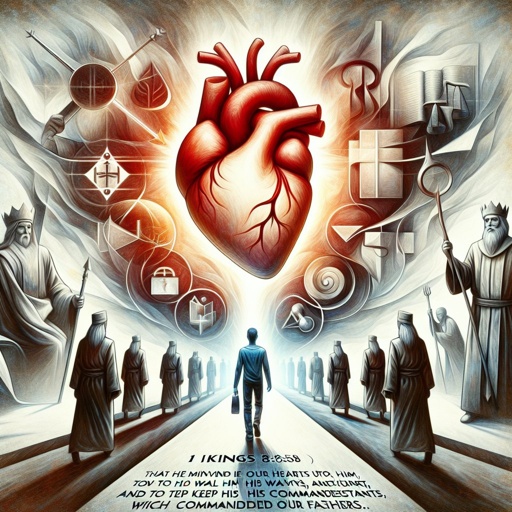
1 Kings 8:58 - "That he may incline our hearts unto him, to walk in all his ways, and to keep his commandments, and his statutes, and his judgments, which he commanded our fathers."

Isaiah 58:8 - "¶ Then shall thy light break forth as the morning, and thine health shall spring forth speedily: and thy righteousness shall go before thee; the glory of the LORD shall be thy rereward."
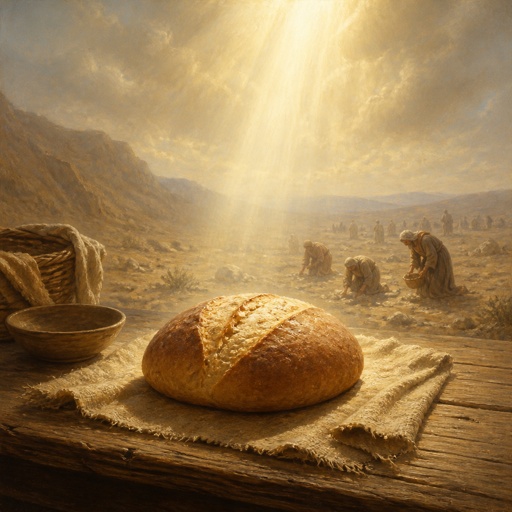
"This is that bread which came down from heaven: not as your fathers did eat manna, and are dead: he that eateth of this bread shall live for ever." - John 6:58

John 8

John 8:44

John 8:44

John 8:44

John 8:8 - "And again he stooped down, and wrote on the ground."

John 8:12

John 8:12

John 8:12

John 8:12
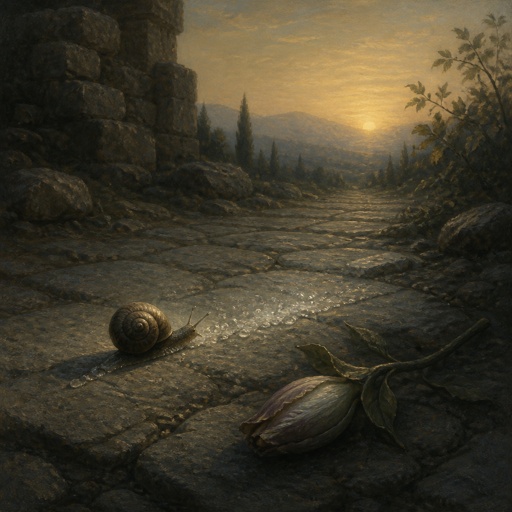
"As a snail which melteth, let every one of them pass away: like the untimely birth of a woman, that they may not see the sun." - Psalms 58:8
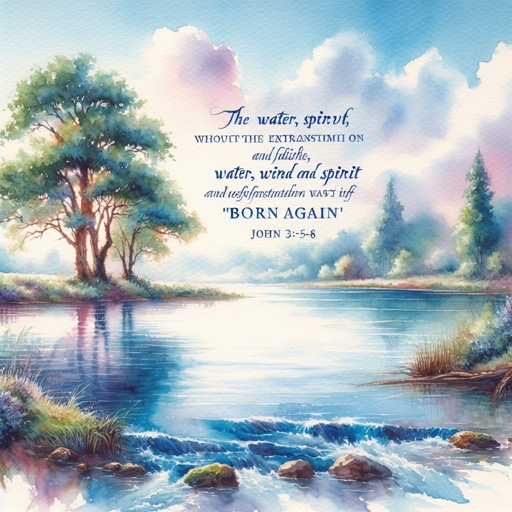
John 3:5-8

John 6:8-9

John 15:1-8

John 3:5-8

John 8:4-11

John 3:3-8

John 3:5-8

John 8:1 - "Jesus went unto the mount of Olives."

John 8:27 - "They understood not that he spake to them of the Father."

"And again he stooped down, and wrote on the ground." - John 8:8