What does John 8:35 mean?
"And the servant abideth not in the house for ever: but the Son abideth ever." - John 8:35

John 8:35 (KJV) - "And the servant abideth not in the house for ever: but the Son abideth ever."
Context:
In the Gospel of John, chapter 8, we find Jesus engaged in a heated debate with the Pharisees. The Pharisees had been challenging Jesus' authority and questioning his teachings. In response, Jesus speaks of his divine nature and the difference between being a servant and being a son in the household of God. This verse is part of a larger discourse in which Jesus is explaining to the Pharisees the nature of their relationship with God and their need for spiritual freedom.
Meaning:
The verse John 8:35 is a profound statement made by Jesus, illustrating the difference between being a servant and being a son in the household of God. In the biblical context, a servant was not a permanent member of the household; their position was temporal and ultimately subject to change. However, a son was a permanent member of the household, with all the rights and privileges that came with that status. By using this analogy, Jesus is emphasizing his eternal and unchanging nature as the Son of God, compared to the temporary and changing nature of a servant.
Furthermore, Jesus is using this analogy to highlight the difference between those who have a superficial relationship with God and those who have an intimate and eternal relationship with Him. The servants, in this context, can be understood as representing those who had a superficial or transactional relationship with God, only seeking Him for temporary benefits, while the Son represents those who have a deep and permanent connection with God.
Themes:
The themes present in this verse are the divine sonship of Jesus and the concept of spiritual inheritance. Jesus asserts his eternal and unchanging nature as the Son of God, highlighting the divine authority and permanence of his relationship with the Father. This theme emphasizes the unique and special position of Jesus as the Son of God and the privileges and responsibilities that come with that title. Additionally, the concept of spiritual inheritance is expressed in this verse, as Jesus is highlighting the permanence and security of the relationship with God that comes with being a son in His household.
Symbols:
The symbolism of the house as the household of God represents the spiritual realm and the relationship between God and humanity. The servant symbolizes the temporary and transactional nature of some people's relationship with God, while the Son symbolizes the intimate and eternal connection with God that comes through faith and obedience.
Application:
This verse has significant implications for believers as it calls us to respond to God not as mere servants, seeking temporary benefit, but as sons and daughters, seeking a permanent and intimate relationship with Him. It challenges us to examine the depth and permanence of our relationship with God and to strive for a deeper, more intimate connection with Him. Additionally, this verse emphasizes the eternal nature of our inheritance as children of God, underscoring the security and permanence of our spiritual relationship with Him.
In conclusion, John 8:35 is a powerful and profound statement made by Jesus, highlighting the eternal and unchanging nature of his divine sonship and the deep connection that believers can have with God. This verse calls us to move beyond a transactional or superficial relationship with God and to seek an intimate and permanent connection with Him as sons and daughters in His household. It reminds us of the security and permanence of our spiritual inheritance as children of God.
Have questions about John 8:35?
Dive deeper into this scripture with Bible Chat — an AI-powered tool for exploring God's Word through conversation. Ask questions, get context, and grow in your understanding of the Bible.
Get Our Apps


John 8:35 Artwork

John 8:35 - "And the servant abideth not in the house for ever: but the Son abideth ever."

"And the servant abideth not in the house for ever: but the Son abideth ever." - John 8:35

John (11:35) Jesus wept.

John (11:35) Jesus wept.

John (11:35) Jesus wept.

John (11:35) Jesus wept.

John (11:35) Jesus wept.

John (11:35) Jesus wept.

John 11:35

John 11:35

John 1:35 - "¶ Again the next day after John stood, and two of his disciples;"

John (11:35) Jesus wept.
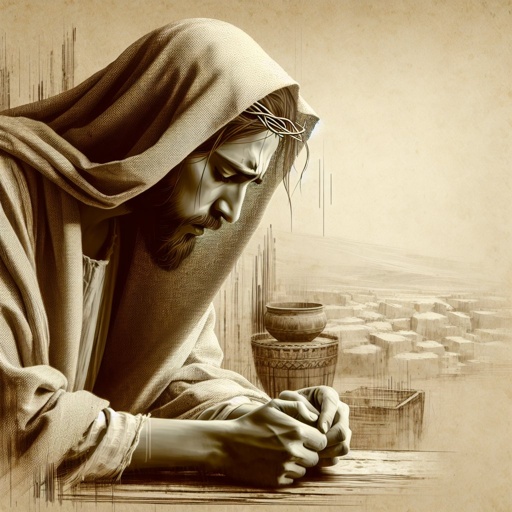
John 11:35 - "Jesus wept."

John (11:35) Jesus wept.

John (11:35) Jesus wept.

John (11:35) Jesus wept.

John (11:35) Jesus wept.

John (11:35) Jesus wept.

John (11:35) Jesus wept.

John (11:35) Jesus wept.

John 13:31-35

"Jesus wept." - John 11:35

Mark 8:35

Mark 8:35

Mark 8:35

Mark 8:35

Romans 8:35

Mark 8:27 - 35

John 3:35 - "The Father loveth the Son, and hath given all things into his hand."

Mark 8:27 - 35