What does John 8:22 mean?
"Then said the Jews, Will he kill himself? because he saith, Whither I go, ye cannot come." - John 8:22
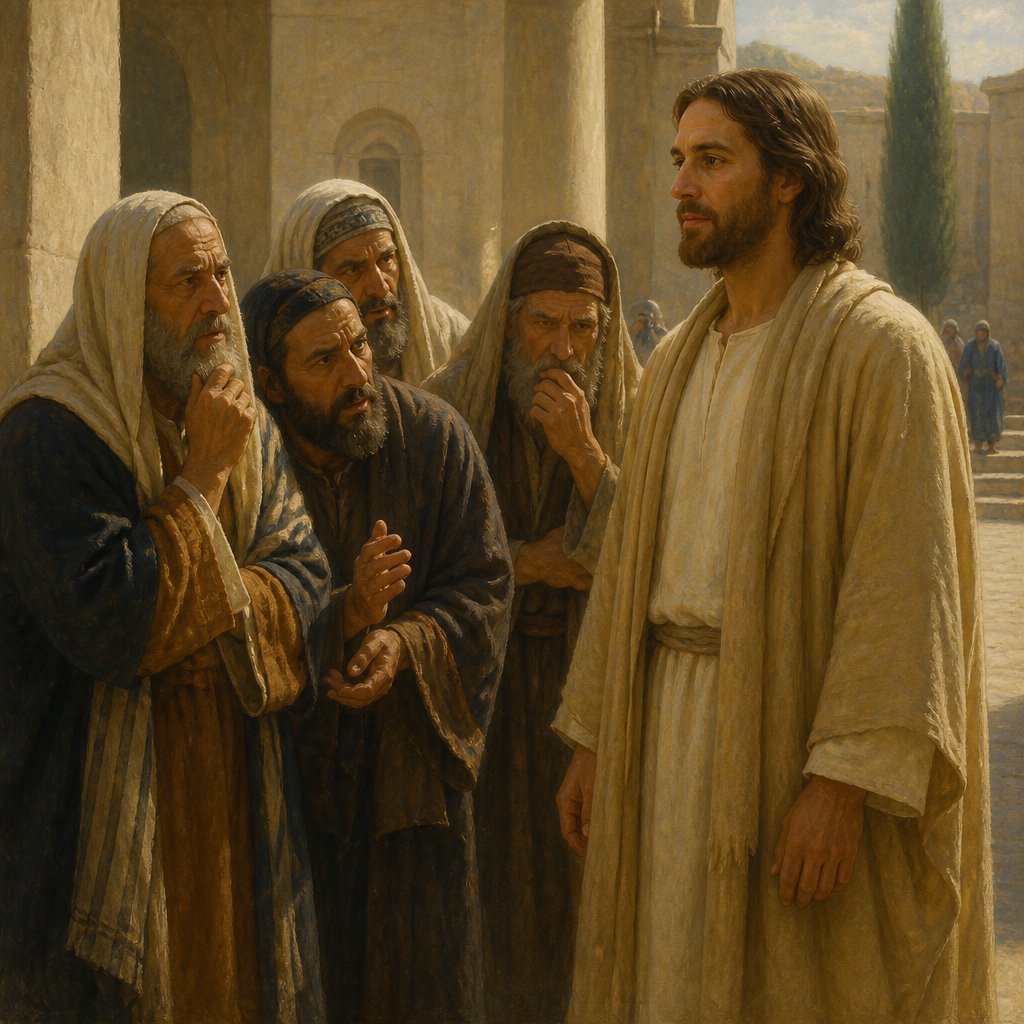
John 8:22 in the King James Version of the Bible reads, “Then said the Jews, Will he kill himself? because he saith, Whither I go, ye cannot come.” This verse is part of a larger passage in the Gospel of John, in which Jesus is speaking to a group of Jews. This particular verse comes in the middle of a conversation in which Jesus is explaining his departure from Earth and the fact that the Jews will not be able to follow him. In this verse, the Jews are questioning Jesus’ words and wondering if he will kill himself because he is claiming that they cannot go where he is going.
One of the key themes in this passage is the idea of Jesus’ divinity and the limitation of human understanding. Jesus has been speaking about his Father and his heavenly origin, and the Jews struggle to comprehend this. They are so focused on the material and physical world that they cannot understand Jesus’ spiritual and divine nature. The theme of faith also emerges in this passage, as Jesus is challenging the Jews to believe in him and his words, even though they cannot fully understand them.
Contextually, this verse comes in the midst of a larger narrative in the Gospel of John, which focuses on the teachings and miracles of Jesus. In the chapters leading up to this verse, Jesus has been engaged in various interactions with the Jews and religious leaders, often challenging their beliefs and traditions. John 8:22 comes at a point in the story where the tension between Jesus and the Jews is particularly high, as they are struggling to understand and accept his message.
Symbolically, this verse carries several layers of meaning. First, Jesus’ statement “Whither I go, ye cannot come” can be interpreted as a reference to his upcoming death, resurrection, and ascension. Jesus is preparing his disciples for his departure from Earth and emphasizing the fact that they cannot follow him at that time. This points to the idea of Jesus’ unique role as the divine Savior, whose mission involves sacrifice and redemption.
Furthermore, the Jews’ question about Jesus killing himself can be seen as a metaphor for their disbelief and rejection of Jesus’ message. They are unable to grasp the spiritual truth that Jesus is presenting to them and are instead looking for a physical explanation for his words. This symbolizes the broader theme of human resistance to faith and the limitations of human understanding when it comes to divine matters.
In terms of application, John 8:22 challenges readers to reflect on their own faith and understanding of Jesus’ teachings. It prompts us to consider whether we are too focused on the material and earthly aspects of life at the expense of spiritual truths. It also encourages us to examine our willingness to trust in Jesus’ words, even when they may be difficult to comprehend or accept. This verse calls us to deepen our faith and open our hearts to the mysteries of God’s plan, just as Jesus urged the Jews to do in his interaction with them.
In conclusion, John 8:22 is a thought-provoking and multi-layered verse that delves into the themes of faith, divine revelation, and human limitation. It captures a crucial moment in the interactions between Jesus and the Jews, highlighting the struggle to understand and accept the truth of Jesus’ message. This verse challenges us to examine our own faith and openness to the spiritual reality that Jesus represents, urging us to trust in his words and divine purpose.
Have questions about John 8:22?
Dive deeper into this scripture with Bible Chat — an AI-powered tool for exploring God's Word through conversation. Ask questions, get context, and grow in your understanding of the Bible.
Get Our Apps


John 8:22 Artwork

John 8:22 - "Then said the Jews, Will he kill himself? because he saith, Whither I go, ye cannot come."
"Then said the Jews, Will he kill himself? because he saith, Whither I go, ye cannot come." - John 8:22

Luke 22:8 - "And he sent Peter and John, saying, Go and prepare us the passover, that we may eat."

Revelation 22:8 - "And I John saw these things, and heard them. And when I had heard and seen, I fell down to worship before the feet of the angel which shewed me these things."
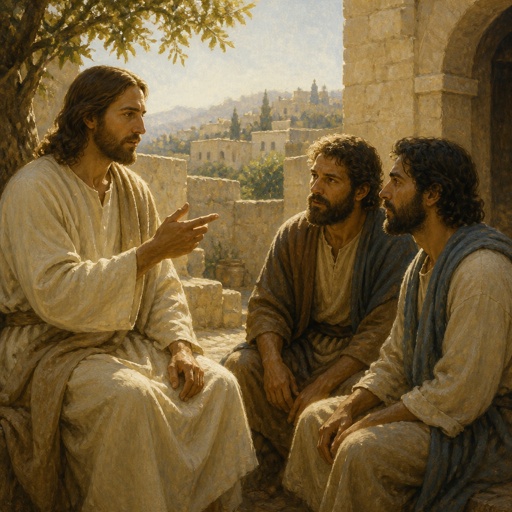
"And he sent Peter and John, saying, Go and prepare us the passover, that we may eat." - Luke 22:8

John 10:22 - "¶ And it was at Jerusalem the feast of the dedication, and it was winter."

John 8

John 8:44

John 8:44

John 8:44

John 8:8 - "And again he stooped down, and wrote on the ground."

John 8:12

John 8:12

John 8:12

John 8:12

Genesis 22-8

John 13:22 - "Then the disciples looked one on another, doubting of whom he spake."
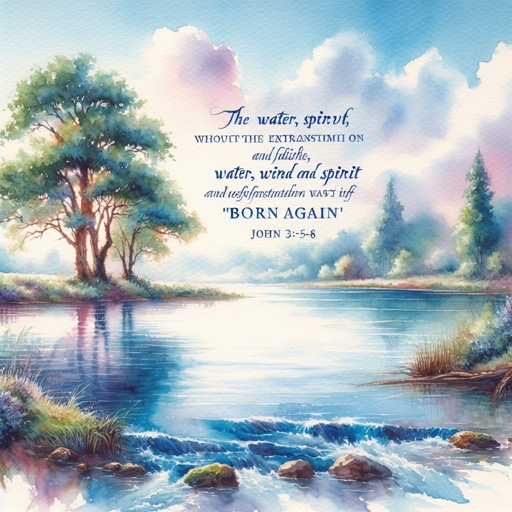
John 3:5-8

John 6:8-9

John 15:1-8

John 3:5-8

John 8:4-11
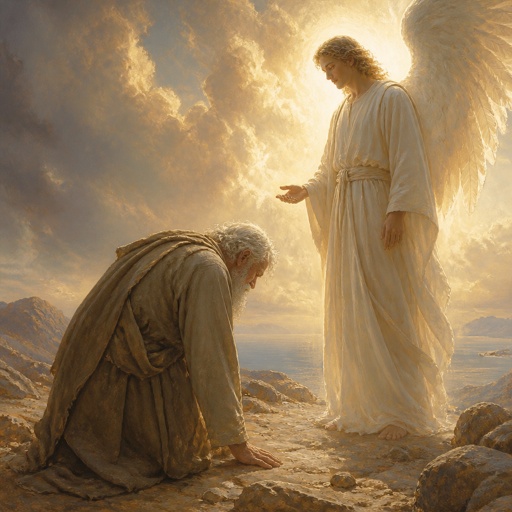
"And I John saw these things, and heard them. And when I had heard and seen, I fell down to worship before the feet of the angel which shewed me these things." - Revelation 22:8

John 5:22 - "For the Father judgeth no man, but hath committed all judgment unto the Son:"

John 19:22 - "Pilate answered, What I have written I have written."

John 3:3-8

John 3:5-8

John 12:22 - "Philip cometh and telleth Andrew: and again Andrew and Philip tell Jesus."

Proverbs 8:22-36

Proverbs 8:22-31