What does John 7:48 mean?
"Have any of the rulers or of the Pharisees believed on him?" - John 7:48
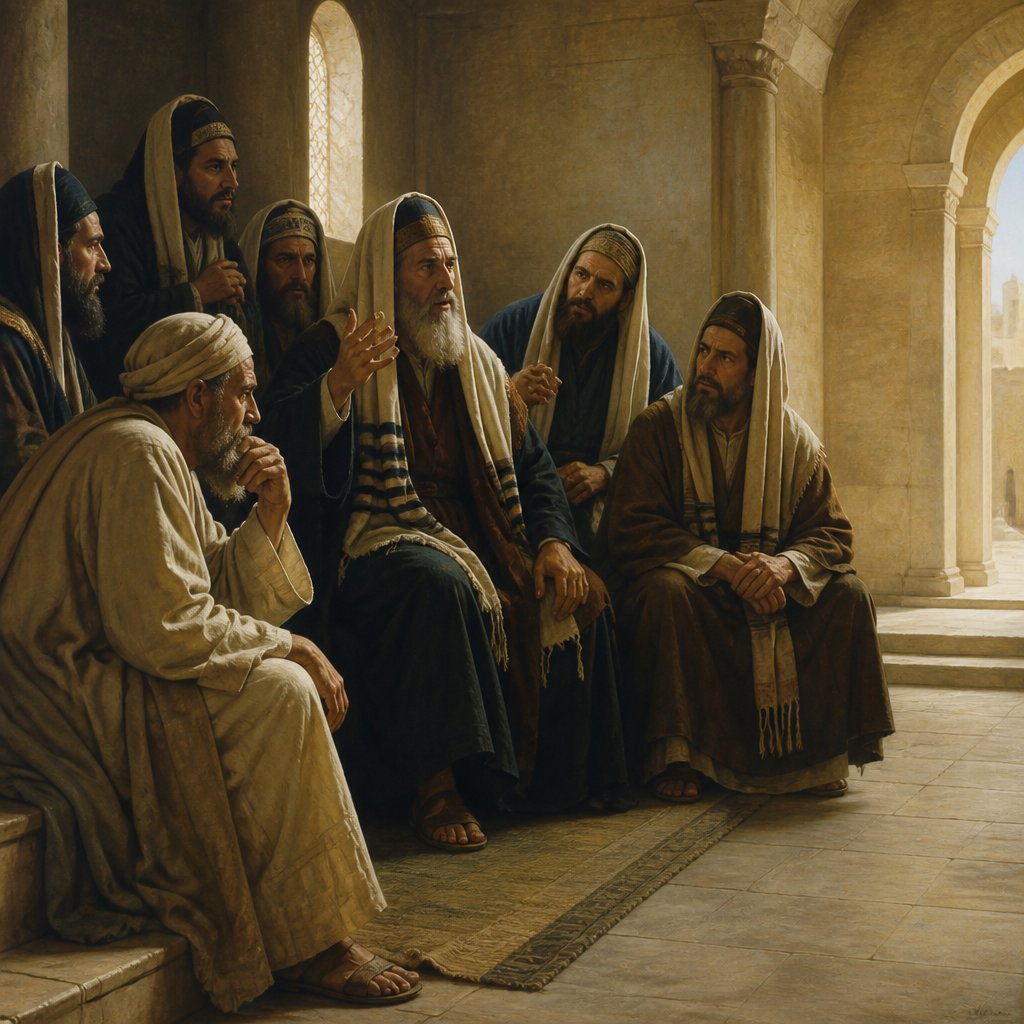
John 7:48 (KJV) states: "Have any of the rulers or of the Pharisees believed on him?"
This verse is part of a larger passage in the Gospel of John, which recounts the events of Jesus' ministry and the reactions of the people around him. In this particular verse, the religious leaders, or "rulers and Pharisees," are questioning whether any of their own number have come to believe in Jesus as the Messiah.
The context of this verse is important for understanding its meaning. In the preceding verses, we see Jesus teaching in the temple during the Feast of Tabernacles. The people are divided in their opinions of him, with some declaring him to be a prophet, while others expressing skepticism and unbelief. The religious leaders are among those who are skeptical of Jesus, as they feel threatened by his teachings and the following he has gathered.
The question posed in John 7:48 reflects the attitude of the religious elite towards Jesus. The "rulers and Pharisees" are expressing incredulity at the idea of one of their own number believing in Jesus. Their question is not one of genuine curiosity, but rather one of disdain and dismissal. They are unwilling to entertain the possibility that anyone with their education, status, and authority would align themselves with Jesus.
This verse highlights a major theme within the Gospel of John, which is the dichotomy between belief and unbelief. Throughout the text, we see Jesus reaching out to those who are open to receiving him, while also encountering hostility and rejection from those who refuse to believe in him. In this passage, the religious leaders represent the epitome of unbelief, as they are not only unconvinced by Jesus' message, but actively oppose and seek to discredit him.
The symbolism of this verse lies in the contrast between the religious leaders' rejection of Jesus and the acceptance of him by other characters in the gospel. The rulers and Pharisees, who are supposed to be the spiritual guides and authorities, are shown to be spiritually blind and closed off to the truth. This serves as a warning against the dangers of pride, self-righteousness, and rigid adherence to tradition, which can prevent one from recognizing and accepting the work of God when it is presented.
The question posed in John 7:48 also serves as a challenge to the reader. It prompts us to consider our own attitudes towards Jesus and to reflect on whether we are open to his message or if we are guilty of the same unbelief as the religious leaders. It invites us to examine whether we are willing to set aside our preconceived notions and biases in order to truly consider the claims of Christ.
In conclusion, John 7:48 from the King James Version of the Bible is a significant verse within the Gospel of John that highlights the theme of belief versus unbelief. It serves as a commentary on the attitudes of the religious leaders towards Jesus and prompts the reader to consider their own response to his message. The verse carries a powerful symbolic meaning, warning against spiritual blindness and challenging us to examine our own hearts and minds in relation to the person and teachings of Jesus.
Have questions about John 7:48?
Dive deeper into this scripture with Bible Chat — an AI-powered tool for exploring God's Word through conversation. Ask questions, get context, and grow in your understanding of the Bible.
Get Our Apps


John 7:48 Artwork

John 7:48 - "Have any of the rulers or of the Pharisees believed on him?"
"Have any of the rulers or of the Pharisees believed on him?" - John 7:48

John 6:48 - "I am that bread of life."
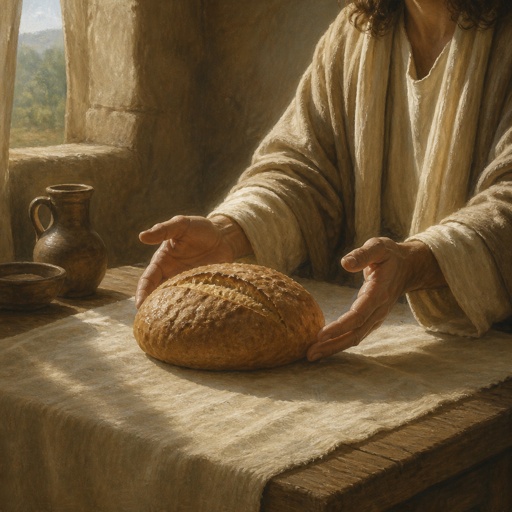
"I am that bread of life." - John 6:48

John 4:48 - "Then said Jesus unto him, Except ye see signs and wonders, ye will not believe."

Nehemiah 7:48 - "The children of Lebana, the children of Hagaba, the children of Shalmai,"

Psalms 48:7 - "Thou breakest the ships of Tarshish with an east wind."

John 8:48 - "Then answered the Jews, and said unto him, Say we not well that thou art a Samaritan, and hast a devil?"

Luke 7:48 - "And he said unto her, Thy sins are forgiven."

Acts 7:48 - "Howbeit the most High dwelleth not in temples made with hands; as saith the prophet,"

Numbers 7:48 - "¶ On the seventh day Elishama the son of Ammihud, prince of the children of Ephraim, offered:"

Ezekiel 48:7 - "And by the border of Reuben, from the east side unto the west side, a portion for Judah."

John 11:48 - "If we let him thus alone, all men will believe on him: and the Romans shall come and take away both our place and nation."
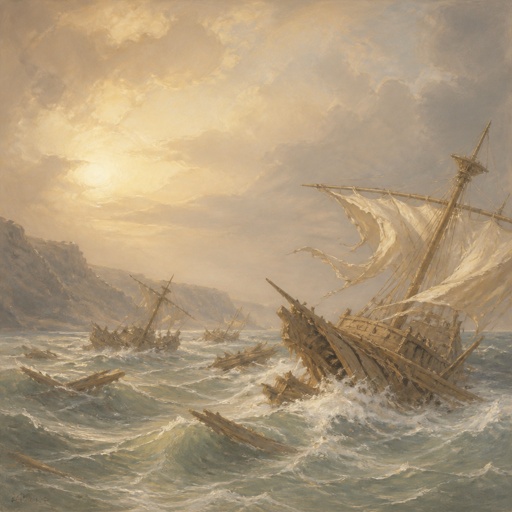
"Thou breakest the ships of Tarshish with an east wind." - Psalms 48:7
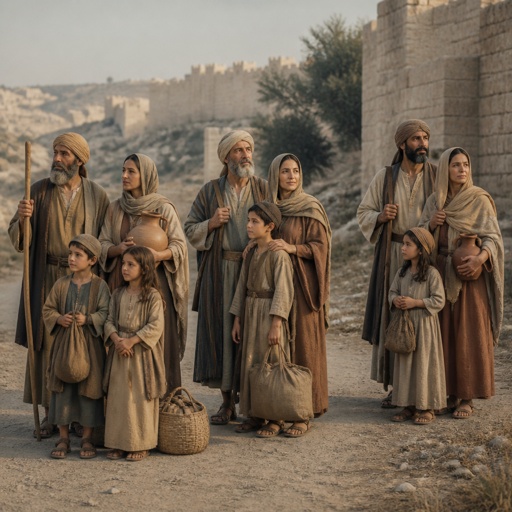
"The children of Lebana, the children of Hagaba, the children of Shalmai," - Nehemiah 7:48

John 12:48 - "He that rejecteth me, and receiveth not my words, hath one that judgeth him: the word that I have spoken, the same shall judge him in the last day."

1 Kings 7:48 - "And Solomon made all the vessels that pertained unto the house of the LORD: the altar of gold, and the table of gold, whereupon the shewbread was,"
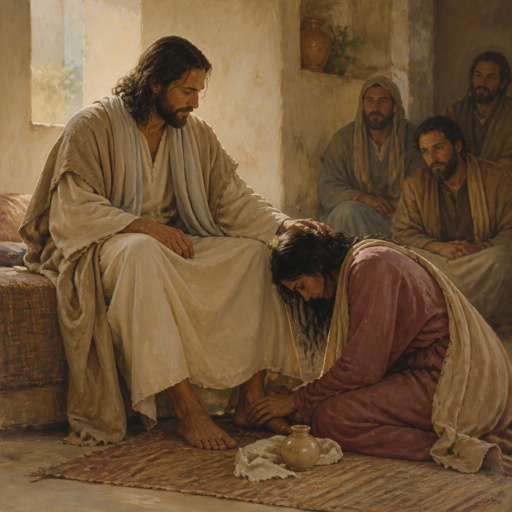
"And he said unto her, Thy sins are forgiven." - Luke 7:48
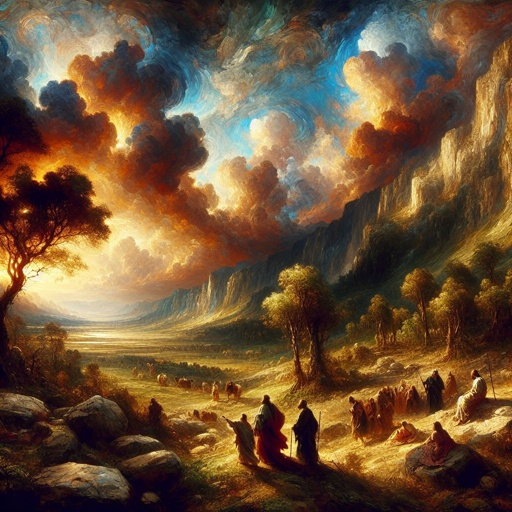
John 7:38

John 15:7

John 7:38
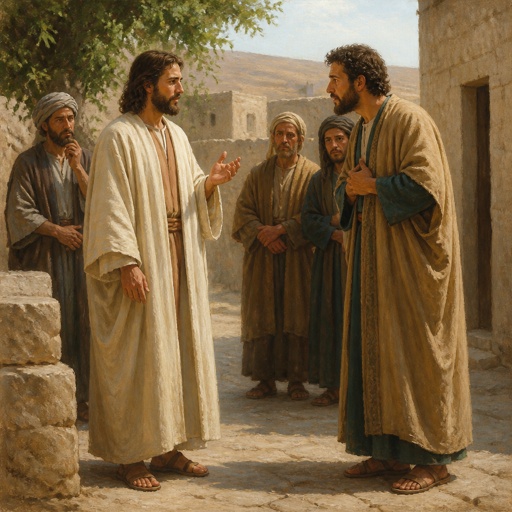
"Then said Jesus unto him, Except ye see signs and wonders, ye will not believe." - John 4:48

Isaiah 48:7 - "They are created now, and not from the beginning; even before the day when thou heardest them not; lest thou shouldest say, Behold, I knew them."

John 15:7

John 7:38

John 7:38

John 7:17-18

John 7:37-39

John 7:17-18

John 7:37-39