What does John 7:31 mean?
"And many of the people believed on him, and said, When Christ cometh, will he do more miracles than these which this man hath done?" - John 7:31
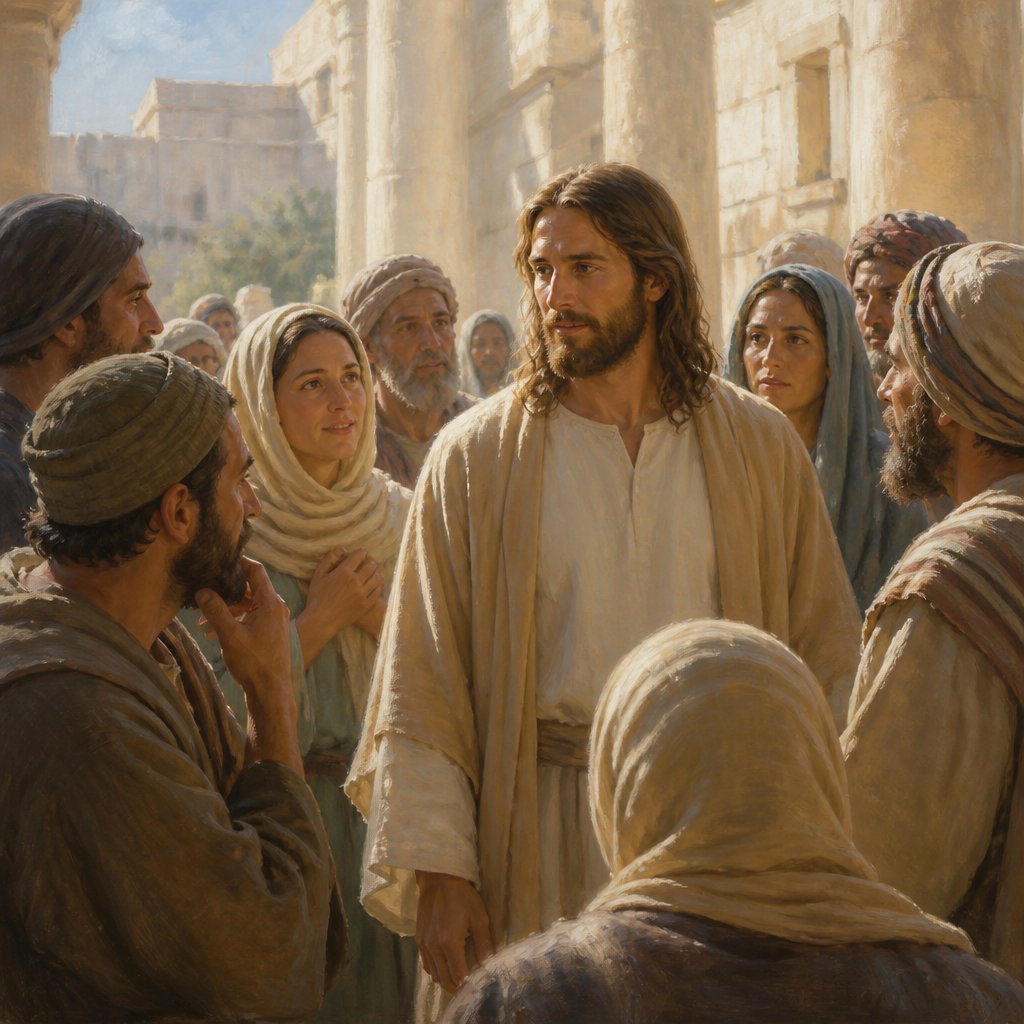
The Bible verse John 7:31 from the King James Version (KJV) reads, "And many of the people believed on him, and said, When Christ cometh, will he do more miracles than these which this man hath done?" This verse is a part of the larger context of the Gospel of John, which is the fourth book of the New Testament in the Bible. The Gospel of John is believed to have been written by the apostle John, and it is known for its unique perspective on the life and teachings of Jesus Christ.
In the preceding verses, Jesus is teaching in the temple during the feast of Tabernacles, and there is a great deal of discussion and debate about who Jesus is and whether or not he is the Messiah. In verse 31, it is noted that many of the people present at this event believed in Jesus and acknowledged the miracles and signs that he had performed. However, there is also a sense of skepticism and doubt among some of the people, as evidenced by the question they pose about whether or not the coming Messiah will do even greater miracles than Jesus.
One of the key themes present in this verse is the concept of belief and faith. Throughout the Gospel of John, there is a strong emphasis on the importance of believing in Jesus as the Son of God and the Savior of the world. This verse highlights the fact that many of the people present at the feast of Tabernacles did indeed believe in Jesus and his miraculous works. However, it also raises the question of what it truly means to believe in Jesus and the doubts that can sometimes accompany faith.
Another important theme in this verse is the identity of Jesus as the Messiah. The people's question about whether the coming Christ will perform even greater miracles than Jesus indicates that they are grappling with the idea of Jesus as the long-awaited Messiah. Throughout the Gospel of John, Jesus repeatedly claims to be the Son of God and the fulfillment of Old Testament prophecies about the Messiah, and this verse is another example of the ongoing debate and uncertainty surrounding his identity.
Additionally, this verse serves as a reflection of the broader context of the gospel and the historical and religious background of the time. The Feast of Tabernacles was a significant event in the Jewish calendar, and it was a time when people gathered to celebrate and remember God's provision and faithfulness to the Israelites during their time in the wilderness. The fact that Jesus was teaching and performing miracles during this festival would have added to the significance and impact of his words and actions.
Symbolically, this verse represents the ongoing tension and division surrounding Jesus' ministry. On one hand, there are those who believe in him and acknowledge his miraculous works, while on the other hand, there are those who are still grappling with doubts and questions about his identity. This tension and division would ultimately lead to Jesus' crucifixion and the spread of his message throughout the world.
In conclusion, John 7:31 from the King James Version of the Bible is a significant verse that reflects the themes of belief, identity, and division within the context of Jesus' ministry. It serves as a reminder of the ongoing debate and uncertainty surrounding the person and mission of Jesus Christ, and it also highlights the importance of faith and belief in the face of doubt and skepticism.
Have questions about John 7:31?
Dive deeper into this scripture with Bible Chat — an AI-powered tool for exploring God's Word through conversation. Ask questions, get context, and grow in your understanding of the Bible.
Get Our Apps


John 7:31 Artwork

John 7:31 - "And many of the people believed on him, and said, When Christ cometh, will he do more miracles than these which this man hath done?"
"And many of the people believed on him, and said, When Christ cometh, will he do more miracles than these which this man hath done?" - John 7:31

John 20:30-31

John 13:31-35

John 5:31 - "If I bear witness of myself, my witness is not true."

John 16:31 - "Jesus answered them, Do ye now believe?"

John 10:31 - "Then the Jews took up stones again to stone him."

John 4:31 - "¶ In the mean while his disciples prayed him, saying, Master, eat."

John 12:31 - "Now is the judgment of this world: now shall the prince of this world be cast out."

Mark 7:31-37

Mark 7:31-37

Nehemiah 7:31 - "The men of Michmas, an hundred and twenty and two."
John 7:38

John 15:7

John 7:38

John 7:38

John 15:7

John 7:38

John 7:17-18

John 7:37-39

John 7:17-18

John 7:37-39

John 6:31 - "Our fathers did eat manna in the desert; as it is written, He gave them bread from heaven to eat."

John 7:17-18

John 7:17-18

John 13:31 - "¶ Therefore, when he was gone out, Jesus said, Now is the Son of man glorified, and God is glorified in him."

John 1:31 - "And I knew him not: but that he should be made manifest to Israel, therefore am I come baptizing with water."

John 7:38

John 8:31 - "Then said Jesus to those Jews which believed on him, If ye continue in my word, then are ye my disciples indeed;"

John 9:31 - "Now we know that God heareth not sinners: but if any man be a worshipper of God, and doeth his will, him he heareth."