What does John 7:27 mean?
"Howbeit we know this man whence he is: but when Christ cometh, no man knoweth whence he is." - John 7:27

John 7:27 (KJV) states: "Howbeit we know this man whence he is: but when Christ cometh, no man knoweth whence he is."
This verse is part of a larger passage in the Gospel of John, where Jesus is speaking at the Feast of Tabernacles. The Jews were debating whether or not Jesus was the Messiah, and this verse captures the uncertainty and confusion surrounding His identity and origins. The context of this verse is important in understanding its deeper meaning and significance.
One of the central themes in this verse is the mystery of Jesus' identity. The Jews believed that they knew where Jesus came from and who He was, but they were unable to fully comprehend His divine nature and mission. This verse foreshadows the revelation of Jesus as the Messiah and the Son of God, and highlights the enigmatic nature of His arrival on earth. The coming of the Christ is shrouded in mystery, and even those who seek to understand Him are unable to grasp the full extent of His origins and purpose.
Furthermore, this verse underscores the contrast between the human and divine aspects of Jesus. The Jews' limited understanding of Jesus' earthly origins stands in stark contrast to His divine nature and eternal existence. This verse serves as a reminder that Jesus is not merely a man of earthly origins, but rather the manifestation of the unsearchable wisdom and power of God.
Symbolism plays a crucial role in interpreting this verse. The concept of Christ's unknown origin symbolizes the transcendence of His divine nature beyond human understanding. It also symbolizes the humility and hiddenness of Jesus' true identity, which is only revealed to those who believe in Him and seek to know Him. Additionally, the mystery surrounding Christ's origins alludes to His pre-existence and eternality, as He existed before His incarnation and will continue to exist for all eternity.
The broader theological implications of this verse are significant. It points to the incomprehensibility of God's ways and the limitations of human knowledge in understanding the divine. It challenges the reader to have faith in the midst of uncertainty and to trust in the sovereignty of God, even when His ways seem mysterious and unfathomable. Ultimately, this verse calls us to acknowledge the divine nature of Christ and His unique standing as the Son of God, whose true origins surpass human understanding.
In conclusion, John 7:27 (KJV) captures the perplexity and wonder surrounding Jesus' identity and origins. It invites us to contemplate the mystery of Christ's divine nature and His eternal existence, while also challenging us to have faith in the midst of uncertainty. This verse serves as a reminder of the transcendence and unfathomable wisdom of God, and calls us to trust in His divine plan and purpose.
Have questions about John 7:27?
Dive deeper into this scripture with Bible Chat — an AI-powered tool for exploring God's Word through conversation. Ask questions, get context, and grow in your understanding of the Bible.
Get Our Apps


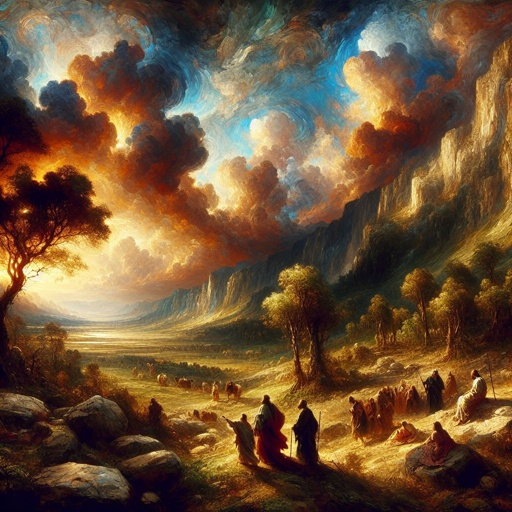
John 7:27 Artwork

John 7:27 - "Howbeit we know this man whence he is: but when Christ cometh, no man knoweth whence he is."

"Howbeit we know this man whence he is: but when Christ cometh, no man knoweth whence he is." - John 7:27

John 20:27

John 20:27

John 19:25-27

1 John 2:27

John 3:27 - "John answered and said, A man can receive nothing, except it be given him from heaven."

1 John 2:27

John 19:25-27

John 19:26-27

1 John 2:27

1 John 2:27

John 18:27 - "Peter then denied again: and immediately the cock crew."

John 8:27 - "They understood not that he spake to them of the Father."

John 19:25-27 with emphasis on Mary
John 7:38

John 15:7

John 7:38

John 7:38

John 15:7

John 7:38

John 7:17-18

John 7:37-39

John 7:17-18

John 7:37-39

Proverbs 7:26-27

John 7:17-18

John 7:17-18

John 10:27 - "My sheep hear my voice, and I know them, and they follow me:"

Matthew 7:24-27