What does John 6:71 mean?
"He spake of Judas Iscariot the son of Simon: for he it was that should betray him, being one of the twelve." - John 6:71
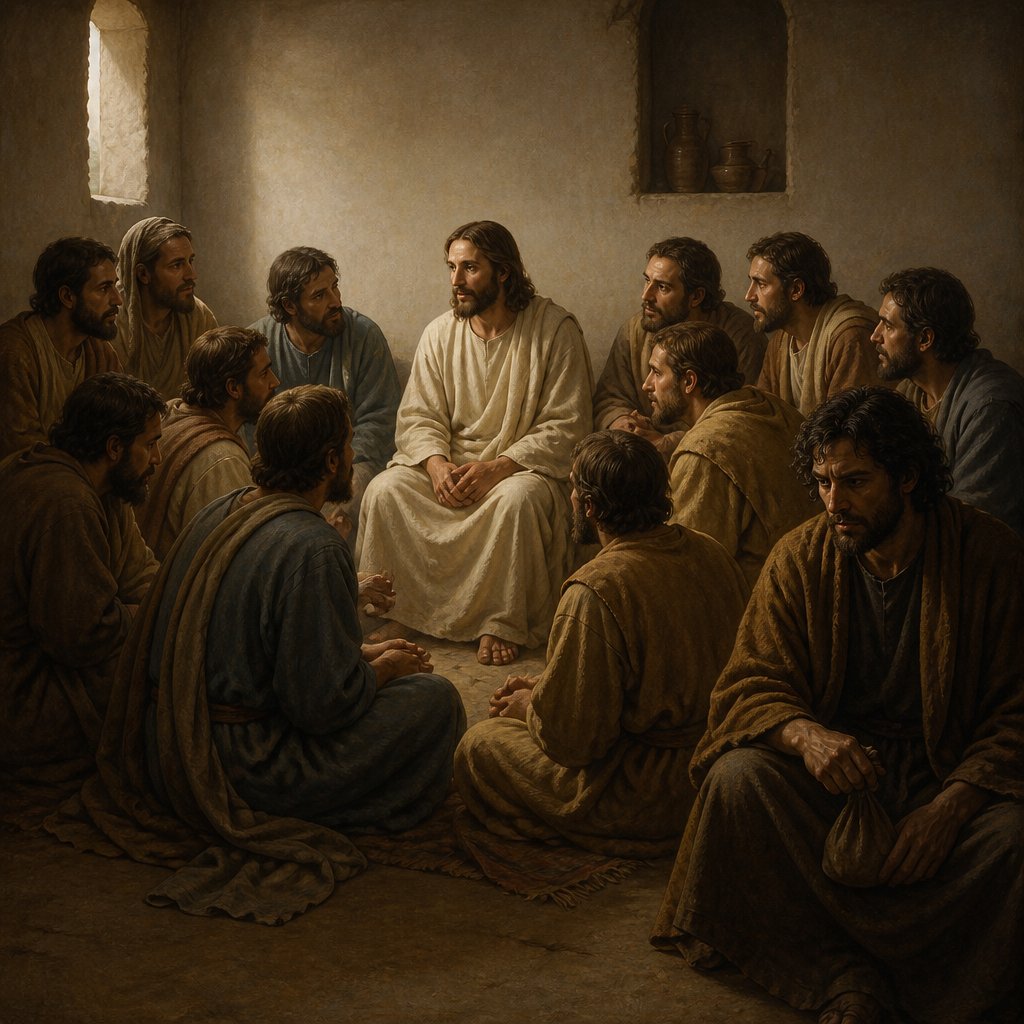
John 6:71 (KJV) states, "He spake of Judas Iscariot the son of Simon: for he it was that should betray him, being one of the twelve." This verse comes at a pivotal moment in the Gospel of John, just as Jesus is starting to reveal the depth of his identity and the mission that he is to fulfill. The context of this verse is important for understanding the significance of Judas Iscariot's betrayal and its ultimate purpose in the greater narrative of Jesus' life and ministry.
In this verse, Jesus is in the midst of a discourse with his disciples, following his miraculous feeding of the 5,000. He has just finished speaking about the necessity of partaking of his body and blood in order to receive eternal life. This teaching was difficult for many of his followers to accept, and as a result, many of them chose to leave Jesus and no longer follow him. It is in this moment of rejection that Jesus speaks about Judas Iscariot's betrayal.
The betrayal of Judas Iscariot is a theme that runs throughout the New Testament, and its significance cannot be overstated. Judas was one of the twelve disciples chosen by Jesus, and he was privy to the intimate teachings and miracles of Jesus. Yet, despite this closeness to the Messiah, Judas ultimately betrays Jesus to the religious authorities, leading to Jesus' arrest, trial, and crucifixion. The betrayal of Judas is a stark reminder of the human capacity for treachery and the depth of Jesus' sacrifice for humanity.
The context of John 6:71 is also important for understanding the symbolic meaning of Judas Iscariot's betrayal. In his betrayal, Judas represents the forces of darkness and evil that seek to undermine and oppose the work of God. Yet, despite the betrayal and the suffering that it brings, Jesus' ultimate purpose in coming to earth is to offer himself as a sacrifice for the sins of humanity. The betrayal of Judas is a necessary part of this plan, as it leads to Jesus' crucifixion and subsequent resurrection, which ultimately brings salvation and redemption to all who believe in him.
The symbolism of Judas' betrayal is also reflective of the larger spiritual conflict between good and evil. Throughout the Gospels, Jesus faces opposition from various sources, including the religious leaders, demons, and the Roman authorities. Judas' betrayal is a reflection of this larger spiritual battle, as he becomes an instrument of evil in seeking to undermine the work of God in the world. Yet, ultimately, the betrayal of Judas serves to further the purposes of God and to bring about the fulfillment of his redemptive plan for humanity.
In conclusion, John 6:71 is a verse that carries deep spiritual and symbolic meaning within the larger narrative of Jesus' life and ministry. The betrayal of Judas Iscariot serves as a reminder of the human capacity for treachery and the depth of Jesus' sacrifice for humanity. It also reflects the larger spiritual conflict between good and evil and the ultimate triumph of God's redemptive plan. As we reflect on this verse, we are reminded of the profound implications of Jesus' sacrifice and the ultimate victory that he achieves over sin and death.
Have questions about John 6:71?
Dive deeper into this scripture with Bible Chat — an AI-powered tool for exploring God's Word through conversation. Ask questions, get context, and grow in your understanding of the Bible.
Get Our Apps


John 6:71 Artwork
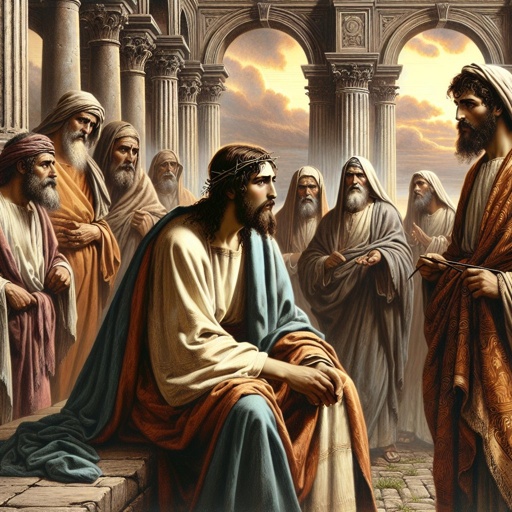
John 6:71 - "He spake of Judas Iscariot the son of Simon: for he it was that should betray him, being one of the twelve."
"He spake of Judas Iscariot the son of Simon: for he it was that should betray him, being one of the twelve." - John 6:71

1 Chronicles 6:71 - "Unto the sons of Gershom were given out of the family of the half tribe of Manasseh, Golan in Bashan with her suburbs, and Ashtaroth with her suburbs:"

Psalms 71:6 - "By thee have I been holden up from the womb: thou art he that took me out of my mother's bowels: my praise shall be continually of thee."

John 1:6 - "¶ There was a man sent from God, whose name was John."

John 6:63

John 6:63

John 6:63

John 6:63

"Unto the sons of Gershom were given out of the family of the half tribe of Manasseh, Golan in Bashan with her suburbs, and Ashtaroth with her suburbs:" - 1 Chronicles 6:71

John 6:12

John 6:40

John 21:6

John 14:6

John 21:6

John 6:16

John 6:37

John 21:6

John 6:40

John 21:6

John 6:8-9

JOHN 6:11-13

John 6:6 - "And this he said to prove him: for he himself knew what he would do."

John 4:6-7

John 6:48 - "I am that bread of life."

John 6:4 - "And the passover, a feast of the Jews, was nigh."

"By thee have I been holden up from the womb: thou art he that took me out of my mother's bowels: my praise shall be continually of thee." - Psalms 71:6

"¶ There was a man sent from God, whose name was John." - John 1:6

John 6:18 - "And the sea arose by reason of a great wind that blew."

John 6:20 - "But he saith unto them, It is I; be not afraid."