What does John 6:7 mean?
"Philip answered him, Two hundred pennyworth of bread is not sufficient for them, that every one of them may take a little." - John 6:7
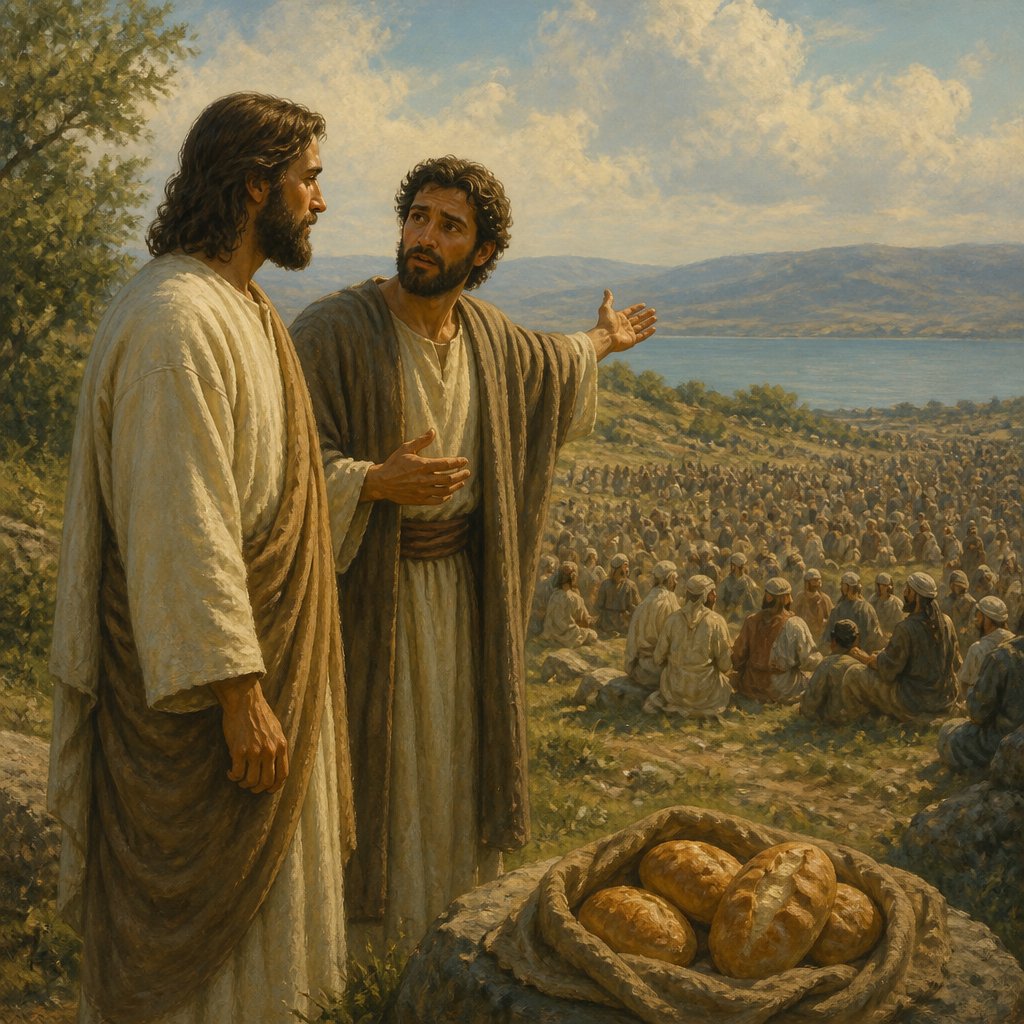
John 6:7 (KJV) says, "Philip answered him, Two hundred pennyworth of bread is not sufficient for them, that every one of them may take a little."
This verse is part of the larger context of John 6, which narrates the well-known story of Jesus feeding the five thousand. The verse specifically occurs in the dialogue between Jesus and Philip, one of his disciples, as they faced the dilemma of feeding a large crowd of people who had gathered to hear Jesus teach. In this verse, Philip expresses doubt and uncertainty about how to provide enough food for the multitude.
The theme of provision and trust is central to this verse. Philip's response reveals his lack of faith in the face of a seemingly impossible situation. He calculates the cost of feeding the crowd and concludes that it would take more money than they have to provide even a small amount of food for each person. This reveals a mindset focused on scarcity and limitation, lacking the faith to believe that Jesus could perform a miracle to meet the needs of the people.
This verse also highlights the limitations of human thinking and understanding. Philip's response is a natural one, considering the practical challenges of feeding such a large group of people with limited resources. However, Jesus was about to demonstrate that human limitations are not a barrier to God's ability to provide abundantly. In the verses that follow, Jesus miraculously multiplies five loaves of bread and two fish to feed the entire crowd, with plenty of leftovers.
The context of this verse is important for understanding its full significance. Jesus was about to perform a miraculous sign that would reveal his power and identity as the Son of God. The feeding of the five thousand was not just about satisfying physical hunger; it was a demonstration of Jesus's authority over the natural world and a foreshadowing of the spiritual nourishment he offers to all who believe in him.
Symbolically, this verse can be seen as a reflection of the human condition. Like Philip, we often face situations that seem insurmountable and beyond our ability to handle. We are tempted to rely on our own understanding and resources, rather than trusting in God's provision and sufficiency. This verse challenges us to shift our focus from what we can do in our own strength to what God can do through his power and grace.
Ultimately, this verse points to the deep spiritual truth that Jesus is the Bread of Life. In the verses that follow, Jesus declares, "I am the bread of life: he that cometh to me shall never hunger; and he that believeth on me shall never thirst" (John 6:35, KJV). The physical feeding of the five thousand served as a tangible illustration of the spiritual reality that Jesus offers eternal sustenance to all who come to him in faith.
In conclusion, John 6:7 in the King James Version of the Bible captures a moment of doubt and limitation in the disciples' response to a seemingly impossible situation. However, it also sets the stage for Jesus to perform a miraculous sign that would reveal his true identity and the depth of his care for the needs of the people. This verse challenges us to trust in God's provision and to recognize Jesus as the ultimate source of spiritual nourishment. It serves as a reminder that our human limitations are no match for God's power and sufficiency.
Have questions about John 6:7?
Dive deeper into this scripture with Bible Chat — an AI-powered tool for exploring God's Word through conversation. Ask questions, get context, and grow in your understanding of the Bible.
Get Our Apps


John 6:7 Artwork

John 6:7 - "Philip answered him, Two hundred pennyworth of bread is not sufficient for them, that every one of them may take a little."
"Philip answered him, Two hundred pennyworth of bread is not sufficient for them, that every one of them may take a little." - John 6:7

John 4:6-7

John 7:6 - "Then Jesus said unto them, My time is not yet come: but your time is alway ready."
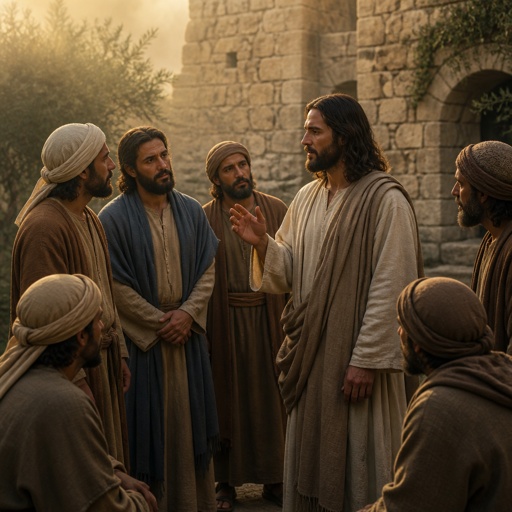
"Then Jesus said unto them, My time is not yet come: but your time is alway ready." - John 7:6

John 1:6 - "¶ There was a man sent from God, whose name was John."

John 6:63

John 6:63

John 7:38

John 15:7

John 7:38

John 6:63

John 6:63

John 7:38

John 15:7

John 7:38

John 7:17-18

John 7:37-39

John 7:17-18

John 7:37-39

John 9:6-7 - "After saying this, he spit on the ground, made some mud with the saliva, and put it on the man’s eyes. "Go," he told him, "wash in the Pool of Siloam" (this word means "Sent"). So the man went and washed, and came home seeing."

John 7:17-18

John 7:17-18
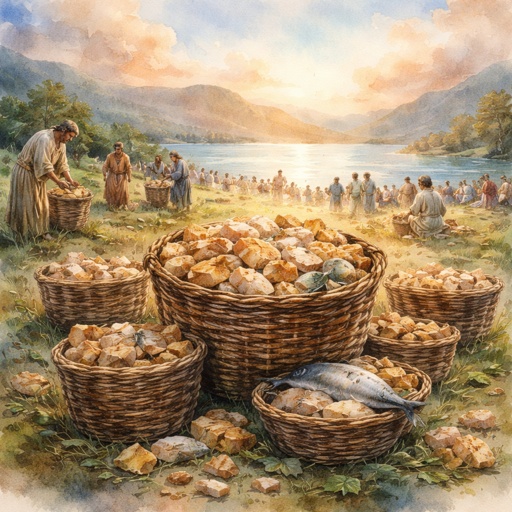
John 6:12

John 6:40

John 21:6

John 14:6

John 7:38

John 21:6

John 6:16