What does John 6:54 mean?
"Whoso eateth my flesh, and drinketh my blood, hath eternal life; and I will raise him up at the last day." - John 6:54
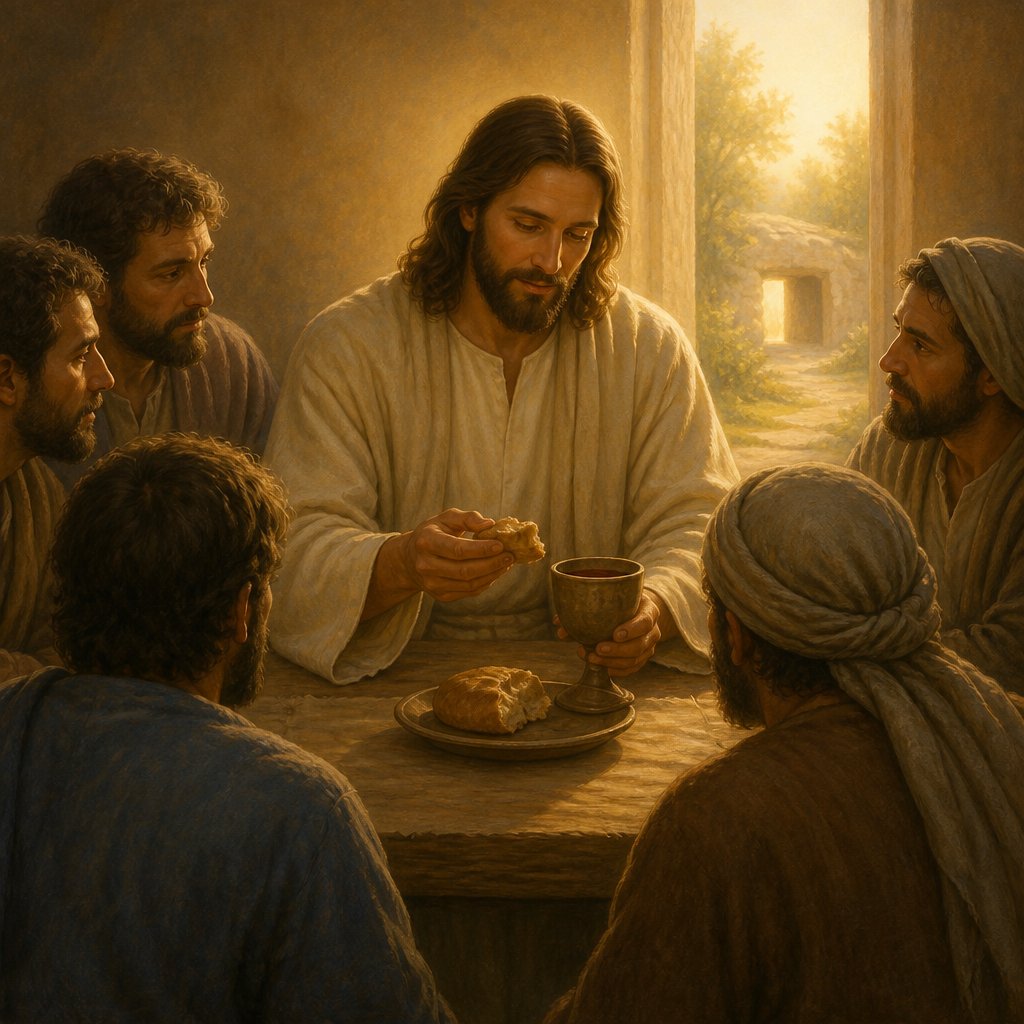
John 6:54 - "Whoso eateth my flesh, and drinketh my blood, hath eternal life; and I will raise him up at the last day."
This verse, spoken by Jesus in the Gospel of John, is part of a larger discourse in which Jesus speaks about himself as the "bread of life" and the source of eternal sustenance for believers. The language of eating his flesh and drinking his blood is rich with symbolism and theological significance, and has been a source of much debate and discussion within Christian theology.
In order to fully understand the meaning of this verse, it is important to consider the context in which it was spoken. In the preceding verses, Jesus has just performed the miracle of feeding the five thousand with five loaves of bread and two fish. The people are amazed by this miracle and begin to see Jesus as a prophet or even the Messiah. They follow him to Capernaum, where Jesus begins to teach them about the true meaning of the miracle they witnessed.
Jesus uses this opportunity to speak about the bread of life, and how he is the true source of spiritual nourishment. He tells the crowd that their ancestors ate manna in the desert, but that he is the true bread that comes down from heaven and gives life to the world. He then declares that whoever eats his flesh and drinks his blood will have eternal life and will be raised up on the last day.
This language of eating Jesus' flesh and drinking his blood is clearly meant to be understood symbolically rather than literally. Jesus is not advocating for cannibalism, but rather he is using this imagery to convey a deeper spiritual truth. In the Christian tradition, this language is understood in the context of the Eucharist, or Communion, in which bread and wine are consumed as a remembrance of Jesus' sacrifice on the cross.
The themes present in this verse are profound and multifaceted. One of the primary themes is that of spiritual sustenance and eternal life. Jesus is presenting himself as the ultimate source of nourishment for the soul, and he promises that those who partake of him will have eternal life. This echoes the themes of salvation and the ultimate fulfillment of God's promises to his people.
Another important theme in this verse is that of unity and communion with Jesus. By speaking of eating his flesh and drinking his blood, Jesus is emphasizing the need for a deep, personal relationship with him. This language of consuming Jesus suggests a level of intimacy and closeness that is essential for believers. It also points to the idea of union with Christ, in which believers are united with him in his life, death, and resurrection.
The imagery in this verse also has strong ties to the Old Testament. References to eating flesh and drinking blood would have been deeply resonant for Jesus' Jewish audience, as these were actions associated with the sacrificial system and the covenant relationship with God. By using this language, Jesus is drawing on these powerful symbols to communicate his role as the ultimate sacrifice and the fulfillment of God's promises.
In Christian theology, this verse has been a source of rich reflection and debate. It has been interpreted in various ways by different Christian traditions, and has been a central point of disagreement between Catholics and Protestants regarding the nature of the Eucharist. Catholics view this verse as a direct reference to the Eucharist, in which the bread and wine are believed to become the actual body and blood of Christ. Protestants, on the other hand, tend to interpret this language more symbolically, seeing the Eucharist as a memorial rather than a physical transformation.
In conclusion, John 6:54 is a powerful and complex verse that speaks to the deepest mysteries of the Christian faith. It is a profound meditation on the nature of Jesus as the source of eternal life and the ultimate sustenance for the soul. It also speaks to the intimate union and communion that believers have with Christ, and the powerful symbolism of the Eucharist as a remembrance of his sacrifice. This verse continues to be a source of deep reflection and contemplation for Christians as they seek to understand the profound mystery of Jesus' presence in their lives.
Have questions about John 6:54?
Dive deeper into this scripture with Bible Chat — an AI-powered tool for exploring God's Word through conversation. Ask questions, get context, and grow in your understanding of the Bible.
Get Our Apps


John 6:54 Artwork

John 6:54 - "Whoso eateth my flesh, and drinketh my blood, hath eternal life; and I will raise him up at the last day."
"Whoso eateth my flesh, and drinketh my blood, hath eternal life; and I will raise him up at the last day." - John 6:54
John 4:54 - "This is again the second miracle that Jesus did, when he was come out of Judaea into Galilee."

Mark 6:54 - "And when they were come out of the ship, straightway they knew him,"
John 8:54 - "Jesus answered, If I honour myself, my honour is nothing: it is my Father that honoureth me; of whom ye say, that he is your God:"

John 11:54 - "Jesus therefore walked no more openly among the Jews; but went thence unto a country near to the wilderness, into a city called Ephraim, and there continued with his disciples."

Psalms 54:6 - "I will freely sacrifice unto thee: I will praise thy name, O LORD; for it is good."

1 Chronicles 6:54 - "¶ Now these are their dwelling places throughout their castles in their coasts, of the sons of Aaron, of the families of the Kohathites: for their's was the lot."

Luke 9:54 - "And when his disciples James and John saw this, they said, Lord, wilt thou that we command fire to come down from heaven, and consume them, even as Elias did?"
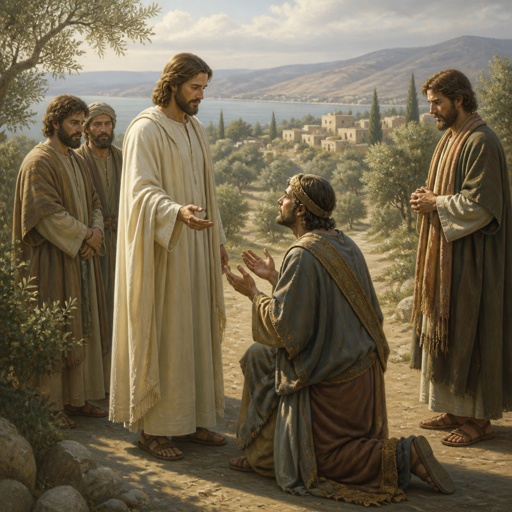
"This is again the second miracle that Jesus did, when he was come out of Judaea into Galilee." - John 4:54

Isaiah 54:6 - "For the LORD hath called thee as a woman forsaken and grieved in spirit, and a wife of youth, when thou wast refused, saith thy God."
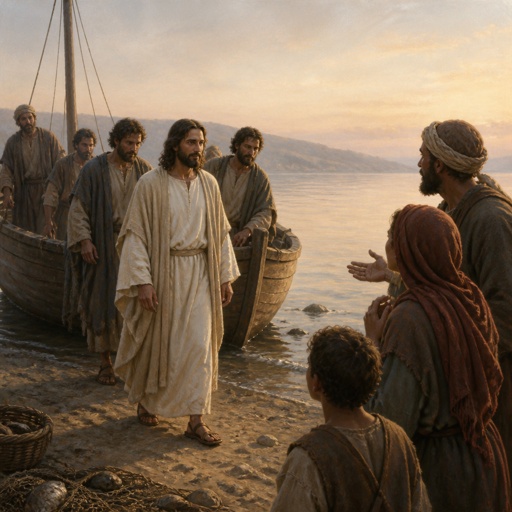
"And when they were come out of the ship, straightway they knew him," - Mark 6:54
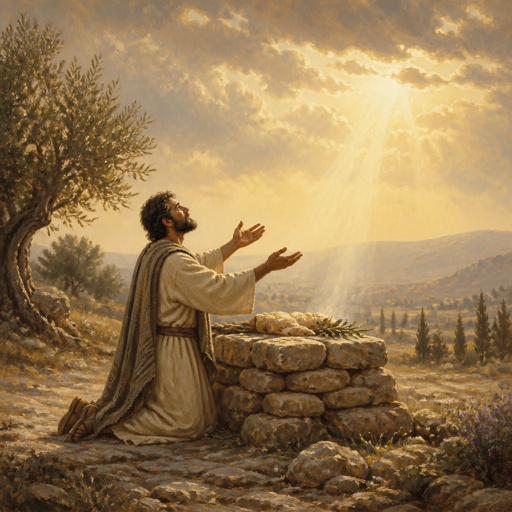
"I will freely sacrifice unto thee: I will praise thy name, O LORD; for it is good." - Psalms 54:6
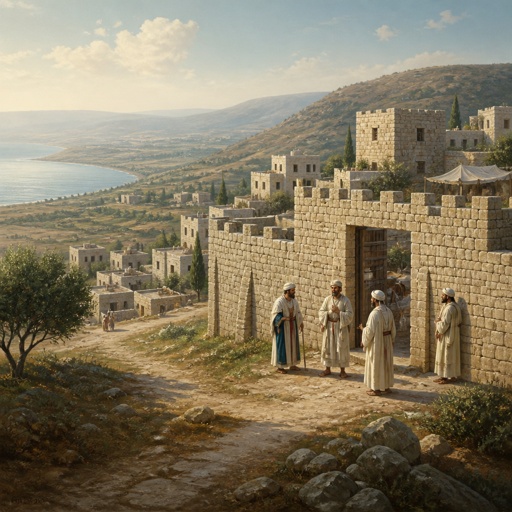
"¶ Now these are their dwelling places throughout their castles in their coasts, of the sons of Aaron, of the families of the Kohathites: for their's was the lot." - 1 Chronicles 6:54
John 1:6 - "¶ There was a man sent from God, whose name was John."

John 6:63

John 6:63
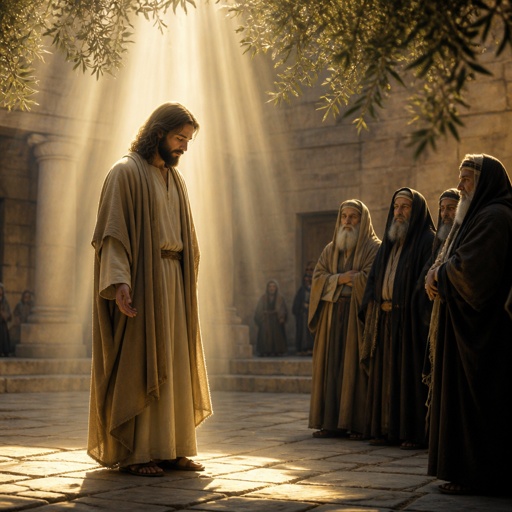
"Jesus answered, If I honour myself, my honour is nothing: it is my Father that honoureth me; of whom ye say, that he is your God:" - John 8:54

John 6:63

John 6:63
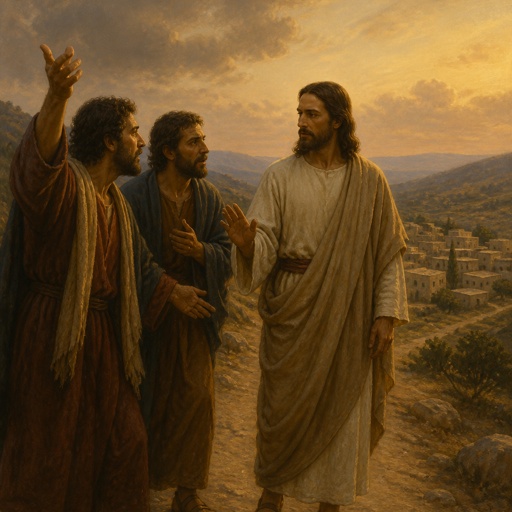
"And when his disciples James and John saw this, they said, Lord, wilt thou that we command fire to come down from heaven, and consume them, even as Elias did?" - Luke 9:54
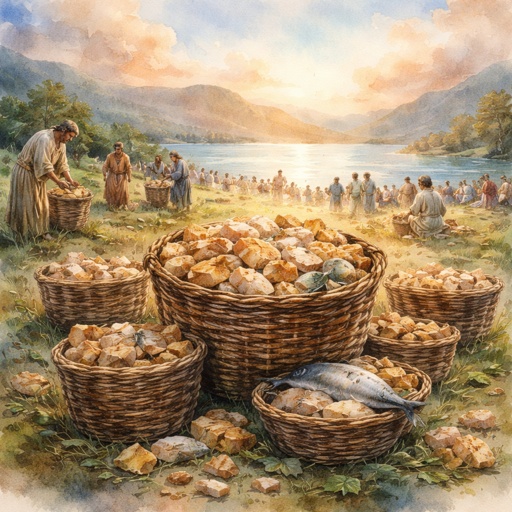
John 6:12

John 6:40

John 21:6

John 14:6

John 21:6

John 6:16

John 6:37

John 21:6

John 6:40