What does John 6:48 mean?
"I am that bread of life." - John 6:48
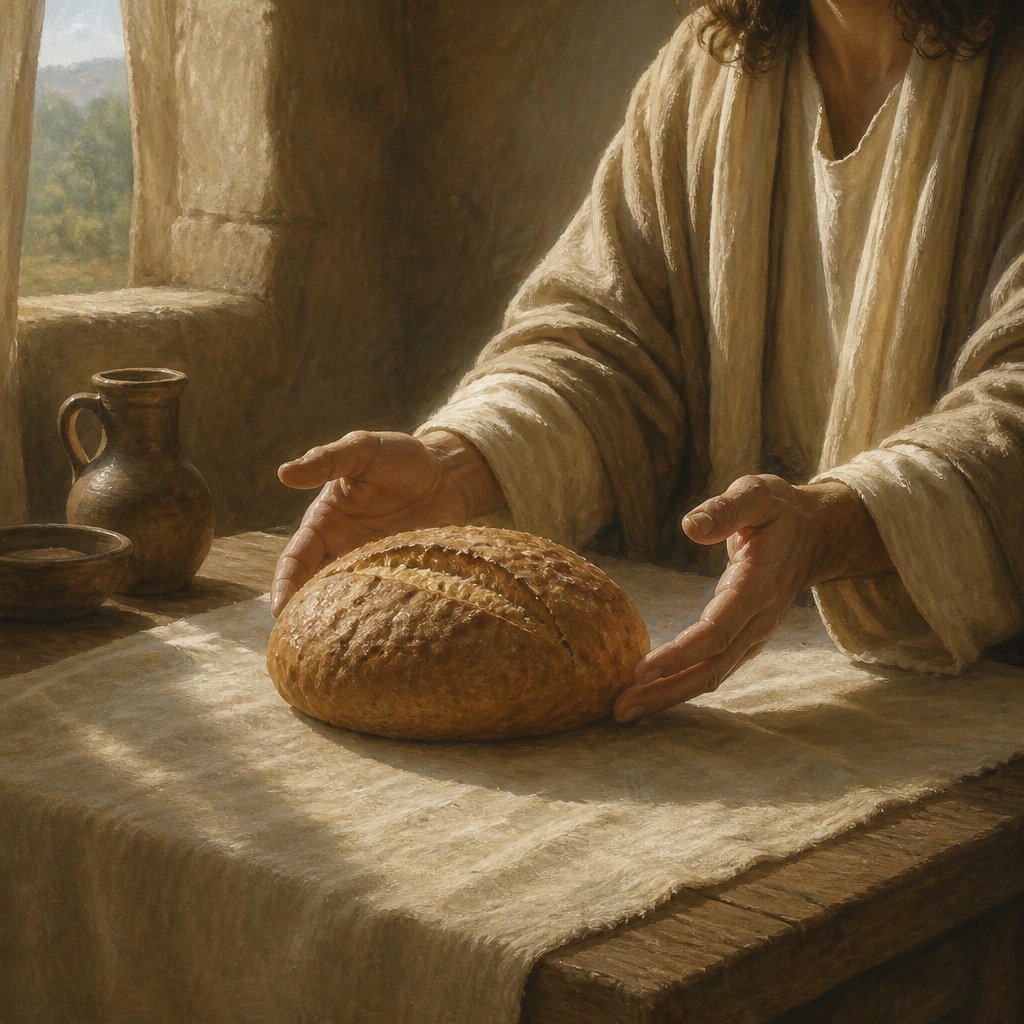
John 6:48 from the King James Version of the Bible reads, "I am that bread of life." This verse is part of a larger passage in which Jesus speaks to the crowds about the bread of life. In order to fully understand the meaning and significance of this verse, it is important to examine the surrounding context and the themes that are present in the Gospel of John.
The Gospel of John is distinct from the other three gospels (Matthew, Mark, and Luke) in that it focuses more on the divinity of Jesus and his identity as the Son of God. Throughout the Gospel, there are several "I am" statements made by Jesus that emphasize his divine nature and his role in bringing salvation to humanity. These statements serve to reveal different aspects of Jesus' character and purpose, and they often relate to important symbols and themes.
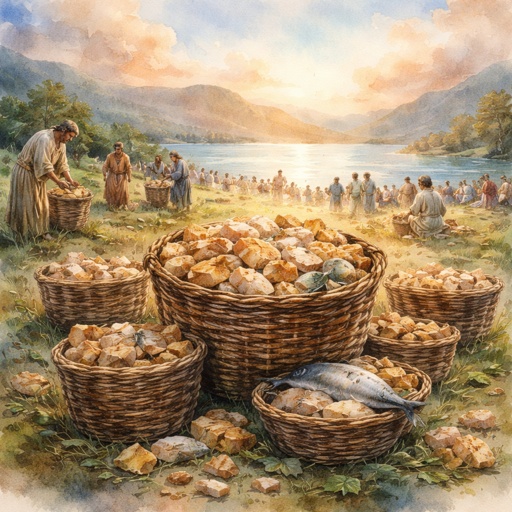
In the verses leading up to John 6:48, Jesus performs the miracle of feeding the five thousand with just five loaves of bread and two fish. Following this miracle, the crowd seeks Jesus, and he responds by addressing their deeper spiritual needs. He tells them that he is the bread of life, and that whoever comes to him will never hunger or thirst. This statement is significant in its symbolism and its revelation of Jesus' identity.
The theme of bread is a powerful and recurring symbol throughout the Bible, representing sustenance, provision, and even the presence of God. In the Old Testament, manna is provided to the Israelites as they journey through the desert, sustaining them on their way to the Promised Land. This serves as a precursor to the ultimate provision of Jesus, who offers himself as the true bread from heaven, sustaining and satisfying the deepest longings of the human soul.
When Jesus declares, "I am that bread of life," he is making a profound statement about his role in meeting the spiritual hunger and thirst of all people. It is not physical hunger that Jesus is concerned with, but rather the deep hunger of the soul for meaning, purpose, and spiritual fulfillment. He is declaring that he alone can satisfy this longing, and that those who come to him in faith will find true nourishment and life.
This verse also echoes the broader theme of Jesus as the fulfillment of Old Testament prophecies and promises. Throughout the Gospel of John, there are references to the manna in the wilderness and the imagery of bread, all pointing to Jesus as the ultimate provision from God. In declaring himself as the bread of life, Jesus is revealing his identity as the long-awaited Messiah, the one who brings true and lasting salvation to the world.
The context of John 6:48 also reveals the response of the crowd to Jesus' statement. Many of them struggle to understand and accept his words, leading to a deeper discourse on the significance of his sacrifice and the necessity of faith. This passage highlights the central challenge of faith in Jesus' ministry, as people grapple with his claims and their implications.
In conclusion, John 6:48 is a pivotal verse in the Gospel of John, encapsulating the themes of Jesus' divinity, his role as the provider of spiritual sustenance, and his fulfillment of Old Testament promises. It serves as a reminder that Jesus alone can satisfy the deepest longings of the human heart and that true fulfillment is found in relationship with him. As we reflect on this verse, may we be reminded of the profound significance of Jesus' sacrifice and the spiritual nourishment he offers to all who come to him in faith.
Have questions about John 6:48?
Dive deeper into this scripture with Bible Chat — an AI-powered tool for exploring God's Word through conversation. Ask questions, get context, and grow in your understanding of the Bible.
Get Our Apps


John 6:48 Artwork

John 6:48 - "I am that bread of life."
"I am that bread of life." - John 6:48

John 7:48 - "Have any of the rulers or of the Pharisees believed on him?"

John 4:48 - "Then said Jesus unto him, Except ye see signs and wonders, ye will not believe."

John 8:48 - "Then answered the Jews, and said unto him, Say we not well that thou art a Samaritan, and hast a devil?"

Jeremiah 48:6 - "Flee, save your lives, and be like the heath in the wilderness."
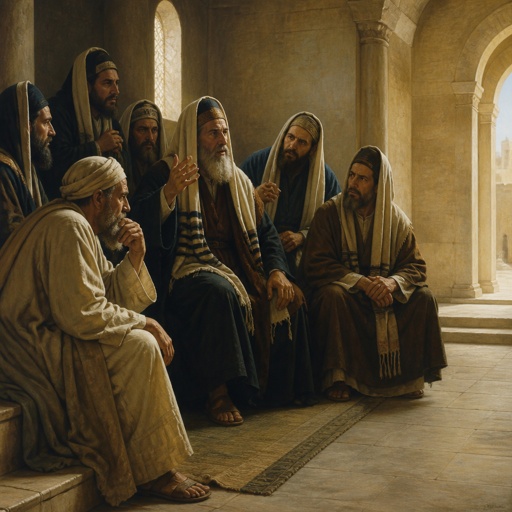
"Have any of the rulers or of the Pharisees believed on him?" - John 7:48

Psalms 48:6 - "Fear took hold upon them there, and pain, as of a woman in travail."

Ezekiel 48:6 - "And by the border of Ephraim, from the east side even unto the west side, a portion for Reuben."

John 11:48 - "If we let him thus alone, all men will believe on him: and the Romans shall come and take away both our place and nation."

1 Chronicles 6:48 - "Their brethren also the Levites were appointed unto all manner of service of the tabernacle of the house of God."

John 12:48 - "He that rejecteth me, and receiveth not my words, hath one that judgeth him: the word that I have spoken, the same shall judge him in the last day."
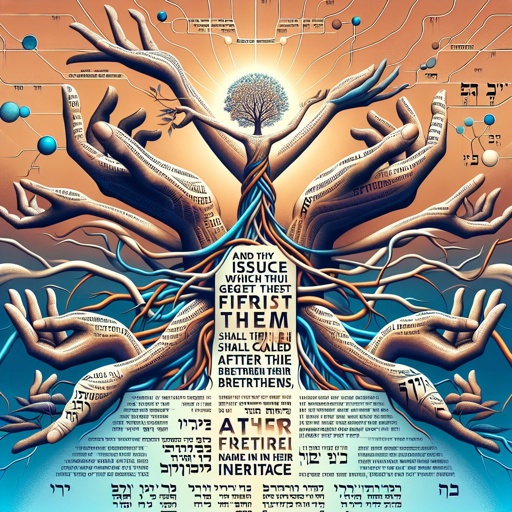
Genesis 48:6 - "And thy issue, which thou begettest after them, shall be thine, and shall be called after the name of their brethren in their inheritance."

"Flee, save your lives, and be like the heath in the wilderness." - Jeremiah 48:6
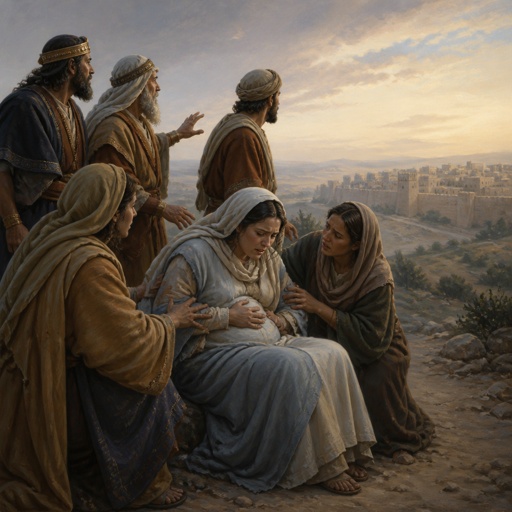
"Fear took hold upon them there, and pain, as of a woman in travail." - Psalms 48:6
John 1:6 - "¶ There was a man sent from God, whose name was John."

John 6:63

John 6:63
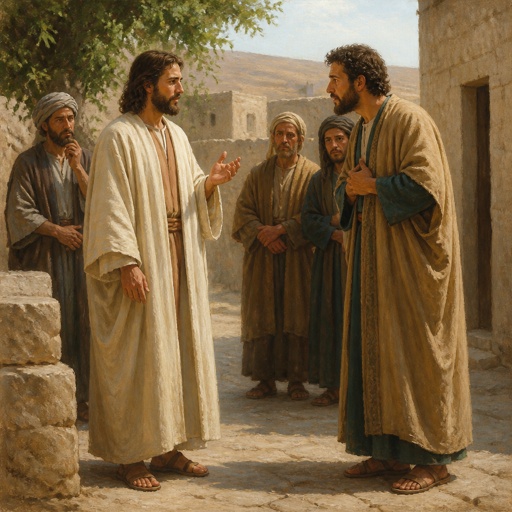
"Then said Jesus unto him, Except ye see signs and wonders, ye will not believe." - John 4:48

John 6:63

John 6:63
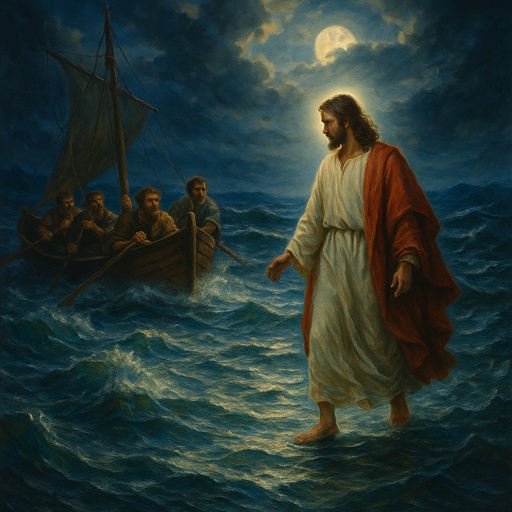
"And he saw them toiling in rowing; for the wind was contrary unto them: and about the fourth watch of the night he cometh unto them, walking upon the sea, and would have passed by them." - Mark 6:48

John 1:48 - "Nathanael saith unto him, Whence knowest thou me? Jesus answered and said unto him, Before that Philip called thee, when thou wast under the fig tree, I saw thee."
John 6:12

John 6:40

John 21:6

John 14:6

Isaiah 48:6 - "Thou hast heard, see all this; and will not ye declare it? I have shewed thee new things from this time, even hidden things, and thou didst not know them."

John 21:6

John 6:16