What does John 6:44 mean?
"No man can come to me, except the Father which hath sent me draw him: and I will raise him up at the last day." - John 6:44
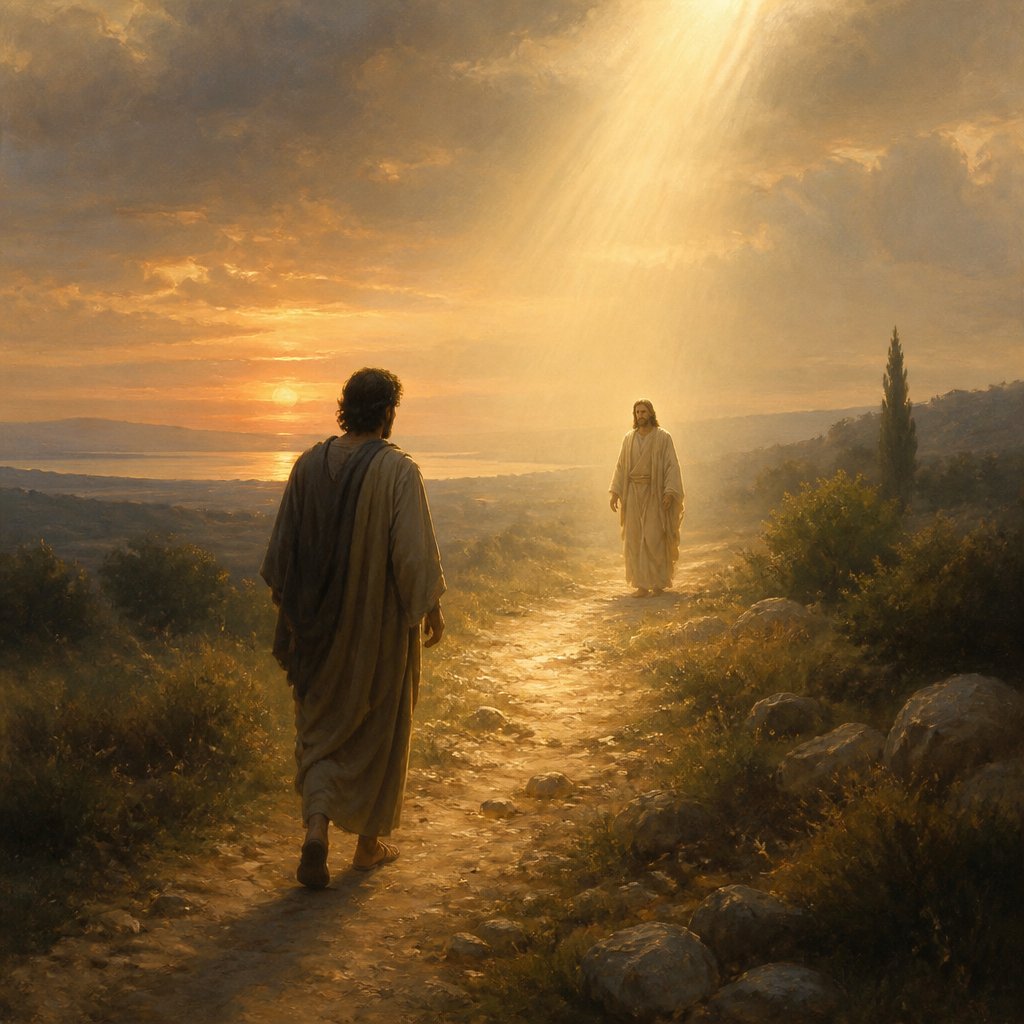
John 6:44 (KJV) reads, "No man can come to me, except the Father which hath sent me draw him: and I will raise him up at the last day."
This verse is a profound statement made by Jesus Christ to His disciples, and it holds significant implications for Christian theology and understanding of salvation. In this verse, Jesus emphasizes the indispensable role of God the Father in the process of drawing people to Himself and ultimately granting them eternal life.
The theme of this verse revolves around the sovereignty of God in salvation. Jesus makes it clear that no one can come to Him on their own accord. It is only through the Father's drawing that individuals are able to come to faith in Jesus Christ. This highlights the fundamental belief in Christianity that salvation is a divine work initiated by God, rather than something that can be earned or achieved through human effort.
The context of this verse is also crucial to understanding its meaning. In the preceding verses, Jesus had just performed the miracle of feeding the five thousand with five loaves of bread and two fish. The people who had witnessed this miracle sought after Jesus, not necessarily because they believed in Him as the Son of God, but because they were fascinated by His ability to provide physical sustenance. Jesus used this opportunity to teach a deeper spiritual truth about Himself as the "bread of life" who gives eternal nourishment.
In the broader context of the Gospel of John, this verse is in line with the theme of divine initiative in salvation. Throughout the Gospel, John emphasizes the concept of being "born again" or "born from above" as a necessary condition for entering the kingdom of God. This new birth is not something that can be generated by human will or effort, but is entirely the result of God's grace and power.
Symbolically, the drawing of individuals to the Son by the Father represents the work of the Holy Spirit in convicting and illuminating the hearts of people, enabling them to recognize their need for a savior and respond in faith to Jesus Christ. The imagery of being "raised up at the last day" also points to the promise of resurrection and eternal life for those who have been drawn by the Father and placed their trust in Jesus.
From a theological perspective, this verse aligns with the doctrine of predestination, which asserts that God, in His infinite wisdom and sovereignty, has chosen and called those whom He will save. It emphasizes the grace of God as the primary cause of salvation, underscoring the fact that humanity's fallen nature renders them incapable of initiating a relationship with God apart from His divine intervention.
In conclusion, John 6:44 conveys a significant theological truth about the sovereignty of God in salvation. It emphasizes the Father's essential role in drawing individuals to faith in Jesus Christ and the promise of resurrection and eternal life for those who respond to His calling. This verse serves as a reminder of the foundational Christian belief that salvation is entirely a work of God, demonstrating His love, mercy, and grace towards humanity.
Have questions about John 6:44?
Dive deeper into this scripture with Bible Chat — an AI-powered tool for exploring God's Word through conversation. Ask questions, get context, and grow in your understanding of the Bible.
Get Our Apps


John 6:44 Artwork

John 6:44 - "No man can come to me, except the Father which hath sent me draw him: and I will raise him up at the last day."
"No man can come to me, except the Father which hath sent me draw him: and I will raise him up at the last day." - John 6:44

John 8:44

John 8:44

John 8:44

John 11,43, 44

John 1:44 - "Now Philip was of Bethsaida, the city of Andrew and Peter."

John 4:44 - "For Jesus himself testified, that a prophet hath no honour in his own country."

John 7:44 - "And some of them would have taken him; but no man laid hands on him."

John 12:44 - "¶ Jesus cried and said, He that believeth on me, believeth not on me, but on him that sent me."

John 11:43-44 – "When he had said this, Jesus called in a loud voice, 'Lazarus, come out!'"

Mark 6:44 - "And they that did eat of the loaves were about five thousand men."

"Now Philip was of Bethsaida, the city of Andrew and Peter." - John 1:44

John 5:44 - "How can ye believe, which receive honour one of another, and seek not the honour that cometh from God only?"

Genesis 44:6 - "¶ And he overtook them, and he spake unto them these same words."

Psalms 44:6 - "For I will not trust in my bow, neither shall my sword save me."

"For Jesus himself testified, that a prophet hath no honour in his own country." - John 4:44
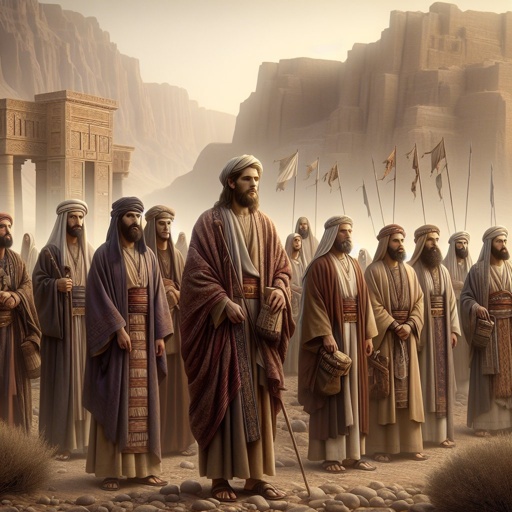
1 Chronicles 6:44 - "And their brethren the sons of Merari stood on the left hand: Ethan the son of Kishi, the son of Abdi, the son of Malluch,"

Jeremiah 44:6 - "Wherefore my fury and mine anger was poured forth, and was kindled in the cities of Judah and in the streets of Jerusalem; and they are wasted and desolate, as at this day."

John 11:44 - "And he that was dead came forth, bound hand and foot with graveclothes: and his face was bound about with a napkin. Jesus saith unto them, Loose him, and let him go."

"And some of them would have taken him; but no man laid hands on him." - John 7:44
John 1:6 - "¶ There was a man sent from God, whose name was John."

John 6:63

John 6:63

Luke 6:44 - "For every tree is known by his own fruit. For of thorns men do not gather figs, nor of a bramble bush gather they grapes."

John 6:63

John 6:63

"¶ Jesus cried and said, He that believeth on me, believeth not on me, but on him that sent me." - John 12:44

Isaiah 44:6 - "Thus saith the LORD the King of Israel, and his redeemer the LORD of hosts; I am the first, and I am the last; and beside me there is no God."

"And they that did eat of the loaves were about five thousand men." - Mark 6:44