What does John 6:33 mean?
"For the bread of God is he which cometh down from heaven, and giveth life unto the world." - John 6:33

John 6:33 (KJV) states, "For the bread of God is he which cometh down from heaven, and giveth life unto the world." In this verse, Jesus is speaking to the crowds who had followed him after witnessing the miraculous feeding of the 5,000 with five loaves of bread and two fish. He begins to explain to them the true nature of the bread they had just eaten, pointing to himself as the ultimate source of spiritual nourishment.
The theme of this verse is centered around the concept of spiritual sustenance and the provision of eternal life. Jesus uses the metaphor of bread to connect with the physical act of eating and sustenance, and then expands it to the idea of spiritual nourishment. By declaring himself as the "bread of God" that comes down from heaven, Jesus is proclaiming that he is the divine source of salvation for humanity. This concept is further supported by Jesus' statement that this bread "giveth life unto the world," emphasizing the universal and inclusive nature of his gift of salvation.
The context of this verse is significant for understanding its deeper meaning. After witnessing the feeding of the 5,000, the crowd sought out Jesus, hoping for more miraculous signs and physical provisions. However, Jesus redirects their attention away from temporal needs and towards their spiritual hunger. He uses the physical act of eating bread to illustrate the deeper truth that he is the true source of spiritual nourishment and eternal life. This context sets the stage for Jesus to reveal himself as the Bread of Life, a concept he further develops later in John 6.
The symbolism of bread in this verse is multi-layered and rich with meaning. First, bread is a staple food that sustains physical life, and Jesus' use of this metaphor highlights the essential nature of his role in providing spiritual sustenance. Furthermore, bread is often associated with the idea of provision and nurture, linking Jesus' role as the Bread of Life with that of a caring and compassionate provider. Additionally, the use of bread as a symbol ties into the larger biblical imagery of bread as a representation of God's provision and presence, as seen in the manna provided to the Israelites in the wilderness.
This verse also carries significance within the larger theological context of the Gospel of John. The Gospel of John emphasizes the divinity of Jesus and his unique role as the revealer of God to humanity. By presenting himself as the Bread of God that comes down from heaven, Jesus is making a bold claim about his identity and purpose. This declaration points to his preexistence and his divine origins, highlighting his role as the divine Son of God who brings life and salvation to the world.
In conclusion, John 6:33 (KJV) is a profound and multifaceted verse that encapsulates the themes of spiritual sustenance, divine provision, and the universal offer of eternal life. It reveals Jesus as the ultimate source of salvation and emphasizes the need for spiritual nourishment as essential for true life. Through the use of the metaphor of bread and the declaration of his divine origins, Jesus presents himself as the Bread of God that has come down from heaven to offer life to the world. This verse serves as a foundational statement of Jesus' identity and mission, pointing to his essential role in bringing spiritual nourishment and eternal life to all who believe in him.
Have questions about John 6:33?
Dive deeper into this scripture with Bible Chat — an AI-powered tool for exploring God's Word through conversation. Ask questions, get context, and grow in your understanding of the Bible.
Get Our Apps


John 6:33 Artwork

John 6:33 - "For the bread of God is he which cometh down from heaven, and giveth life unto the world."

"For the bread of God is he which cometh down from heaven, and giveth life unto the world." - John 6:33

John 16:33

John 16:33

John 16:33

John 16:33
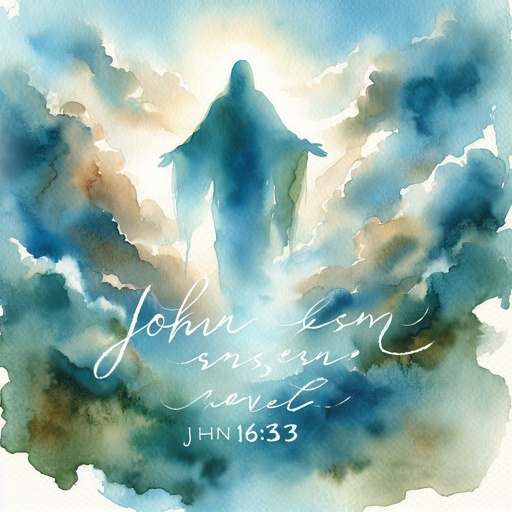
John 16:33

John 16:33

John 16 : 33

John 1:33

John 5:33 - "Ye sent unto John, and he bare witness unto the truth."

John 9:33 - "If this man were not of God, he could do nothing."

Mathew 6:33

Isaiah 33:6

Isaiah 33:6

Isaiah 33:6

John 12:33 - "This he said, signifying what death he should die."

John 19:33 - "But when they came to Jesus, and saw that he was dead already, they brake not his legs:"

"Ye sent unto John, and he bare witness unto the truth." - John 5:33

John 3:33 - "He that hath received his testimony hath set to his seal that God is true."

Mark 14:33 - "And he taketh with him Peter and James and John, and began to be sore amazed, and to be very heavy;"

John 4:33 - "Therefore said the disciples one to another, Hath any man brought him ought to eat?"

Genesis 33:6 - "Then the handmaidens came near, they and their children, and they bowed themselves."

Exodus 33:6 - "And the children of Israel stripped themselves of their ornaments by the mount Horeb."

John 18:33 - "Then Pilate entered into the judgment hall again, and called Jesus, and said unto him, Art thou the King of the Jews?"

Luke 7:33 - "For John the Baptist came neither eating bread nor drinking wine; and ye say, He hath a devil."

Matthew 6:33. Seeking God's righteousness
John 1:6 - "¶ There was a man sent from God, whose name was John."

Deuteronomy 33:6 - "¶ Let Reuben live, and not die; and let not his men be few."

John 6:63