What does John 6:31 mean?
"Our fathers did eat manna in the desert; as it is written, He gave them bread from heaven to eat." - John 6:31
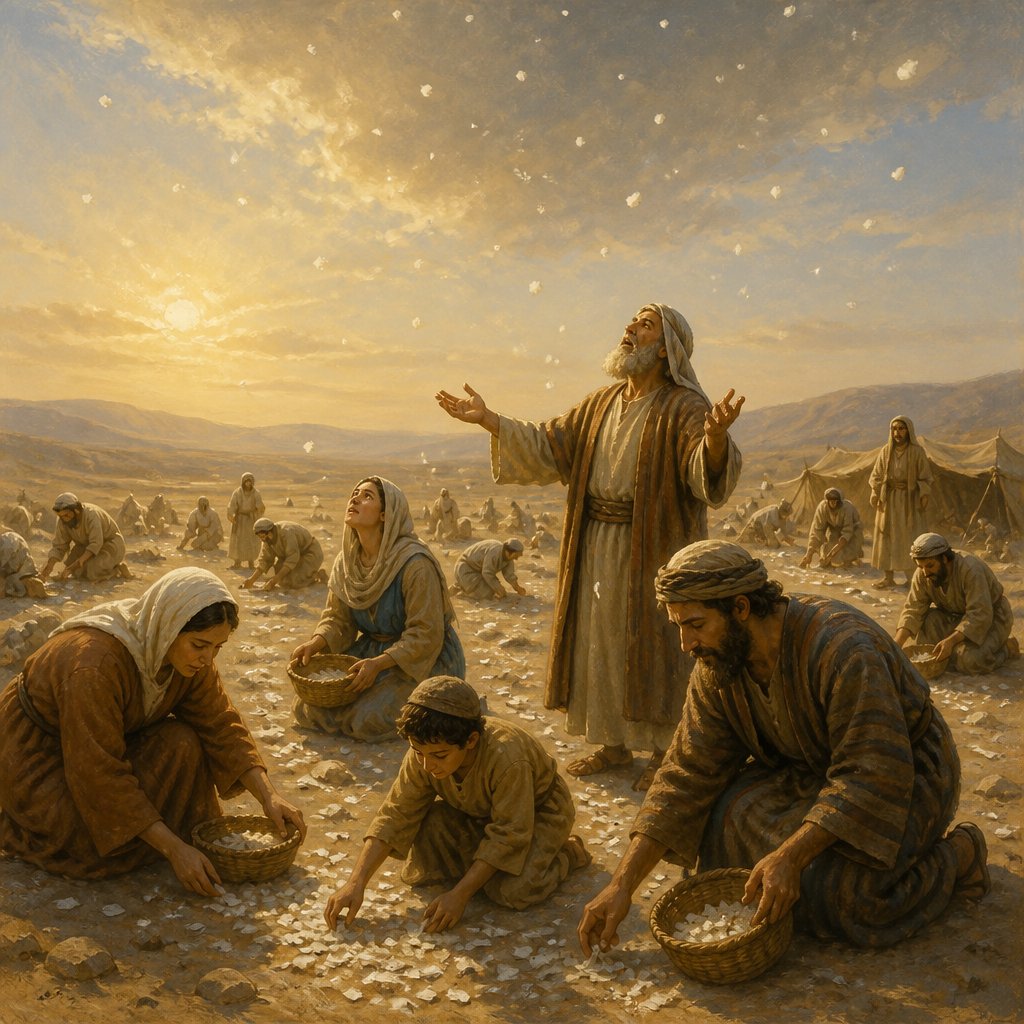
In John 6:31, the King James Version (KJV) of the Bible reads, "Our fathers did eat manna in the desert; as it is written, He gave them bread from heaven to eat."
This verse is part of the larger account of Jesus' conversation with a crowd of people who had followed him after he performed the miraculous feeding of the five thousand. In this conversation, Jesus discusses the meaning of the miraculous bread and the significance of his own role as the "bread of life."
To understand the meaning and commentary of this verse, it is important to look at the context in which it occurs. The mention of "manna" in the desert refers to a foundational event in the history of the Israelites, which is recorded in the Old Testament book of Exodus. According to the biblical account, after the Israelites were delivered from slavery in Egypt, they wandered in the desert for forty years. During this time, God provided them with "manna," a miraculous bread-like substance, to sustain them in their journey.
The mention of manna in John 6:31 serves as a point of reference for the crowd Jesus is speaking to. The people, who were familiar with the Old Testament scriptures, would have recognized the significance of manna as a provision from God for their ancestors in the wilderness. By referencing this event, Jesus is drawing a parallel between the manna given to the Israelites and the "bread from heaven" that he himself represents.
The symbolic meaning of the manna and the "bread from heaven" is central to understanding the deeper message of this verse. In the Old Testament, the manna was a physical provision that sustained the Israelites in their physical journey through the desert. However, Jesus is using this symbol to point to a deeper spiritual reality. He is revealing that he himself is the true bread from heaven, the spiritual sustenance that can satisfy the deepest hunger of the soul.
This verse highlights a key theme in the Gospel of John, which is the revelation of Jesus as the divine Son of God and the source of eternal life. Throughout the Gospel, Jesus uses metaphorical language and symbolic imagery to reveal his identity and mission. In this case, he uses the symbol of bread to convey the idea that he is the ultimate source of spiritual nourishment and sustenance.
The commentary on this verse also sheds light on the concept of divine provision and the faithfulness of God. By drawing a connection between the manna in the Old Testament and the "bread from heaven" in the person of Jesus, the verse conveys the message that God's provision is not only physical but also spiritual. Just as God provided for the physical needs of the Israelites in the wilderness, so he continues to provide for the spiritual needs of his people through the person of Jesus.
In addition to its spiritual significance, the mention of manna and bread from heaven also points to the theme of continuity and fulfillment in the biblical narrative. The Old Testament foreshadows and prefigures the coming of Jesus, and this verse establishes a direct connection between the two. It underscores the continuity of God's redemptive plan throughout history and signals Jesus as the fulfillment of the promises and prophecies of the Old Testament.
In conclusion, John 6:31 conveys a rich and profound message about the identity of Jesus as the divine source of spiritual nourishment and the fulfillment of God's provision for his people. It draws on the symbolic imagery of manna and "bread from heaven" to reveal Jesus as the true bread of life. The verse also highlights themes of continuity, fulfillment, and divine faithfulness in the biblical narrative. Overall, it serves as a powerful proclamation of the central message of the Gospel of John, which is the revelation of Jesus as the Son of God and the source of eternal life.
Have questions about John 6:31?
Dive deeper into this scripture with Bible Chat — an AI-powered tool for exploring God's Word through conversation. Ask questions, get context, and grow in your understanding of the Bible.
Get Our Apps


John 6:31 Artwork

John 6:31 - "Our fathers did eat manna in the desert; as it is written, He gave them bread from heaven to eat."
"Our fathers did eat manna in the desert; as it is written, He gave them bread from heaven to eat." - John 6:31

John 20:30-31

John 13:31-35

John 5:31 - "If I bear witness of myself, my witness is not true."

John 10:31 - "Then the Jews took up stones again to stone him."

John 16:31 - "Jesus answered them, Do ye now believe?"

John 4:31 - "¶ In the mean while his disciples prayed him, saying, Master, eat."

John 12:31 - "Now is the judgment of this world: now shall the prince of this world be cast out."
John 1:6 - "¶ There was a man sent from God, whose name was John."

John 6:63

John 6:63

John 6:63

John 6:63

John 13:31 - "¶ Therefore, when he was gone out, Jesus said, Now is the Son of man glorified, and God is glorified in him."

John 1:31 - "And I knew him not: but that he should be made manifest to Israel, therefore am I come baptizing with water."
John 6:12

John 6:40

John 21:6

John 14:6

John 8:31 - "Then said Jesus to those Jews which believed on him, If ye continue in my word, then are ye my disciples indeed;"

John 9:31 - "Now we know that God heareth not sinners: but if any man be a worshipper of God, and doeth his will, him he heareth."

John 6:16

John 21:6

John 6:37

John 21:6

John 21:6

John 6:40
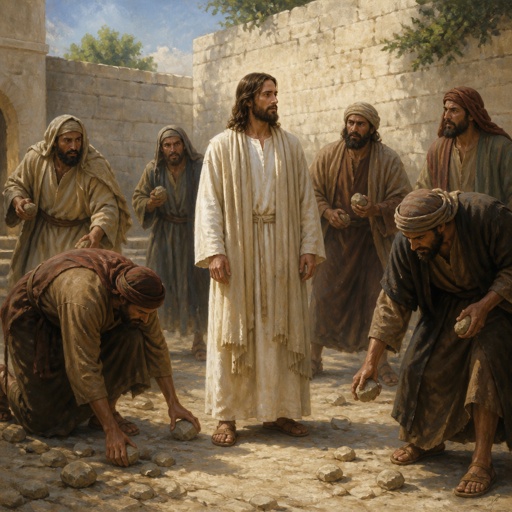
"Then the Jews took up stones again to stone him." - John 10:31
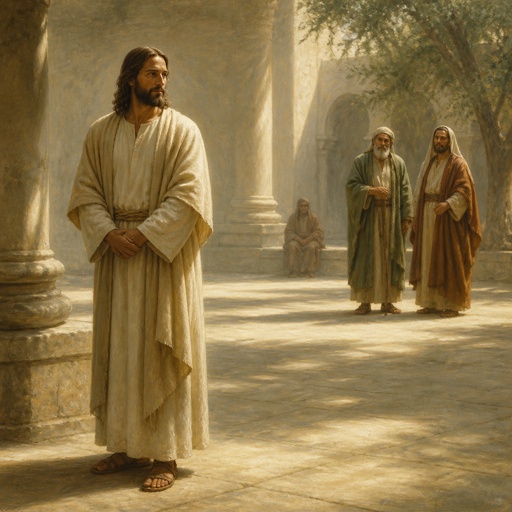
"If I bear witness of myself, my witness is not true." - John 5:31