What does John 6:20 mean?
"But he saith unto them, It is I; be not afraid." - John 6:20
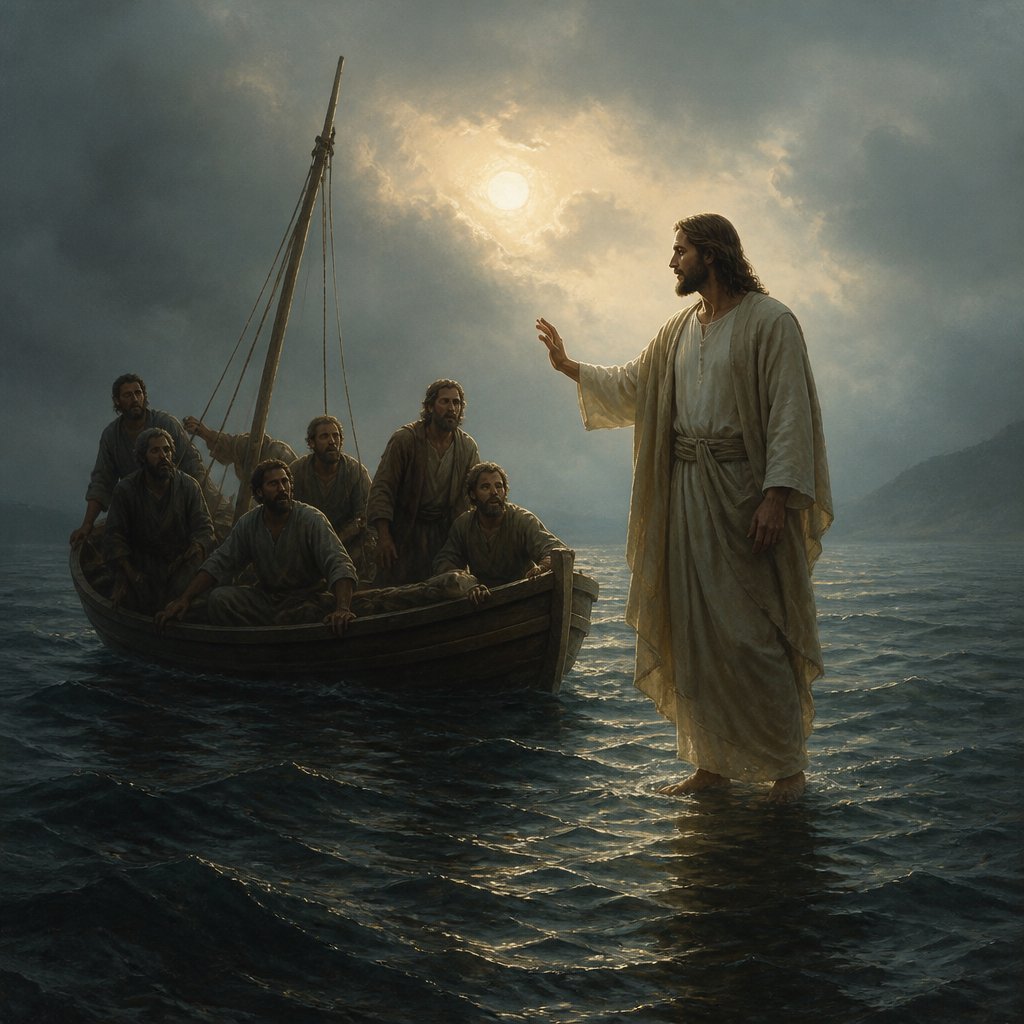
John 6:20, King James Version (KJV): "But he saith unto them, It is I; be not afraid."
This verse is part of the account of Jesus walking on water, as recorded in the Gospel of John. In this particular passage, Jesus has just finished feeding the 5,000 with five loaves of bread and two fish. After this miraculous event, Jesus sends his disciples ahead of him to Bethsaida by boat, while he dismisses the crowd and goes up into a mountain to pray.
As the disciples are making their way across the Sea of Galilee, a strong wind begins to blow, and the waters become rough. In the midst of the storm, the disciples see Jesus walking on the water towards them. Understandably, they are afraid, not only because they recognize the supernatural nature of this event, but also because they are in the midst of a life-threatening situation. It is in this moment that Jesus speaks the words of John 6:20 to reassure them: "It is I; be not afraid."
This verse is rich with significance, both in its immediate context and in its broader theological implications. One of the key themes of this passage is the divinity and power of Jesus. By walking on water, Jesus demonstrates his authority over the natural elements, as well as his ability to transcend the limitations of human existence. The disciples' fear is a natural reaction to what they perceive as a ghostly apparition, but Jesus' words reassure them that it is indeed him, in his true divine form.
The phrase "It is I" is significant in its theological implications. In the original Greek, Jesus' words are "ἐγώ εἰμι," which can also be translated as "I am." This echoes the divine name revealed to Moses in the burning bush in Exodus 3:14, where God declares, "I am who I am." By using this phrase, Jesus is making a profound statement about his identity as the divine Son of God. In the Gospel of John, the "I am" sayings are used to reveal Jesus' divine nature and his role in the salvation of humanity.
The command "be not afraid" is also significant, as it reflects a recurring theme in the Bible. Throughout both the Old and New Testaments, God and his messengers frequently speak these words to reassure and comfort his people in times of distress. It is a reminder that even in the midst of chaos and danger, those who trust in God have no need to fear, for he is with them and has power over all circumstances.
The broader context of this passage also points to the theme of faith. The disciples' initial reaction to the storm and Jesus' appearance is fear and disbelief. However, as Jesus reveals his true identity and reassures them, their faith is strengthened. This account serves as a reminder that faith in Jesus can overcome even the most daunting challenges and fears. It also underscores the importance of recognizing and trusting in the divine nature of Christ, even in the midst of life's storms.
In terms of symbolism, the act of Jesus walking on water can be seen as a metaphor for the Christian life. The sea, with its tumultuous waves and unpredictable nature, represents the trials and difficulties of life. Just as the disciples were in danger on the sea, believers often find themselves in situations that seem overwhelming and beyond their control. Yet, Jesus' ability to walk on water demonstrates his power to overcome these challenges and to bring peace and safety to his followers. The image of Jesus as a calm, comforting presence amidst the storm serves as a powerful symbol of hope and assurance for believers facing their own trials and tribulations.
In conclusion, John 6:20 is a rich and multilayered verse that captures the divinity of Christ, the theme of faith, and the reassurance of God's presence in the midst of life's storms. It serves as a profound reminder of the power and authority of Jesus, as well as his ability to bring peace and comfort to those who trust in him. This verse continues to be a source of encouragement and hope for believers as they navigate the challenges of life, reminding them that in Christ, they have nothing to fear.
Have questions about John 6:20?
Dive deeper into this scripture with Bible Chat — an AI-powered tool for exploring God's Word through conversation. Ask questions, get context, and grow in your understanding of the Bible.
Get Our Apps


John 6:20 Artwork

John 6:20 - "But he saith unto them, It is I; be not afraid."
"But he saith unto them, It is I; be not afraid." - John 6:20

Luke 20:6 - "But and if we say, Of men; all the people will stone us: for they be persuaded that John was a prophet."

John 20:6 - "Then cometh Simon Peter following him, and went into the sepulchre, and seeth the linen clothes lie,"
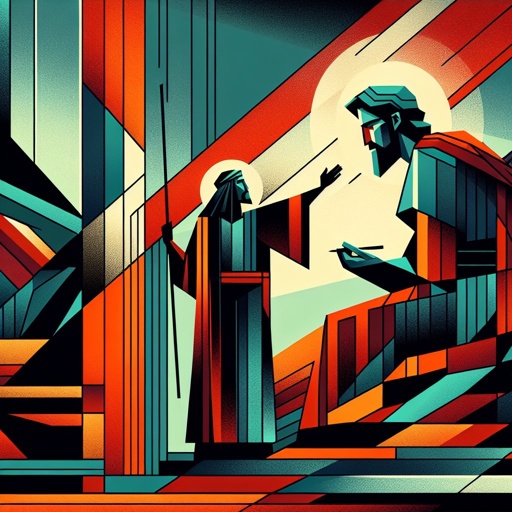
Mark 6:20 - "For Herod feared John, knowing that he was a just man and an holy, and observed him; and when he heard him, he did many things, and heard him gladly."
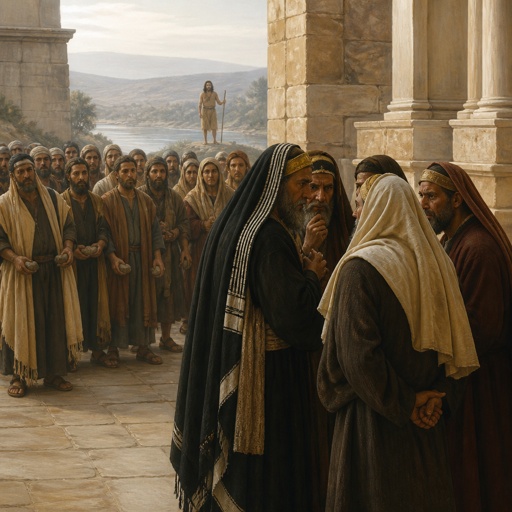
"But and if we say, Of men; all the people will stone us: for they be persuaded that John was a prophet." - Luke 20:6
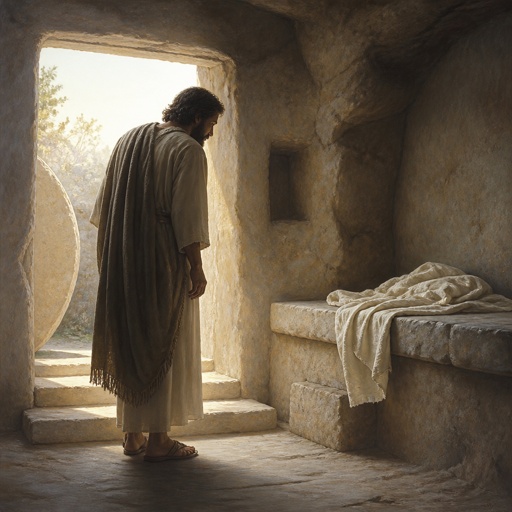
"Then cometh Simon Peter following him, and went into the sepulchre, and seeth the linen clothes lie," - John 20:6

John 20:6 I would like a picture of Peter in the tomb, with a couple of angels who don’t want him to be afraid.

John 20:21

John 20:14

John 20:27

John 20:27

John 20:11-12

John 20:11-13

John 1:6 - "¶ There was a man sent from God, whose name was John."

John 20:30-31

John 6:63

John 6:63

John 6:63

John 6:63
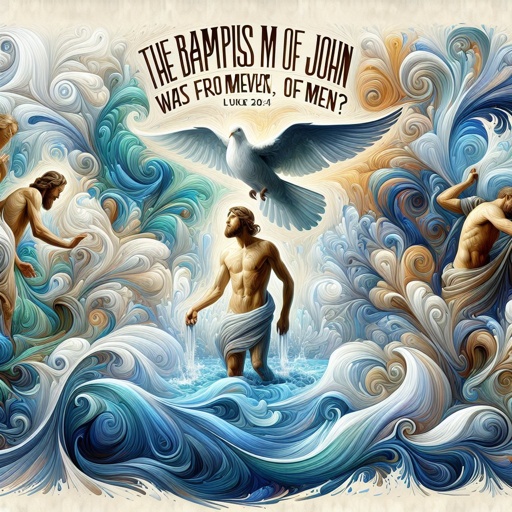
Luke 20:4 - "The baptism of John, was it from heaven, or of men?"
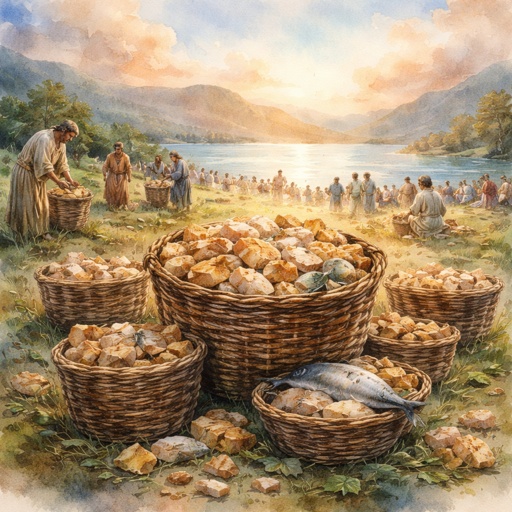
John 6:12

John 6:40

John 21:6

John 14:6

John 1:20 - "And he confessed, and denied not; but confessed, I am not the Christ."

John 6:16

John 21:6

John 6:37

John 21:6