What does John 5:1 mean?
"After this there was a feast of the Jews; and Jesus went up to Jerusalem." - John 5:1
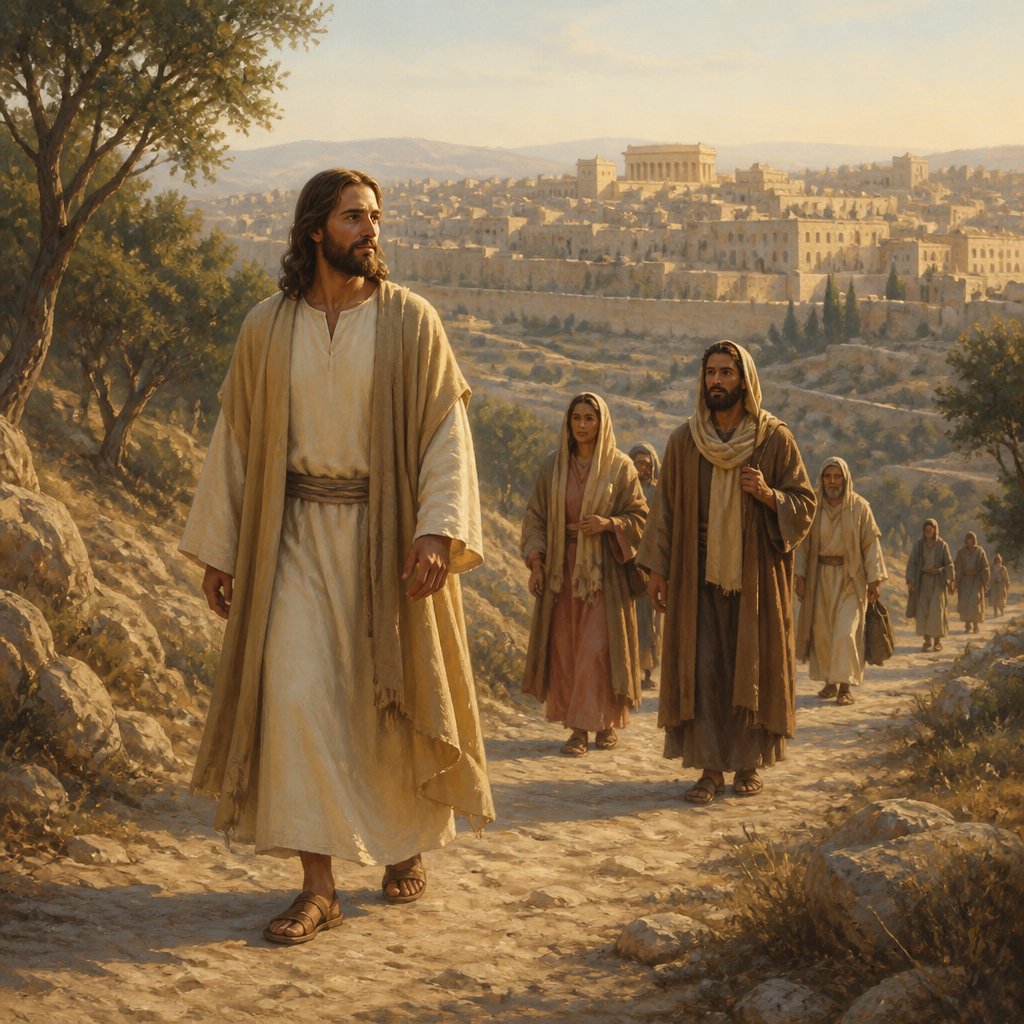
The verse John 5:1 from the King James Version reads, "After this there was a feast of the Jews; and Jesus went up to Jerusalem." This verse may seem simple at first glance, but upon closer examination, it reveals important themes, context, and symbolism that can deepen our understanding of the Bible and its teachings.
The context of this verse is important in understanding its significance. Jesus had just performed the miracle of healing a nobleman's son in Cana (John 4:46-54). After this miraculous event, Jesus traveled to Jerusalem to attend a feast of the Jews. The setting of the feast is significant as it provides a backdrop for the events that unfold in the subsequent verses.
One of the themes present in this verse is the fulfillment of the Jewish law and customs. The fact that Jesus went up to Jerusalem to participate in the feast demonstrates his adherence to Jewish traditions, despite the controversy and conflict that often arose between him and the religious leaders of the time. This theme is important in the larger narrative of Jesus' life and ministry, as it illustrates his respect for the religious practices of his culture while also challenging and reforming those practices where necessary.
Another important theme in this verse is Jesus' divine mission and purpose. Throughout the Gospels, Jesus is depicted as being on a mission to fulfill the will of God and to bring about the kingdom of heaven on earth. His attendance at the feast in Jerusalem can be seen as part of this larger mission, as he engages with the religious and cultural practices of his time in order to bring about spiritual and moral transformation.
Symbolism can also be found in this verse. The act of going up to Jerusalem holds symbolic significance in the Bible, as Jerusalem is often associated with divine presence and authority. In the Old Testament, Jerusalem is depicted as the holy city where the temple of God is located, and it is often used as a symbol of the spiritual center of the world. Therefore, Jesus' journey to Jerusalem can be seen as a symbolic representation of his divine authority and his role in bringing about spiritual renewal and transformation.
In addition, the feast itself holds symbolic significance. Feasts were important events in Jewish culture, often serving as occasions for worship, celebration, and communal gathering. By attending the feast in Jerusalem, Jesus participates in this important tradition and symbolically connects himself with the history and heritage of his people.
Overall, John 5:1 from the King James Version carries significant meanings and themes that are vital for understanding the larger narrative of Jesus' life and ministry. The verse illustrates Jesus' adherence to Jewish customs and traditions, his divine mission and purpose, and the symbolic significance of his journey to Jerusalem. By exploring these themes and symbols, we can gain a deeper understanding of the religious, cultural, and spiritual significance of Jesus' actions and teachings.
Have questions about John 5:1?
Dive deeper into this scripture with Bible Chat — an AI-powered tool for exploring God's Word through conversation. Ask questions, get context, and grow in your understanding of the Bible.
Get Our Apps


John 5:1 Artwork

John 5:1 - "After this there was a feast of the Jews; and Jesus went up to Jerusalem."

1 John 5:1 - "Whosoever believeth that Jesus is the Christ is born of God: and every one that loveth him that begat loveth him also that is begotten of him."
"After this there was a feast of the Jews; and Jesus went up to Jerusalem." - John 5:1
"Whosoever believeth that Jesus is the Christ is born of God: and every one that loveth him that begat loveth him also that is begotten of him." - 1 John 5:1

John 1:1-5

John 1:1-5

Juan 5, 1-16

John 15:5

1 John 5:5 - "Who is he that overcometh the world, but he that believeth that Jesus is the Son of God?"

1 John 5:18

John 1:5 - "And the light shineth in darkness; and the darkness comprehended it not."

1 John 5:17 - "All unrighteousness is sin: and there is a sin not unto death."

1 John 4:5 - "They are of the world: therefore speak they of the world, and the world heareth them."

1 John 5:21 - "Little children, keep yourselves from idols. Amen."

1 John 5:19 - "And we know that we are of God, and the whole world lieth in wickedness."

3 John 1:5 - "Beloved, thou doest faithfully whatsoever thou doest to the brethren, and to strangers;"

1 John 5:3 - "For this is the love of God, that we keep his commandments: and his commandments are not grievous."

1 John 5:8 - "And there are three that bear witness in earth, the Spirit, and the water, and the blood: and these three agree in one."

1 John 1:5 - "This then is the message which we have heard of him, and declare unto you, that God is light, and in him is no darkness at all."

1 John 5:11 - "And this is the record, that God hath given to us eternal life, and this life is in his Son."

1 John 3:5 - "And ye know that he was manifested to take away our sins; and in him is no sin."

1 John 5:7 - "For there are three that bear record in heaven, the Father, the Word, and the Holy Ghost: and these three are one."

1 John 5:12 - "He that hath the Son hath life; and he that hath not the Son of God hath not life."

Acts 1:5 - "For John truly baptized with water; but ye shall be baptized with the Holy Ghost not many days hence."

1 John 5:4 - "For whatsoever is born of God overcometh the world: and this is the victory that overcometh the world, even our faith."

"And the light shineth in darkness; and the darkness comprehended it not." - John 1:5

"Who is he that overcometh the world, but he that believeth that Jesus is the Son of God?" - 1 John 5:5

1 John 5:14 - "And this is the confidence that we have in him, that, if we ask any thing according to his will, he heareth us:"

1 John 5:2 - "By this we know that we love the children of God, when we love God, and keep his commandments."

"This then is the message which we have heard of him, and declare unto you, that God is light, and in him is no darkness at all." - 1 John 1:5