What does John 4:9 mean?
"Then saith the woman of Samaria unto him, How is it that thou, being a Jew, askest drink of me, which am a woman of Samaria? for the Jews have no dealings with the Samaritans." - John 4:9
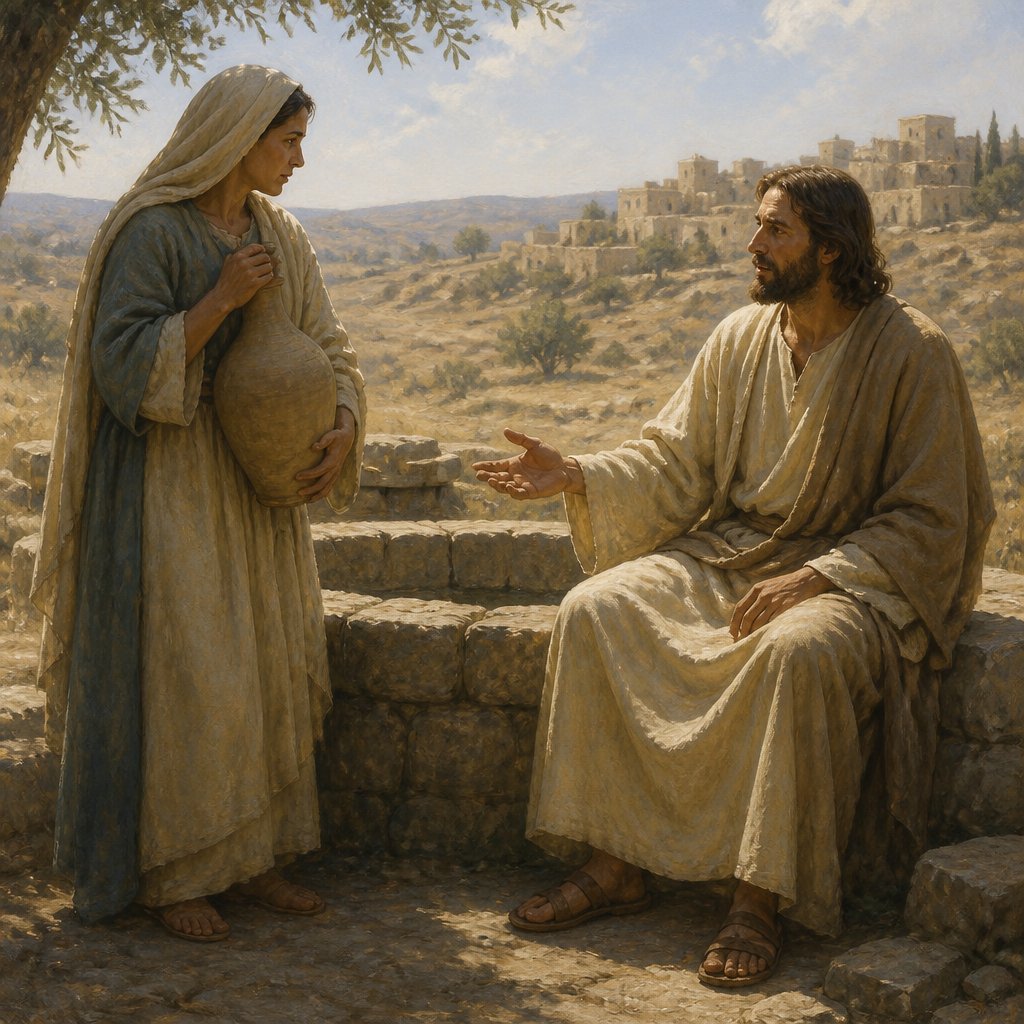
John 4:9 (KJV)
"Then saith the woman of Samaria unto him, How is it that thou, being a Jew, askest drink of me, which am a woman of Samaria? for the Jews have no dealings with the Samaritans."
In this verse from the book of John, we see the encounter between Jesus and the Samaritan woman at the well. This interaction serves as a powerful example of Jesus breaking down barriers and societal norms to reach out to those who are considered outcasts or "other" in society.
First, let's examine the historical and cultural context of this verse. The Jews and the Samaritans had a long-standing animosity towards each other. The Samaritans were considered outcasts by the Jews and were looked down upon as inferior and unclean. The Samaritan woman's surprise at Jesus asking her for water stems from this deep-seated animosity and division between the two groups.
Now, let's delve into the themes present in this verse. One of the central themes is the idea of breaking down cultural and societal barriers. Jesus, as a Jew, was expected to have no dealings with Samaritans. However, he defies this societal norm and engages with the Samaritan woman, treating her with respect and dignity. This demonstrates Jesus' radical inclusivity and his message of love and acceptance for all, regardless of social or cultural divides.
Another important theme is the idea of spiritual thirst. The encounter at the well is not just about physical thirst, but also about spiritual thirst. Jesus uses the physical act of drawing water from the well as a metaphor for the spiritual nourishment he offers. This theme is further developed in Jesus' subsequent dialogue with the Samaritan woman, where he speaks of the living water that he can provide, which will quench her spiritual thirst forever.
Now, let's explore the symbolism in this verse. The well itself can be seen as a symbol of division and separation. It represents the barriers and prejudices that exist between different groups of people. Jesus, in approaching the Samaritan woman at the well, is symbolically bridging this divide and offering a message of unity and reconciliation.
The water mentioned in this verse also holds symbolic significance. Water is often used throughout the Bible as a symbol of cleansing, renewal, and life. In this context, it represents the spiritual refreshment and new life that Jesus offers to those who come to him. The living water that Jesus speaks of points to the eternal satisfaction and fulfillment that comes from a relationship with him.
In conclusion, John 4:9 is a powerful and profound verse that showcases Jesus' radical message of inclusivity and acceptance. It challenges societal norms and divisions, offering a message of unity and reconciliation. It also speaks to the universal spiritual thirst that all people experience and the hope and fulfillment that can be found in Jesus. This encounter at the well serves as a timeless and relevant example of Jesus' transformative love and grace.
Have questions about John 4:9?
Dive deeper into this scripture with Bible Chat — an AI-powered tool for exploring God's Word through conversation. Ask questions, get context, and grow in your understanding of the Bible.
Get Our Apps


John 4:9 Artwork

1 John 4:9 - "In this was manifested the love of God toward us, because that God sent his only begotten Son into the world, that we might live through him."

John 4:9 - "Then saith the woman of Samaria unto him, How is it that thou, being a Jew, askest drink of me, which am a woman of Samaria? for the Jews have no dealings with the Samaritans."

"In this was manifested the love of God toward us, because that God sent his only begotten Son into the world, that we might live through him." - 1 John 4:9

1 John 4:9-10 - "In this was manifested the love of God toward us, because that God sent his only begotten Son into the world, that we might live through him. Herein is love, not that we loved God, but that he loved us, and sent his Son to be the propitiation for our sins."

John 4:9-10 - "Then saith the woman of Samaria unto him, How is it that thou, being a Jew, askest drink of me, which am a woman of Samaria? for the Jews have no dealings with the Samaritans. Jesus answered and said unto her, If thou knewest the gift of God, and who it is that saith to thee, Give me to drink; thou wouldest have asked of him, and he would have given thee living water."

1 John 4:9-11 - "This is how God showed his love among us: He sent his one and only Son into the world that we might live through him. This is love: not that we loved God, but that he loved us and sent his Son as an atoning sacrifice for our sins. Dear friends, since God so loved us, we also ought to love one another."
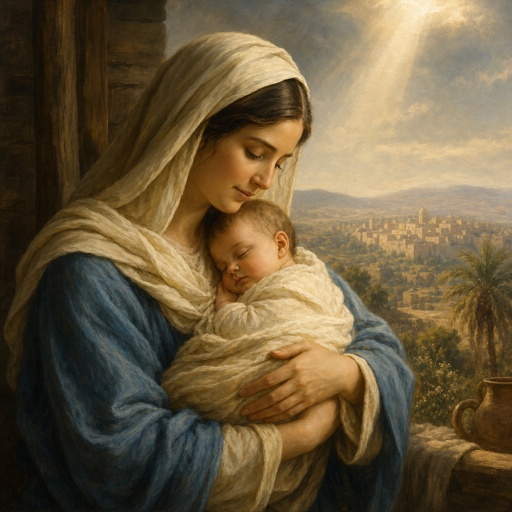
"In this was manifested the love of God toward us, because that God sent his only begotten Son into the world, that we might live through him." - 1 John 4:9
"Then saith the woman of Samaria unto him, How is it that thou, being a Jew, askest drink of me, which am a woman of Samaria? for the Jews have no dealings with the Samaritans." - John 4:9
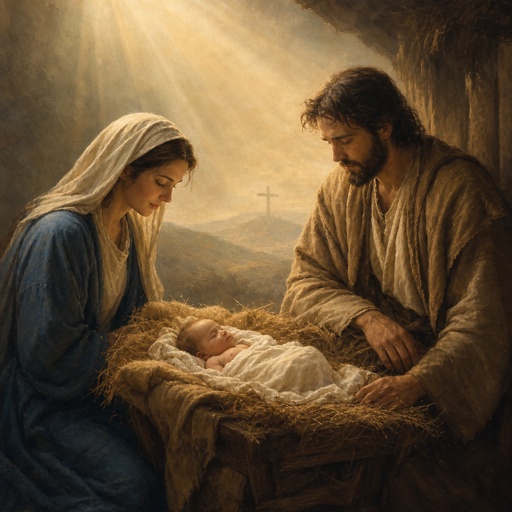
"In this was manifested the love of God toward us, because that God sent his only begotten Son into the world, that we might live through him. Herein is love, not that we loved God, but that he loved us, and sent his Son to be the propitiation for our sins." - 1 John 4:9-10
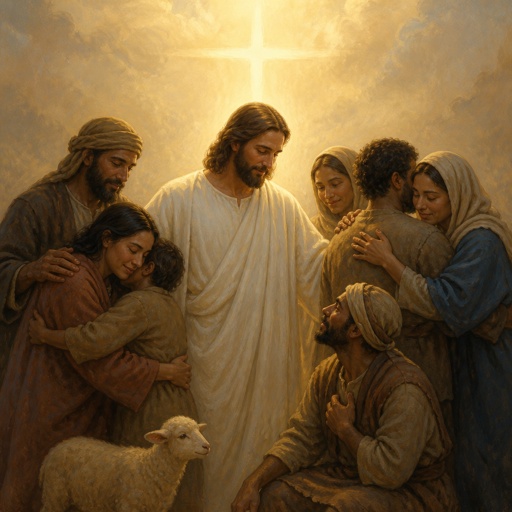
"This is how God showed his love among us: He sent his one and only Son into the world that we might live through him. This is love: not that we loved God, but that he loved us and sent his Son as an atoning sacrifice for our sins. Dear friends, since God so loved us, we also ought to love one another." - 1 John 4:9-11
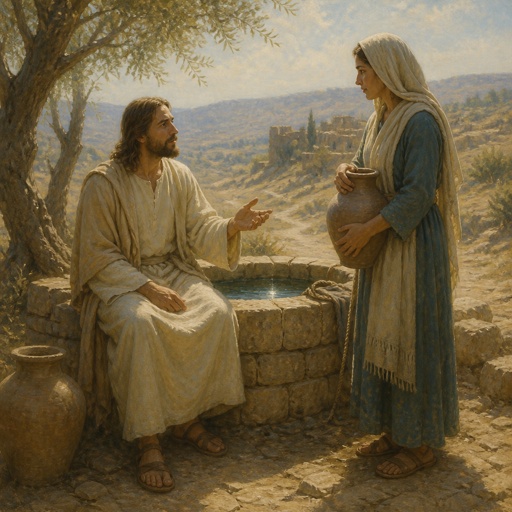
"Then saith the woman of Samaria unto him, How is it that thou, being a Jew, askest drink of me, which am a woman of Samaria? for the Jews have no dealings with the Samaritans. Jesus answered and said unto her, If thou knewest the gift of God, and who it is that saith to thee, Give me to drink; thou wouldest have asked of him, and he would have given thee living water." - John 4:9-10

John 13:4-9

John 9:4 - "I must work the works of him that sent me, while it is day: the night cometh, when no man can work."

john 21:9

John 10:9

John 10:9

John 10:9

1 John 4:8-9 - "Whoever does not love does not know God, because God is love. This is how God showed his love among us: He sent his one and only Son into the world that we might live through him."

John 4:4 - "And he must needs go through Samaria."

John 6:8-9

John 9:1-3

John 9:1-41

1 John 1:9

John 4:16

John 3:4

John 4:16

John 4:16

John 4:16

John 4:16

John 15:9-10