What does John 4:50 mean?
"Jesus saith unto him, Go thy way; thy son liveth. And the man believed the word that Jesus had spoken unto him, and he went his way." - John 4:50
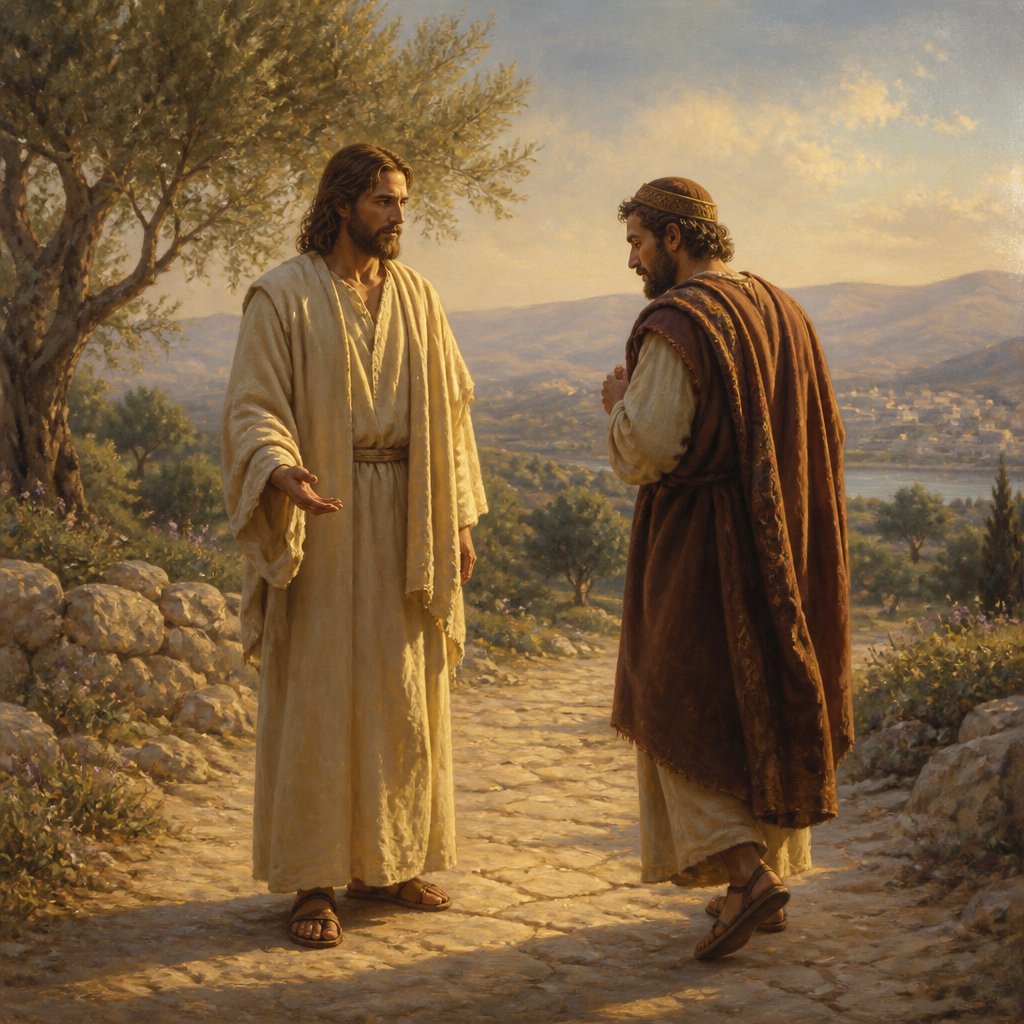
The Bible verse John 4:50 from the King James Version (KJV) states: "Jesus saith unto him, Go thy way; thy son liveth. And the man believed the word that Jesus had spoken unto him, and he went his way."
In this verse, we witness a powerful and transformative moment in the life of a father who is desperate for the healing of his son. This passage is part of the larger narrative of Jesus' encounter with a nobleman from Capernaum, who has come to plead with Jesus to come and heal his son who is gravely ill. The nobleman has heard of Jesus' miraculous healings and is seeking his help as a last resort.
The themes that are present in this verse are faith, belief, and the power of the spoken word. The nobleman comes to Jesus in a state of desperation, seeking a miracle for his son. When Jesus assures him that his son lives, the nobleman believes in the power of Jesus' words and leaves with faith and hope in his heart. This demonstrates the transformative power of belief and the way in which faith can bring about miraculous outcomes.
This passage also highlights the importance of trust and surrender in the face of adversity. The nobleman's willingness to trust in Jesus' words, despite not physically seeing the healing take place, is a testament to his faith and trust in the divine power of Jesus. This message of trust and surrender is a timeless lesson that continues to resonate with believers today.
Moreover, this verse speaks to the authority and power of Jesus' words. The fact that the nobleman's son is healed simply by Jesus speaking the words, "thy son liveth," underscores the divine authority that Jesus possesses. It also serves as a reminder of the power of God's word to bring about transformation and healing in our lives.
The context of this verse is also significant. The encounter between Jesus and the nobleman takes place in the larger context of Jesus' ministry and his mission to bring about healing and redemption to those in need. This particular interaction serves as a powerful demonstration of Jesus' compassion and willingness to answer the cries of those in need. It also serves as a reminder of the inclusive nature of Jesus' ministry, as he extends his healing touch to people of all backgrounds and social statuses.
Symbolism can also be found in this verse. The healing of the nobleman's son can be seen as a symbol of the spiritual healing and renewal that comes through faith in Jesus Christ. The son's physical healing reflects the broader message of spiritual healing and restoration that Jesus offers to all who believe in him. The nobleman's journey from despair to hope mirrors the transformative journey of faith that believers embark upon when they encounter Jesus and his message of salvation.
In conclusion, John 4:50 from the King James Version of the Bible is a powerful and transformative passage that speaks to the themes of faith, belief, the power of the spoken word, trust, and the authority of Jesus. It offers a timeless message of hope, redemption, and the transformative power of faith in the face of adversity. This verse continues to resonate with believers today, as it reminds us of the enduring power of Jesus' words to bring about healing and renewal in our lives.
Have questions about John 4:50?
Dive deeper into this scripture with Bible Chat — an AI-powered tool for exploring God's Word through conversation. Ask questions, get context, and grow in your understanding of the Bible.
Get Our Apps


John 4:50 Artwork

John 4:50 - "Jesus saith unto him, Go thy way; thy son liveth. And the man believed the word that Jesus had spoken unto him, and he went his way."
"Jesus saith unto him, Go thy way; thy son liveth. And the man believed the word that Jesus had spoken unto him, and he went his way." - John 4:50

John 8:50 - "And I seek not mine own glory: there is one that seeketh and judgeth."

John 7:50 - "Nicodemus saith unto them, (he that came to Jesus by night, being one of them,)"

John 6:50 - "This is the bread which cometh down from heaven, that a man may eat thereof, and not die."

John 11:50 - "Nor consider that it is expedient for us, that one man should die for the people, and that the whole nation perish not."

John 12:50 - "And I know that his commandment is life everlasting: whatsoever I speak therefore, even as the Father said unto me, so I speak."

"And I seek not mine own glory: there is one that seeketh and judgeth." - John 8:50

John 6:50 - "This is the bread which cometh down from heaven, that a man may eat thereof, and not die."

Psalms 50:4 - "He shall call to the heavens from above, and to the earth, that he may judge his people."

John 6:50 - "This is the bread which cometh down from heaven, that a man may eat thereof, and not die."
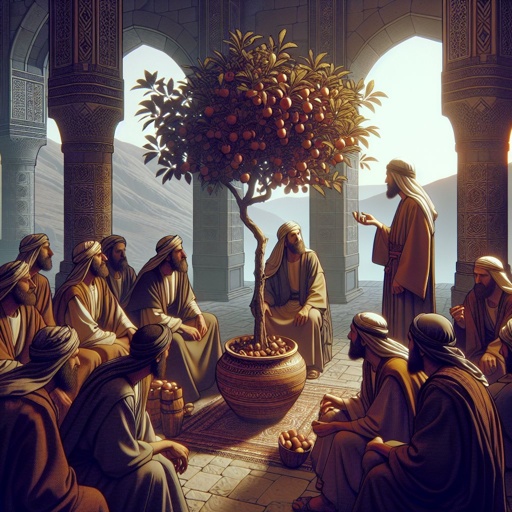
John 1:50 - "Jesus answered and said unto him, Because I said unto thee, I saw thee under the fig tree, believest thou? thou shalt see greater things than these."

"This is the bread which cometh down from heaven, that a man may eat thereof, and not die." - John 6:50
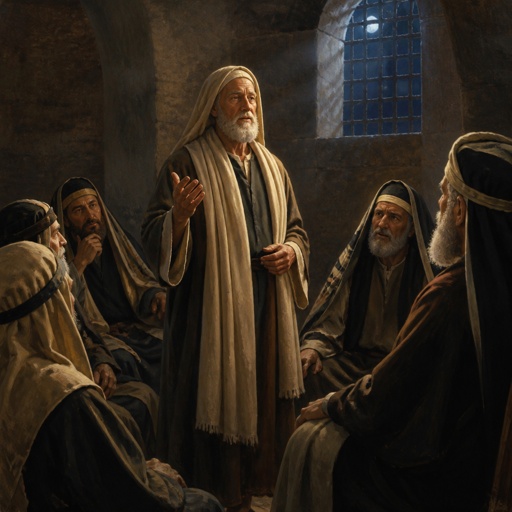
"Nicodemus saith unto them, (he that came to Jesus by night, being one of them,)" - John 7:50
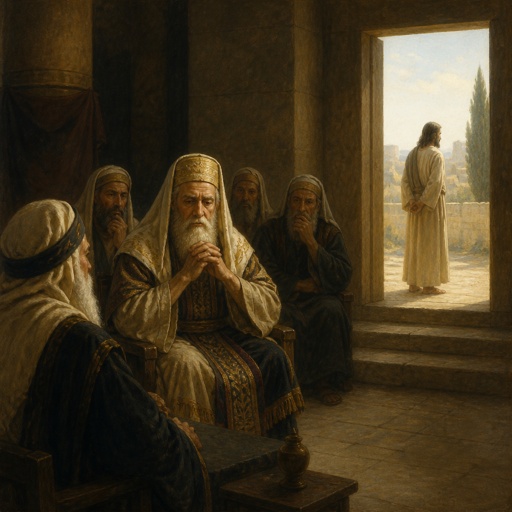
"Nor consider that it is expedient for us, that one man should die for the people, and that the whole nation perish not." - John 11:50

Jeremiah 50:4 - "¶ In those days, and in that time, saith the LORD, the children of Israel shall come, they and the children of Judah together, going and weeping: they shall go, and seek the LORD their God."

John 4:4 - "And he must needs go through Samaria."

John 4:16

John 3:4

John 4:16

John 4:16

John 4:16

John 4:16

John 4:16

John 4:16

John 4:16

John 3:4

John 4:16

John 4:16

John 4:16