What does John 3:6 mean?
"That which is born of the flesh is flesh; and that which is born of the Spirit is spirit." - John 3:6
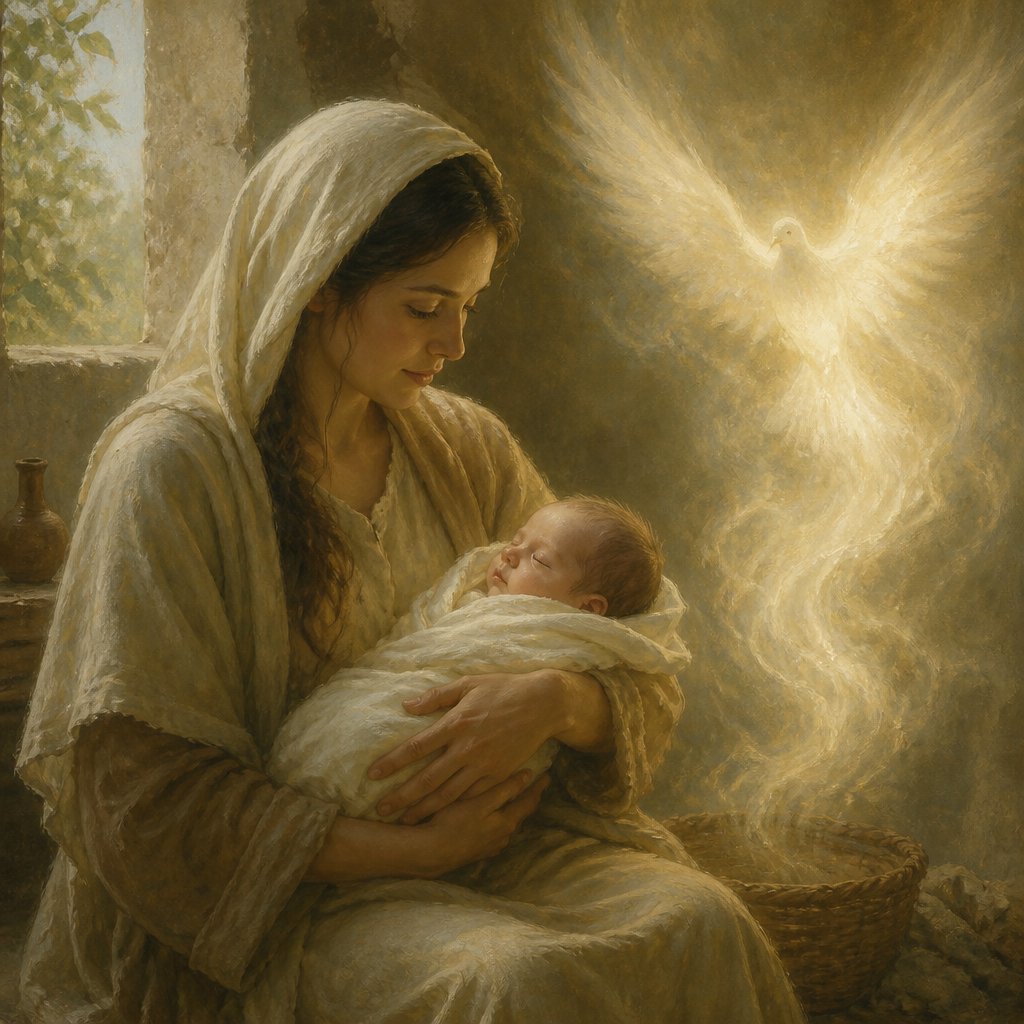
John 3:6 in the King James Version (KJV) of the Bible reads, "That which is born of the flesh is flesh, and that which is born of the Spirit is spirit." This verse is part of a larger conversation between Jesus and a Pharisee named Nicodemus. In this conversation, Jesus is explaining the concept of being born again and the spiritual rebirth that is necessary for salvation.
The theme of this verse revolves around the idea of dual birth - one being of the flesh and the other being of the Spirit. Jesus is emphasizing the distinction between physical birth and spiritual birth, and the importance of the latter for entering the kingdom of God.
The context of this verse is crucial to understanding its significance. Nicodemus, a member of the Jewish ruling council, came to Jesus at night seeking knowledge about his teachings. Jesus began to explain to Nicodemus the concept of being born again, or reborn spiritually, as a necessary step for entering the kingdom of God. This conversation underscores the importance of spiritual renewal and transformation in order to be in a right relationship with God.
The symbolism in this verse is powerful and profound. The phrase "born of the flesh is flesh" refers to our physical birth and existence in the world. It represents our natural, sinful state inherited from Adam. This is contrasted with the phrase "born of the Spirit is spirit," which symbolizes the spiritual rebirth that comes from the Holy Spirit. This spiritual rebirth is a transformation of the heart and soul, a new life in Christ that is necessary for experiencing and inheriting the kingdom of God.
Furthermore, the dichotomy between flesh and Spirit in this verse speaks to the tension between our sinful nature and the work of the Holy Spirit in our lives. The flesh represents our fallen, sinful nature, while the Spirit represents the work of God's grace in transforming and renewing us to live in alignment with His will.
This verse also points to the dual nature of humanity - physical and spiritual. While our physical birth connects us to the world and its fallen nature, our spiritual birth through the work of the Holy Spirit connects us to God and His kingdom. This spiritual birth is not something that can be achieved through human effort, but it is a supernatural work of God's grace in our lives.
In summary, John 3:6 in the King James Version of the Bible provides a profound insight into the necessity of spiritual rebirth for entering the kingdom of God. It emphasizes the distinction between our physical birth and our spiritual birth, highlighting the essential role of the Holy Spirit in transforming our hearts and lives. This verse serves as a reminder of the need for spiritual renewal and transformation in order to live in relationship with God and inherit His kingdom.
Have questions about John 3:6?
Dive deeper into this scripture with Bible Chat — an AI-powered tool for exploring God's Word through conversation. Ask questions, get context, and grow in your understanding of the Bible.
Get Our Apps


John 3:6 Artwork

John 3:6 - "That which is born of the flesh is flesh; and that which is born of the Spirit is spirit."

1 John 3:6 - "Whosoever abideth in him sinneth not: whosoever sinneth hath not seen him, neither known him."
"That which is born of the flesh is flesh; and that which is born of the Spirit is spirit." - John 3:6

"Whosoever abideth in him sinneth not: whosoever sinneth hath not seen him, neither known him." - 1 John 3:6

1 John 3:6-10 - "Whosoever abideth in him sinneth not: whosoever sinneth hath not seen him, neither known him. Little children, let no man deceive you: he that doeth righteousness is righteous, even as he is righteous. He that committeth sin is of the devil; for the devil sinneth from the beginning. For this purpose the Son of God was manifested, that he might destroy the works of the devil. Whosoever is born of God doth not commit sin; for his seed remaineth in him: and he cannot sin, because he is born of God. In this the children of God are manifest, and the children of the devil: whosoever doeth not righteousness is not of God, neither he that loveth not his brother."

"Whosoever abideth in him sinneth not: whosoever sinneth hath not seen him, neither known him. Little children, let no man deceive you: he that doeth righteousness is righteous, even as he is righteous. He that committeth sin is of the devil; for the devil sinneth from the beginning. For this purpose the Son of God was manifested, that he might destroy the works of the devil. Whosoever is born of God doth not commit sin; for his seed remaineth in him: and he cannot sin, because he is born of God. In this the children of God are manifest, and the children of the devil: whosoever doeth not righteousness is not of God, neither he that loveth not his brother." - 1 John 3:6-10

John 6:3 - "And Jesus went up into a mountain, and there he sat with his disciples."

"And Jesus went up into a mountain, and there he sat with his disciples." - John 6:3

3 John 1:6 - "Which have borne witness of thy charity before the church: whom if thou bring forward on their journey after a godly sort, thou shalt do well:"

Luke 3:1-6

John 3:3
John 1:6 - "¶ There was a man sent from God, whose name was John."

John 6:63

John 6:63

John 3:24 - "For John was not yet cast into prison."

John 6:63

John 6:63
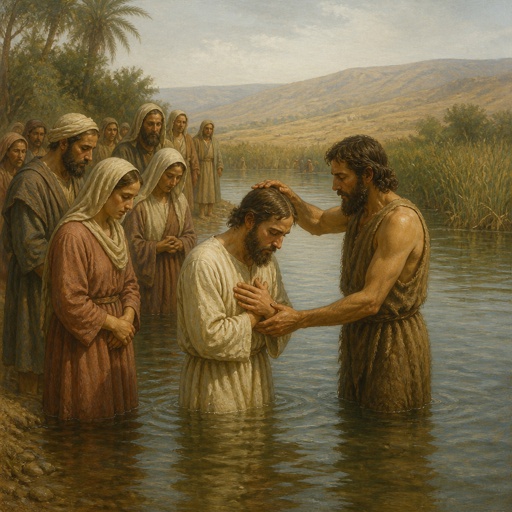
"And were baptized of him in Jordan, confessing their sins." - Matthew 3:6

John 3:3-8
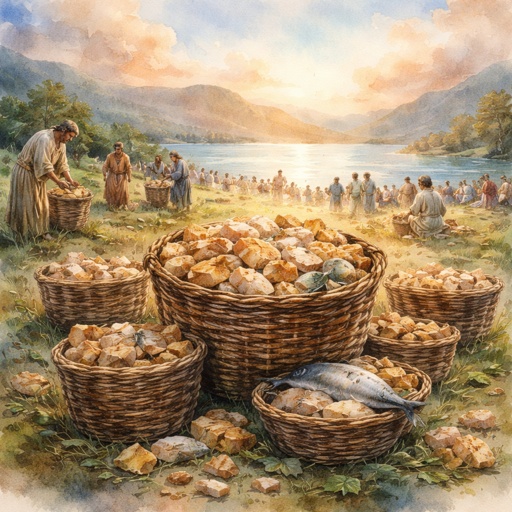
John 6:12

John 6:40

John 21:6

John 14:6

John 3

1 John 3:1-3

John 6:16

John 21:6

John 6:37

John 21:6

John 21:6