What does John 3:35 mean?
"The Father loveth the Son, and hath given all things into his hand." - John 3:35

John 3:35 in the King James Version of the Bible reads, "The Father loveth the Son, and hath given all things into his hand." This verse is a part of a conversation between John the Baptist and his disciples, in which John is affirming the authority and divinity of Jesus Christ.
The theme of love and authority runs throughout the entire verse. The Father's love for the Son is unconditional and unbreakable. This love is a testament to the unity and the eternal bond within the Holy Trinity - God the Father, God the Son, and God the Holy Spirit. The love that the Father has for the Son also shows the sacrificial nature of God's love, where He is willing to give His only Son for the salvation of humanity. This love is not just a passive emotion, but an action that is seen through the giving of "all things into his hand." This verse shows that the Father has given Jesus authority over all creation, making Him the ultimate ruler.
The context of John 3:35 is important to understanding its significance. In the previous verses, John the Baptist acknowledges that he is not the Christ, but rather a servant who is preparing the way for Him. He tells his disciples that Jesus is the one who comes from above and is above all. John is pointing to Jesus as the Messiah and declaring His preeminent role in God's plan of salvation. This gives the verse a sense of foreshadowing, as it sets up Jesus' importance and authority in the narrative.
Symbolism in this verse can be seen in the phrase "all things into his hand." This symbolizes the power and authority that Jesus possesses as the Son of God. It also represents the fulfillment of Old Testament prophecies, such as those in the book of Daniel, that speak of a divine figure who is given dominion over all peoples and kingdoms. Jesus' authority extends not just over the physical world, but also over the spiritual realm, as seen in His power to forgive sins and grant eternal life.
Furthermore, the phrase "all things" can also be seen as a symbol of the redemption and restoration that Jesus brings. In Him, all things are made new and reconciled to God. This imagery is seen throughout the New Testament, where Jesus is described as the one who brings hope, healing, and salvation to a broken and sinful world.
In conclusion, John 3:35 is a powerful declaration of the love and authority that the Father has given to the Son. It showcases the unity and divine nature of the Trinity, as well as the significance of Jesus as the ultimate ruler and savior. The verse also serves as a reminder of the sacrificial love of God and His redemptive plan for humanity. It is a testament to the fulfillment of Old Testament prophecies and the hope of restoration that Jesus brings. This verse is a cornerstone of Christian faith and a source of encouragement and assurance for believers.
Have questions about John 3:35?
Dive deeper into this scripture with Bible Chat — an AI-powered tool for exploring God's Word through conversation. Ask questions, get context, and grow in your understanding of the Bible.
Get Our Apps


John 3:35 Artwork

John 3:35 - "The Father loveth the Son, and hath given all things into his hand."

"The Father loveth the Son, and hath given all things into his hand." - John 3:35

John 3:5-8

John 3:5-8

John 3:5-8

John (11:35) Jesus wept.

John (11:35) Jesus wept.

John (11:35) Jesus wept.

John (11:35) Jesus wept.

John (11:35) Jesus wept.

John (11:35) Jesus wept.

John 11:35

John 11:35

John 1:35 - "¶ Again the next day after John stood, and two of his disciples;"

John (11:35) Jesus wept.

John (11:35) Jesus wept.

John (11:35) Jesus wept.
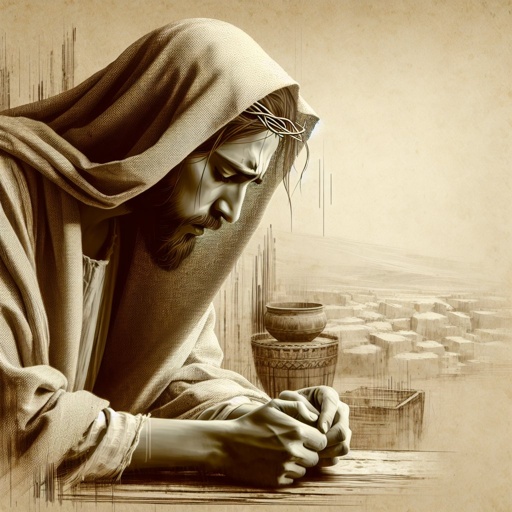
John 11:35 - "Jesus wept."

John (11:35) Jesus wept.

John (11:35) Jesus wept.

John (11:35) Jesus wept.

John (11:35) Jesus wept.

John (11:35) Jesus wept.

John 13:31-35

"Jesus wept." - John 11:35

1 John 3:5 - "And ye know that he was manifested to take away our sins; and in him is no sin."

John 8:35 - "And the servant abideth not in the house for ever: but the Son abideth ever."

"¶ Again the next day after John stood, and two of his disciples;" - John 1:35

John 10:35 - "If he called them gods, unto whom the word of God came, and the scripture cannot be broken;"

John 5:35 - "He was a burning and a shining light: and ye were willing for a season to rejoice in his light."