What does John 3:20 mean?
"For every one that doeth evil hateth the light, neither cometh to the light, lest his deeds should be reproved." - John 3:20

John 3:20 (KJV) states: "For every one that doeth evil hateth the light, neither cometh to the light, lest his deeds should be reproved."
This verse is a continuation of the dialogue between Jesus and Nicodemus, a Pharisee and a ruler of the Jews, as recorded in the Gospel of John. It delves into the concept of light and darkness, the contrast between good and evil, and the human response to truth and righteousness.
The verse begins with the declaration that those who engage in evil deeds have a natural aversion to the light. This is a metaphorical representation of the contrast between darkness, which is associated with evil and deceit, and light, which symbolizes truth, righteousness, and God's presence. The light is not only a literal source of illumination, but it also represents spiritual enlightenment and the manifestation of God's truth in the world.
The rejection of the light by those who do evil is rooted in their unwillingness to be exposed or confronted with the truth of their actions. They prefer to operate in the shadows, where their deeds remain hidden and unchallenged. The light, on the other hand, illuminates and reveals the reality of their wrongdoing, making it impossible for them to continue in their sinful ways without being called to account.
The concept of "coming to the light" is significant in this verse. It implies a deliberate choice to seek and embrace truth, righteousness, and God's presence. Those who do evil, however, actively avoid the light, refusing to expose themselves to its convicting power. This avoidance is driven by a deep-seated aversion to having their deeds scrutinized and their sinful nature exposed. It reflects a state of spiritual darkness and moral blindness, where the allure of sin and the deception of evil overshadow the potential for redemption and transformation.
The fear of having one's deeds reproved is another key element of this verse. Reproval implies correction, rebuke, or judgment for wrongdoing. The refusal to come to the light is motivated by the dread of facing the consequences of sinful actions and the discomfort of undergoing moral scrutiny. It points to the human inclination to conceal and rationalize sin, rather than acknowledging and repenting of it.
In a broader sense, John 3:20 addresses the universal struggle between good and evil, and the tension between human nature and divine truth. It highlights the fundamental choice that individuals must make between embracing the light of God's righteousness or persisting in the darkness of sin and spiritual blindness. The verse serves as a poignant reminder of the pervasive impact of sin and the profound need for salvation and redemption.
The context of this verse within the larger narrative of John's Gospel underscores its significance. The conversation between Jesus and Nicodemus is centered on the theme of spiritual rebirth and the necessity of faith in Jesus as the Son of God. John 3:16, which precedes the verse in question, famously encapsulates the essence of the Christian message: "For God so loved the world, that he gave his only begotten Son, that whosoever believeth in him should not perish, but have everlasting life." The subsequent verses further elaborate on the transformative power of faith in Christ and the fundamental division between those who embrace the light of salvation and those who reject it.
Symbolically, the light represents the presence and truth of God, while darkness signifies the condition of sin and separation from God. The rejection of the light symbolizes the human tendency to resist God's grace and truth, and to persist in sinful ways. This imagery reinforces the broader theological themes of redemption, judgment, and the imperative of seeking spiritual illumination through faith in Christ.
In conclusion, John 3:20 is a profound and illuminating verse that addresses the timeless struggle between good and evil, the human response to truth and righteousness, and the transformative power of faith in Christ. It challenges individuals to confront their moral choices and acknowledge the need for spiritual rebirth and redemption. As a foundational element of the Gospel of John, it contributes to the overarching message of God's love, grace, and the offer of salvation through faith in Jesus Christ.
Have questions about John 3:20?
Dive deeper into this scripture with Bible Chat — an AI-powered tool for exploring God's Word through conversation. Ask questions, get context, and grow in your understanding of the Bible.
Get Our Apps


John 3:20 Artwork

1 John 3:20 - "For if our heart condemn us, God is greater than our heart, and knoweth all things."

John 3:20 - "For every one that doeth evil hateth the light, neither cometh to the light, lest his deeds should be reproved."

1 John 3:20-21 For if our heart condemn us, God is greater than our heart, and knoweth all things. Beloved, if our heart condemn us not, then have we confidence toward God.

"For if our heart condemn us, God is greater than our heart, and knoweth all things." - 1 John 3:20

1 John 3:20-21 For if our heart condemn us, God is greater than our heart, and knoweth all things. Beloved, if our heart condemn us not, then have we confidence toward God. (Picture only no words)

1 John 3:20-21 For if our heart condemn us, God is greater than our heart, and knoweth all things. Beloved, if our heart condemn us not, then have we confidence toward God. (Picture only no words)

"For every one that doeth evil hateth the light, neither cometh to the light, lest his deeds should be reproved." - John 3:20

John 20:3 - "Peter therefore went forth, and that other disciple, and came to the sepulchre."

Luke 3:20 - "Added yet this above all, that he shut up John in prison."

"Peter therefore went forth, and that other disciple, and came to the sepulchre." - John 20:3

"Added yet this above all, that he shut up John in prison." - Luke 3:20

1 John 3:19-20 - "By this we know that we are of the truth, and shall assure our hearts before Him. For if our heart condemns us, God is greater than our heart, and knows all things."

John 20:21

John 20:14

John 20:27

John 20:27

John 3:19-20 - "And this is the condemnation, that light is come into the world, and men loved darkness rather than light, because their deeds were evil. For every one that doeth evil hateth the light, neither cometh to the light, lest his deeds should be reproved."

John 20:11-12

John 20:11-13

John 3:3

John 20:30-31

John 3:24 - "For John was not yet cast into prison."
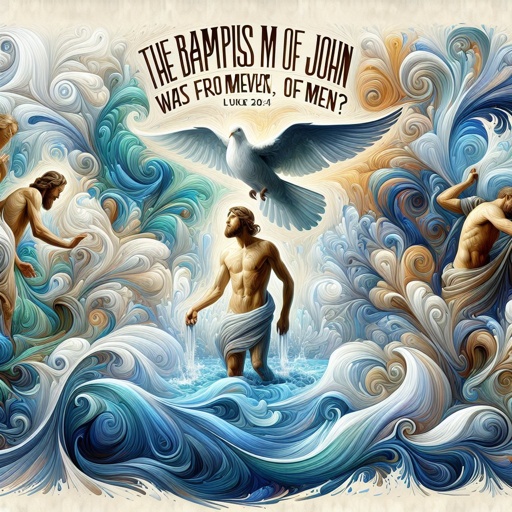
Luke 20:4 - "The baptism of John, was it from heaven, or of men?"

John 3:3-8

John 6:20 - "But he saith unto them, It is I; be not afraid."

John 3
John 1:20 - "And he confessed, and denied not; but confessed, I am not the Christ."

1 John 3:1-3

John 20:10 - "Then the disciples went away again unto their own home."

John 3:16