What does John 3:14-15 mean?
"And as Moses lifted up the serpent in the wilderness, even so must the Son of man be lifted up: That whosoever believeth in him should not perish, but have eternal life." - John 3:14-15
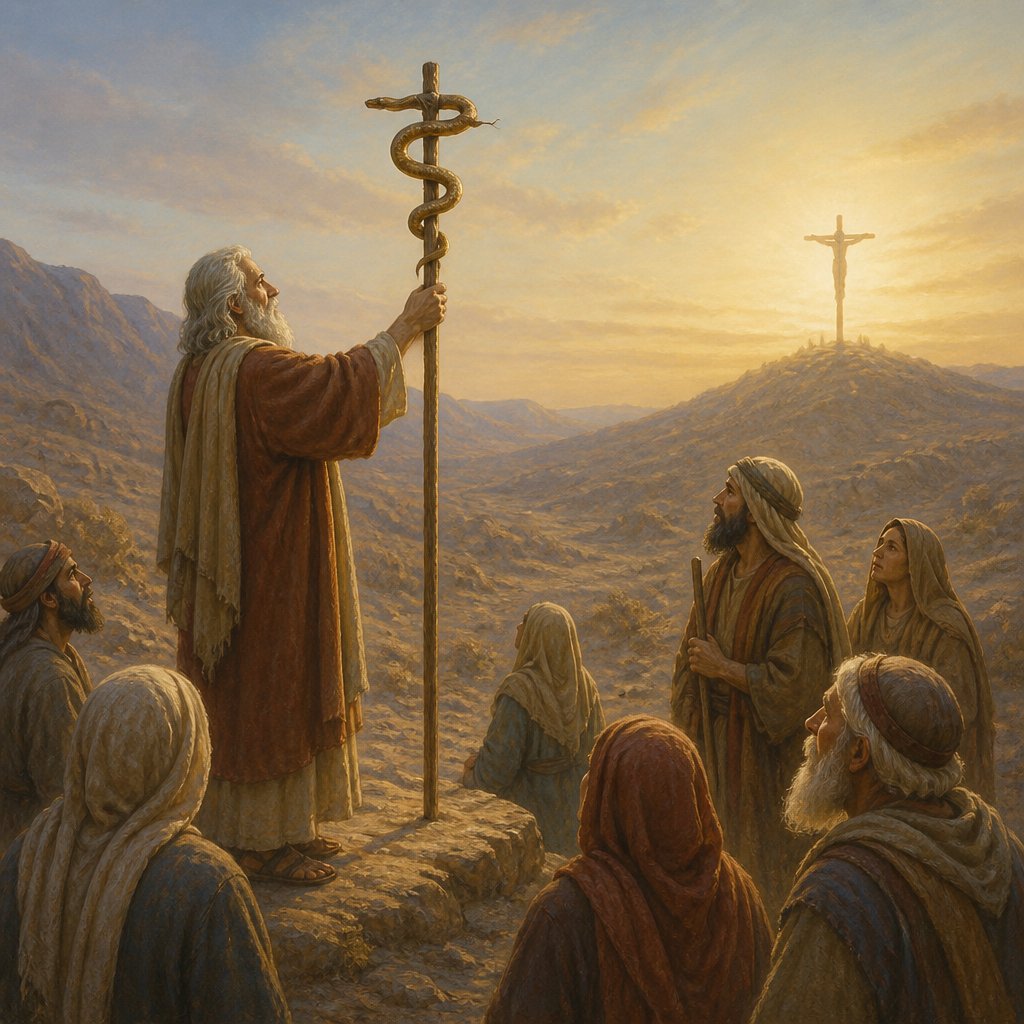
John 3:14-15 in the King James Version (KJV) states, “And as Moses lifted up the serpent in the wilderness, even so must the Son of man be lifted up: That whosoever believeth in him should not perish, but have eternal life.”
This passage is found in the New Testament and it is a part of the conversation between Jesus and Nicodemus, a Pharisee and a member of the Jewish ruling council. Nicodemus came to Jesus at night to seek answers and understandings about the nature of Jesus’ teachings and his identity. Jesus speaks to Nicodemus about being born again and the necessity of the Son of Man being lifted up, which refers to the crucifixion, in order for believers to have eternal life.
The verse has deep spiritual meanings and Christian symbolism. To understand the depth of this verse, we need to explore its multiple layers of meaning, including the historical, cultural, and theological context in which it was spoken.
The reference to Moses lifting up the serpent in the wilderness comes from an incident in the book of Numbers. The Israelites were complaining against God and Moses during their journey through the wilderness. In response, God sent venomous snakes among the people, and many Israelites were bitten and died. When the people repented and asked for help, God instructed Moses to make a bronze serpent and put it on a pole. Anyone who looked at the serpent would live. This event serves as a type or prefigurement of the crucifixion of Christ. The bronze serpent on the pole was a symbol of healing and deliverance, just as Jesus’ crucifixion would become a means of salvation for all who believe in him.
In this verse, Jesus is comparing his impending crucifixion to the lifting up of the serpent by Moses. This comparison is one of the key themes of the passage and it serves as a powerful illustration of Jesus as the divine Savior. Just as the bronze serpent on the pole was a remedy for the Israelites who had been bitten by the snakes, so too is Jesus’ sacrifice a remedy for sin and death. This comparison underscores the importance of Jesus’ sacrifice as the means by which humanity can be saved and have eternal life.
The central theme of this verse is the concept of salvation through faith in Jesus Christ. Just as the Israelites had to trust in God’s provision of healing through the bronze serpent, so too must believers trust in Jesus’ sacrifice on the cross for their salvation. The phrase “whosoever believeth in him should not perish, but have eternal life” encapsulates the core message of the Gospel – that salvation is available to all who believe in Jesus as the Son of God and the Savior of the world.
The verse also emphasizes the universal aspect of salvation. The use of “whosoever” highlights the inclusive nature of the Gospel – that it is not limited to a particular group of people, but is available to all who believe. This echoes the overarching theme of God’s love and grace for the entire world, as seen in other well-known verses such as John 3:16.
In addition to these themes, the passage also conveys the concept of substitutionary atonement. Jesus’ statement that “even so must the Son of man be lifted up” points to the necessity of his sacrificial death on the cross as the means of atonement for the sins of humanity. This idea is foundational to Christian theology and it underscores the belief that Jesus’ death was an atoning sacrifice that reconciles humanity to God.
Symbolically, the lifting up of Jesus on the cross represents the triumph of love over sin and death. It serves as a powerful symbol of God’s redemptive plan for humanity and the victory of Christ over the powers of darkness. The image of Jesus being “lifted up” also conveys the exaltation of Christ as the King of kings and Lord of lords, as well as the source of healing and salvation for all who come to him in faith.
In conclusion, John 3:14-15 in the King James Version is a profound and multi-layered passage that conveys timeless truths about the nature of salvation, the significance of Jesus’ sacrifice, and the inclusive love of God for all people. It encapsulates the core message of the Gospel and serves as a powerful declaration of the redemptive work of Christ. This verse continues to be a source of inspiration and hope for believers, as it points to the ultimate victory of love and grace through the crucifixion and resurrection of Jesus Christ.
Have questions about John 3:14-15?
Dive deeper into this scripture with Bible Chat — an AI-powered tool for exploring God's Word through conversation. Ask questions, get context, and grow in your understanding of the Bible.
Get Our Apps


John 3:14-15 Artwork
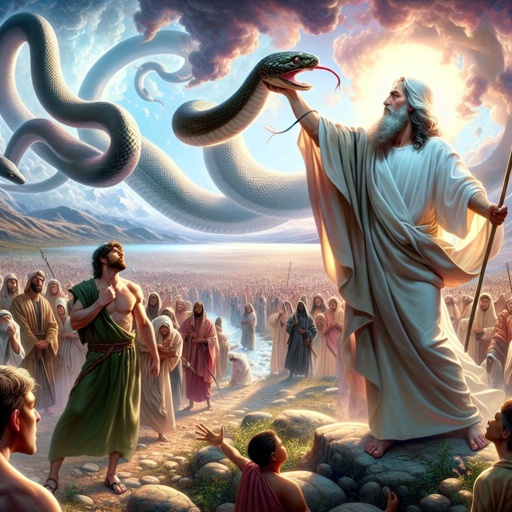
John 3:14-15 - "And as Moses lifted up the serpent in the wilderness, even so must the Son of man be lifted up: That whosoever believeth in him should not perish, but have eternal life."
"And as Moses lifted up the serpent in the wilderness, even so must the Son of man be lifted up: That whosoever believeth in him should not perish, but have eternal life." - John 3:14-15

John 3:14

John 14:15-21

numbers 21:8-9 & John 3:14

John 14:15 - "¶ If ye love me, keep my commandments."

John 15:14 - "Ye are my friends, if ye do whatsoever I command you."

John 3:15 - "That whosoever believeth in him should not perish, but have eternal life."

"¶ If ye love me, keep my commandments." - John 14:15
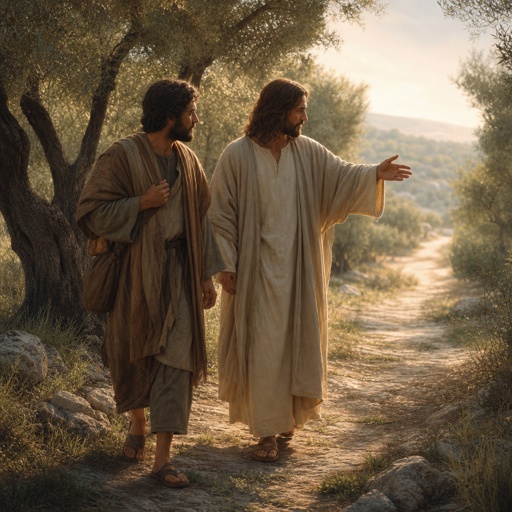
"¶ If ye love me, keep my commandments." - John 14:15

John 15:3 - "Now ye are clean through the word which I have spoken unto you."

John 3:14 - "¶ And as Moses lifted up the serpent in the wilderness, even so must the Son of man be lifted up:"

Luke 3:15 - "And as the people were in expectation, and all men mused in their hearts of John, whether he were the Christ, or not;"

Matthew 3:14 - "But John forbad him, saying, I have need to be baptized of thee, and comest thou to me?"

1 John 3:15 - "Whosoever hateth his brother is a murderer: and ye know that no murderer hath eternal life abiding in him."

Matthew 14:3 - "¶ For Herod had laid hold on John, and bound him, and put him in prison for Herodias' sake, his brother Philip's wife."
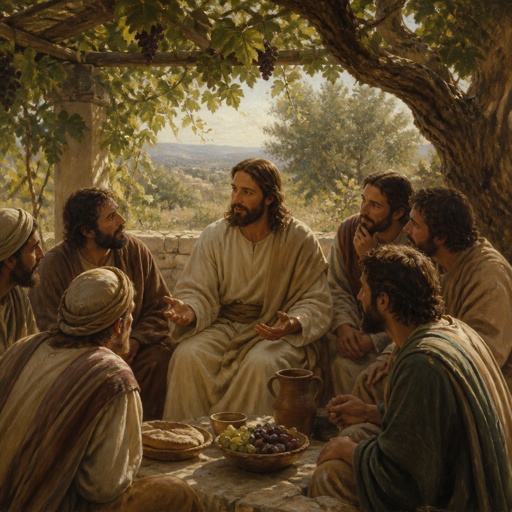
"Ye are my friends, if ye do whatsoever I command you." - John 15:14

"That whosoever believeth in him should not perish, but have eternal life." - John 3:15

John 14:3 - "And if I go and prepare a place for you, I will come again, and receive you unto myself; that where I am, there ye may be also."

1 John 3:14 - "We know that we have passed from death unto life, because we love the brethren. He that loveth not his brother abideth in death."

Mark 1:14-15 - "Now after John was arrested, Jesus came to Galilee, proclaiming the good news of God, and saying, "The time is fulfilled, and the kingdom of God has come near; repent, and believe in the good news.""

3 John 1:14 - "But I trust I shall shortly see thee, and we shall speak face to face. Peace be to thee. Our friends salute thee. Greet the friends by name."
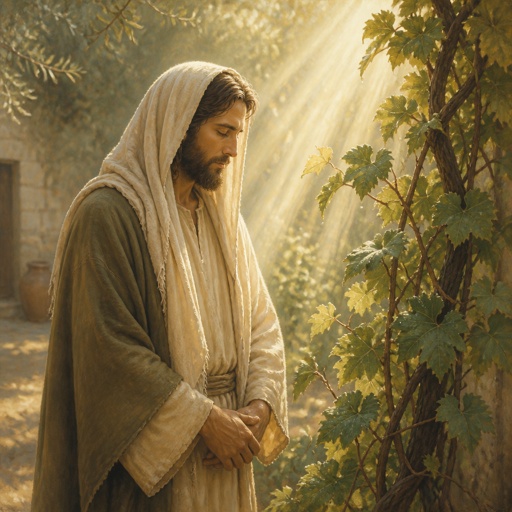
"Now ye are clean through the word which I have spoken unto you." - John 15:3

John 15:7

"And as the people were in expectation, and all men mused in their hearts of John, whether he were the Christ, or not;" - Luke 3:15

John 15:7

John 14

John 14:30
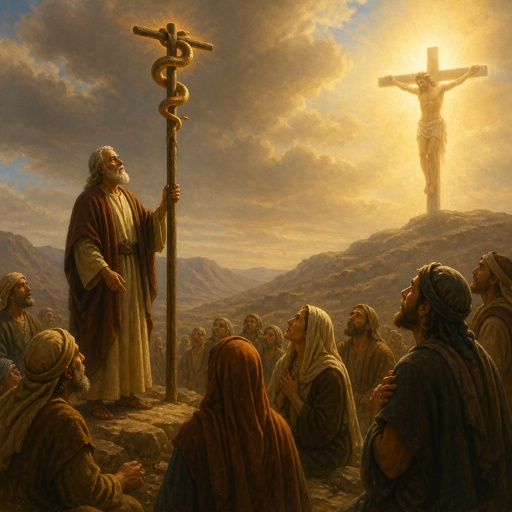
"¶ And as Moses lifted up the serpent in the wilderness, even so must the Son of man be lifted up:" - John 3:14

1 John 5:14-15 - "And this is the confidence that we have toward him, that if we ask anything according to his will he hears us. And if we know that he hears us in whatever we ask, we know that we have the requests that we have asked of him."