What does John 2:7 mean?
"Jesus saith unto them, Fill the waterpots with water. And they filled them up to the brim." - John 2:7
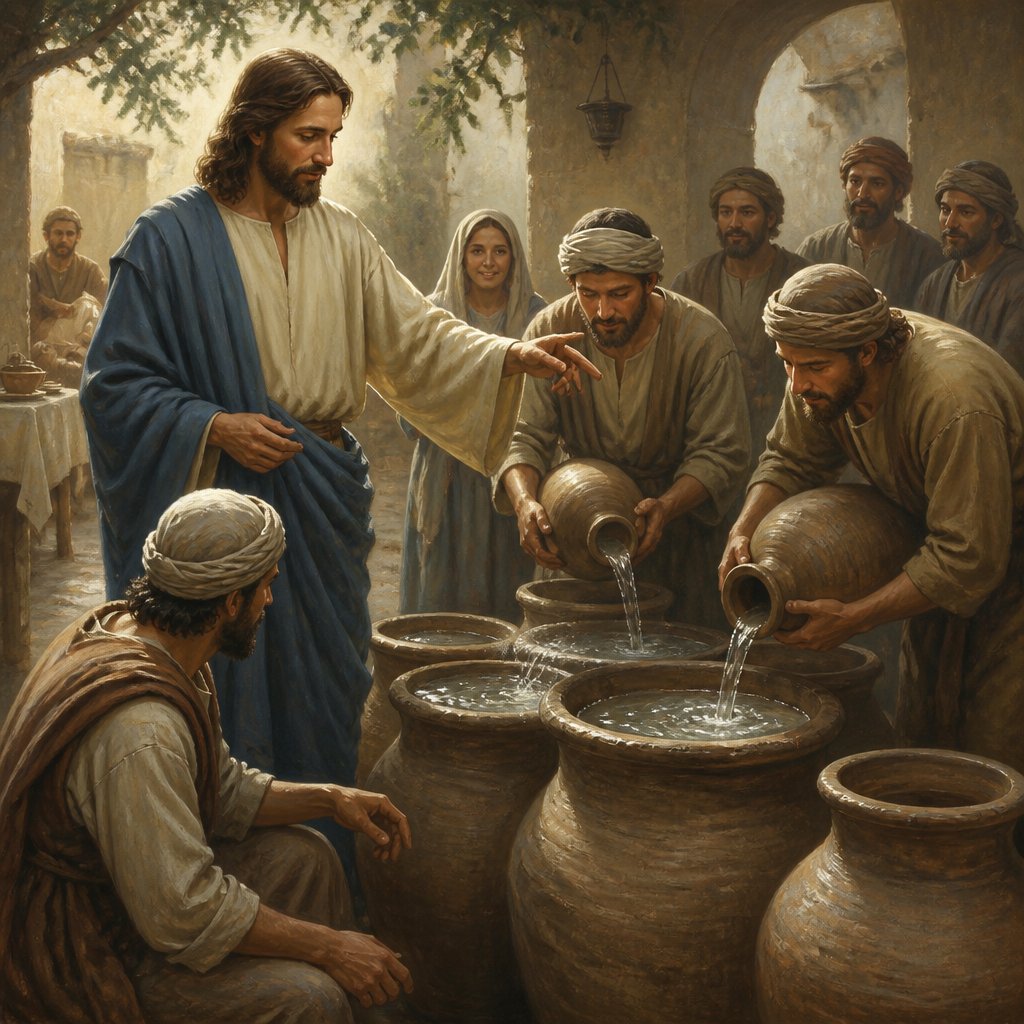
The Bible verse John 2:7 in the King James Version reads, "Jesus saith unto them, Fill the waterpots with water. And they filled them up to the brim." This verse is part of the story of Jesus turning water into wine at the wedding in Cana.
The context of this verse is significant in understanding its meaning and implications. The story begins with Jesus and his disciples attending a wedding in Cana, where they run out of wine. Jesus' mother, Mary, informs him of the situation, and although Jesus initially seems reluctant to perform a miracle, Mary instructs the servants to do whatever Jesus tells them. This sets the stage for the miraculous event that follows.
In this verse, Jesus instructs the servants to fill the waterpots with water, and they obey by filling them up to the brim. This simple action sets the stage for the miraculous transformation of the water into wine, which is a demonstration of Jesus' divine power and authority. The specific details of the waterpots being filled to the brim are significant, as it reflects the fullness and abundance of God's blessings.
The themes present in this verse and the surrounding story are numerous. One prominent theme is the power and authority of Jesus, as demonstrated through his ability to perform miracles. This story also highlights the theme of abundance and provision, as Jesus not only provides wine for the wedding feast but does so in abundance, showcasing the generosity and abundance of God's blessings.
Another important theme in this verse is obedience and faith. The servants' obedience to Jesus' instructions, despite the seemingly mundane and ordinary task of filling waterpots, is a crucial part of the story. Their willingness to obey without fully understanding the significance of their actions reflects the kind of faith and obedience that is required of believers. This theme serves as a reminder that God often works through ordinary and seemingly insignificant actions to bring about extraordinary results.
The symbolism in this verse is rich and significant. The waterpots themselves are symbolic of purification and ritual cleansing in the Jewish tradition, and their use in this miracle serves as a foreshadowing of the new and abundant life that Jesus brings. The act of filling the waterpots to the brim symbolizes the fullness of God's blessings and provision, as well as the attention to detail and completeness in God's work. The transformation of water into wine symbolizes the transformation and renewal that Jesus brings, turning something ordinary into something extraordinary.
In a broader context, this story and verse also serve to establish the identity of Jesus as the Messiah and Son of God. By performing this miracle, Jesus demonstrates his divine power and authority, setting the stage for the many other miracles and teachings that follow in his ministry.
In conclusion, the Bible verse John 2:7 in the King James Version holds deep meaning and significance within the larger context of the story of Jesus turning water into wine. It highlights themes of obedience, faith, abundance, and God's provision, while also carrying rich symbolism that points to the transformative power of Jesus and his identity as the Son of God. This verse serves as a reminder of the extraordinary ways in which God works through the seemingly ordinary and mundane aspects of life, and it invites believers to embrace a faith that is willing to obey and trust in God's ability to bring about miraculous transformation.
Have questions about John 2:7?
Dive deeper into this scripture with Bible Chat — an AI-powered tool for exploring God's Word through conversation. Ask questions, get context, and grow in your understanding of the Bible.
Get Our Apps


John 2:7 Artwork

John 2:7 - "Jesus saith unto them, Fill the waterpots with water. And they filled them up to the brim."

1 John 2:7 - "Brethren, I write no new commandment unto you, but an old commandment which ye had from the beginning. The old commandment is the word which ye have heard from the beginning."
"Jesus saith unto them, Fill the waterpots with water. And they filled them up to the brim." - John 2:7
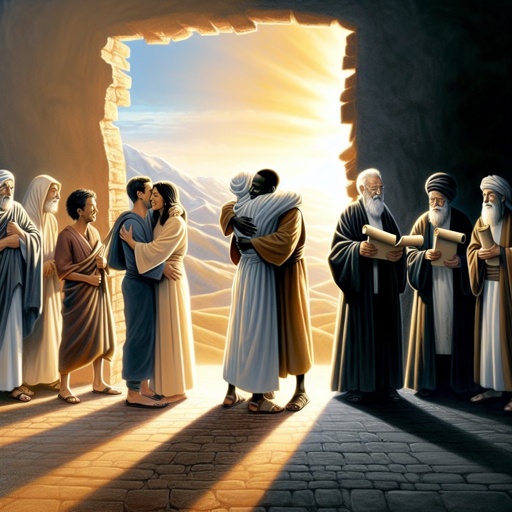
1 John 2:7-11 - "Brethren, I write no new commandment unto you, but an old commandment which ye had from the beginning. The old commandment is the word which ye have heard from the beginning. Again, a new commandment I write unto you, which thing is true in him and in you: because the darkness is past, and the true light now shineth. He that saith he is in the light, and hateth his brother, is in darkness even until now. He that loveth his brother abideth in the light, and there is none occasion of stumbling in him. But he that hateth his brother is in darkness, and walketh in darkness, and knoweth not whither he goeth, because that darkness hath blinded his eyes."

"Brethren, I write no new commandment unto you, but an old commandment which ye had from the beginning. The old commandment is the word which ye have heard from the beginning." - 1 John 2:7
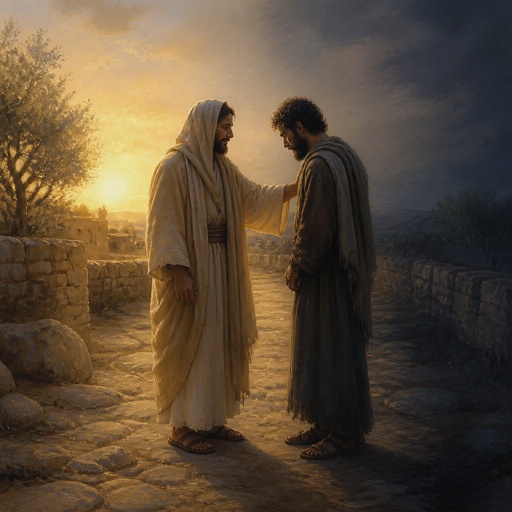
"Brethren, I write no new commandment unto you, but an old commandment which ye had from the beginning. The old commandment is the word which ye have heard from the beginning. Again, a new commandment I write unto you, which thing is true in him and in you: because the darkness is past, and the true light now shineth. He that saith he is in the light, and hateth his brother, is in darkness even until now. He that loveth his brother abideth in the light, and there is none occasion of stumbling in him. But he that hateth his brother is in darkness, and walketh in darkness, and knoweth not whither he goeth, because that darkness hath blinded his eyes." - 1 John 2:7-11

John 7:2 - "Now the Jews' feast of tabernacles was at hand."
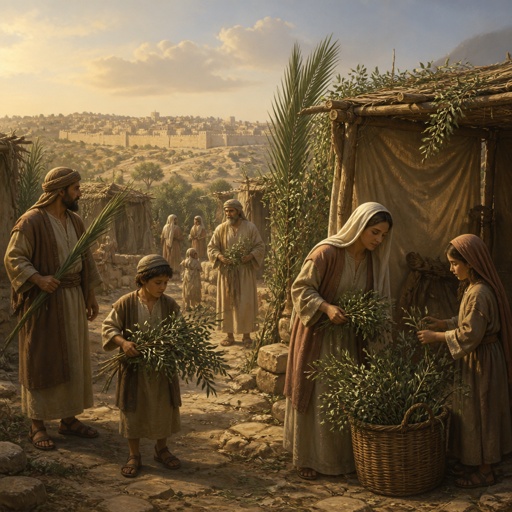
"Now the Jews' feast of tabernacles was at hand." - John 7:2

2 John 1:7 - "For many deceivers are entered into the world, who confess not that Jesus Christ is come in the flesh. This is a deceiver and an antichrist."
John 7:38

John 15:7

John 7:38

John 15:7

John 7:38

John 7:38

John 7:17-18

John 7:37-39

John 7:17-18

John 7:37-39

John 7:17-18

John 7:17-18

John 7:38

John 7:38

John 7:38

John 7:7 - "The world cannot hate you; but me it hateth, because I testify of it, that the works thereof are evil."

John 4:6-7

John 7:49 - "But this people who knoweth not the law are cursed."
"For many deceivers are entered into the world, who confess not that Jesus Christ is come in the flesh. This is a deceiver and an antichrist." - 2 John 1:7

John 7:47 - "Then answered them the Pharisees, Are ye also deceived?"

John 7:24 - "Judge not according to the appearance, but judge righteous judgment."