What does John 2:6 mean?
"And there were set there six waterpots of stone, after the manner of the purifying of the Jews, containing two or three firkins apiece." - John 2:6
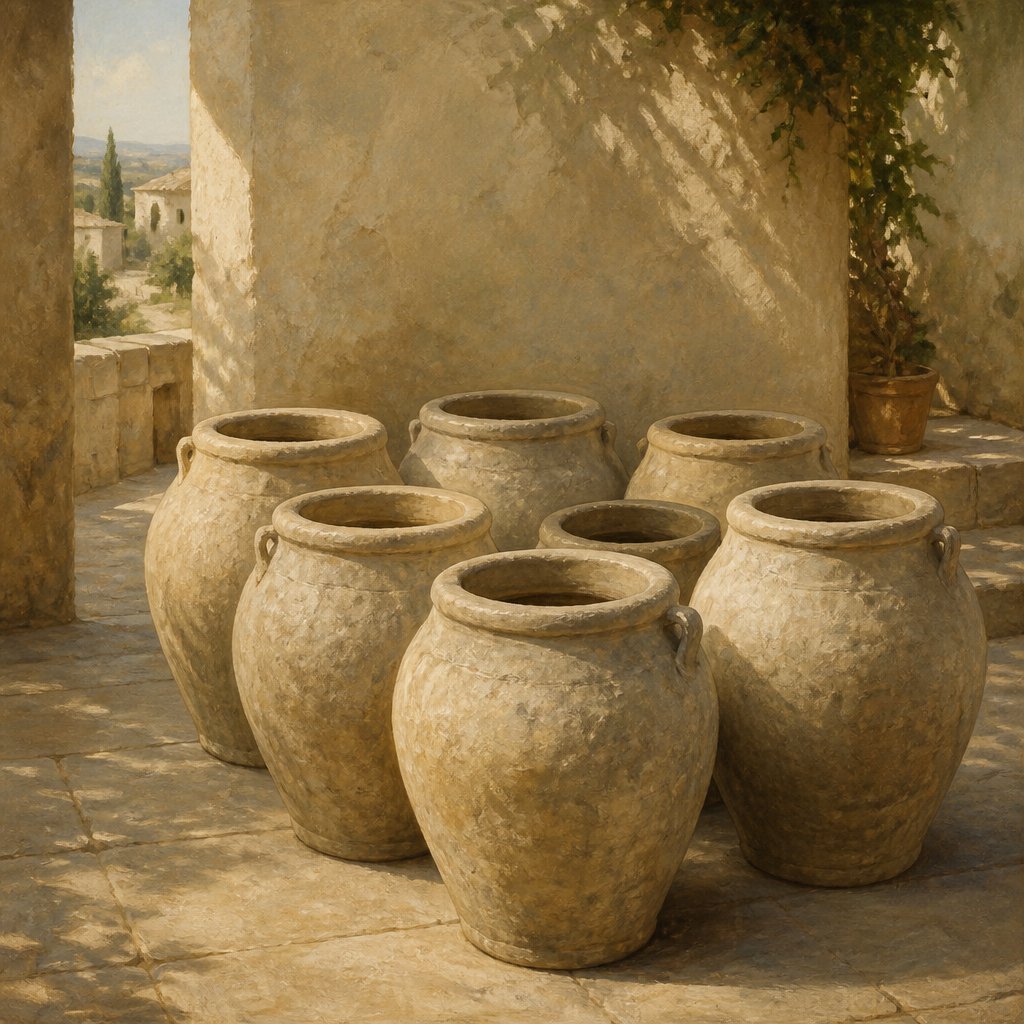
In the Gospel of John, specifically in John 2:6, we encounter the story of the wedding at Cana, where Jesus performs his first miracle by turning water into wine. This verse holds significant meaning and symbolism within the context of the narrative and the broader themes of the Gospel of John.
Before delving into the specific verse, it is important to understand the broader context of the wedding at Cana. The event is the setting for Jesus' first public miracle, thus marking the beginning of his public ministry. The presence of Jesus, his mother, and his disciples at a wedding feast underscores the significance of marriage and the celebration of love and unity. Additionally, the fact that Jesus chose this occasion to perform his first miracle further emphasizes the sanctity and importance of marriage and the celebration of love.
Now, focusing specifically on John 2:6, the verse states: "And there were set there six waterpots of stone, after the manner of the purifying of the Jews, containing two or three firkins apiece."
This verse provides a detailed description of the setting in which the miracle takes place. The mention of the six stone waterpots is significant as it reflects the adherence to Jewish purification rituals. In Jewish tradition, purification was of great importance, and these stone waterpots were used for ceremonial washing in accordance with the Jewish customs and traditions. The fact that six waterpots are mentioned can also be interpreted as a symbolic representation of the imperfection and limitations of human tradition and ritual, which is contrasted with the divine and miraculous work of Jesus in the subsequent miracle.
The use of stone waterpots also holds symbolic significance. In biblical imagery, stone is often associated with stability, permanence, and strength. The choice of stone waterpots may be indicative of the enduring nature of the miracle that is about to take place, as well as the steadfastness and reliability of Jesus' power and authority.
The mention of the "purifying of the Jews" further emphasizes the significance of the Jewish traditions and rituals. It also serves to highlight the contrast between the external acts of purification and the internal transformation that Jesus brings about through his miraculous intervention. This sets the stage for the transformative power of Jesus' miracle, as it transcends the limitations of human tradition and ritual, and brings about a deeper, spiritual transformation.
Moreover, the specific mention of the waterpots containing "two or three firkins apiece" adds a layer of detail and authenticity to the narrative. This level of detail not only gives a sense of historical accuracy but also serves to emphasize the abundance and generosity of the miracle that is about to take place. The sheer quantity of water being turned into wine underscores the extravagant nature of Jesus' miracle and his ability to bring about abundance from scarcity.
In conclusion, John 2:6 holds immense significance within the broader context of the wedding at Cana and the Gospel of John. It sets the stage for the transformative miracle that is about to take place, emphasizing the contrast between human tradition and divine intervention, and highlighting the abundance and generosity of Jesus' miraculous power. The verse serves as a powerful symbol of the enduring nature of Jesus' transformative work and his ability to bring about abundance and joy in the most unexpected ways.
Have questions about John 2:6?
Dive deeper into this scripture with Bible Chat — an AI-powered tool for exploring God's Word through conversation. Ask questions, get context, and grow in your understanding of the Bible.
Get Our Apps


John 2:6 Artwork

1 John 2:6 - "He that saith he abideth in him ought himself also so to walk, even as he walked."

John 2:6 - "And there were set there six waterpots of stone, after the manner of the purifying of the Jews, containing two or three firkins apiece."

"He that saith he abideth in him ought himself also so to walk, even as he walked." - 1 John 2:6

1Jn 2:6 (KJVA) 6 He that saith he abideth in him ought himself also so to walk, even as he walked.
"And there were set there six waterpots of stone, after the manner of the purifying of the Jews, containing two or three firkins apiece." - John 2:6

1Jn 2:6 (KJVA) 6 He that saith he abideth in him ought himself also so to walk, even as he walked.

2 John 1:6 – "And this is love: that we walk in obedience to his commands."

2 John 1:6 – "And this is love: that we walk in obedience to his commands."

John 6:2 - "And a great multitude followed him, because they saw his miracles which he did on them that were diseased."

2 John 1:6 - "And this is love, that we walk after his commandments. This is the commandment, That, as ye have heard from the beginning, ye should walk in it."
John 1:6 - "¶ There was a man sent from God, whose name was John."

John 6:63

John 6:63

John 6:63

John 6:63
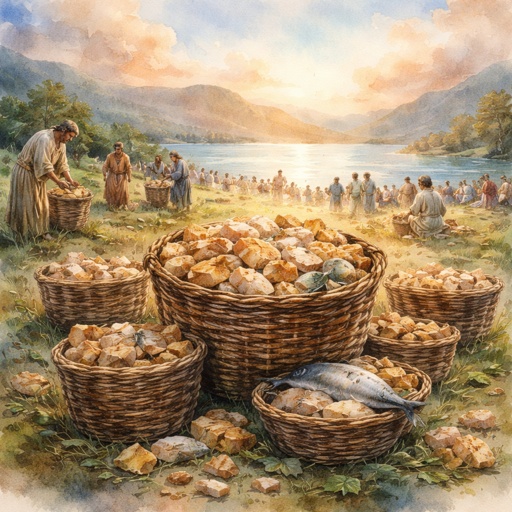
John 6:12

John 6:40

John 21:6

John 14:6

John 21:6

John 6:16

John 6:37

John 21:6

John 6:40

John 21:6

John 6:8-9

JOHN 6:11-13

John 6:6 - "And this he said to prove him: for he himself knew what he would do."

John 4:6-7

John 6:48 - "I am that bread of life."