What does John 2:24 mean?
"But Jesus did not commit himself unto them, because he knew all men," - John 2:24
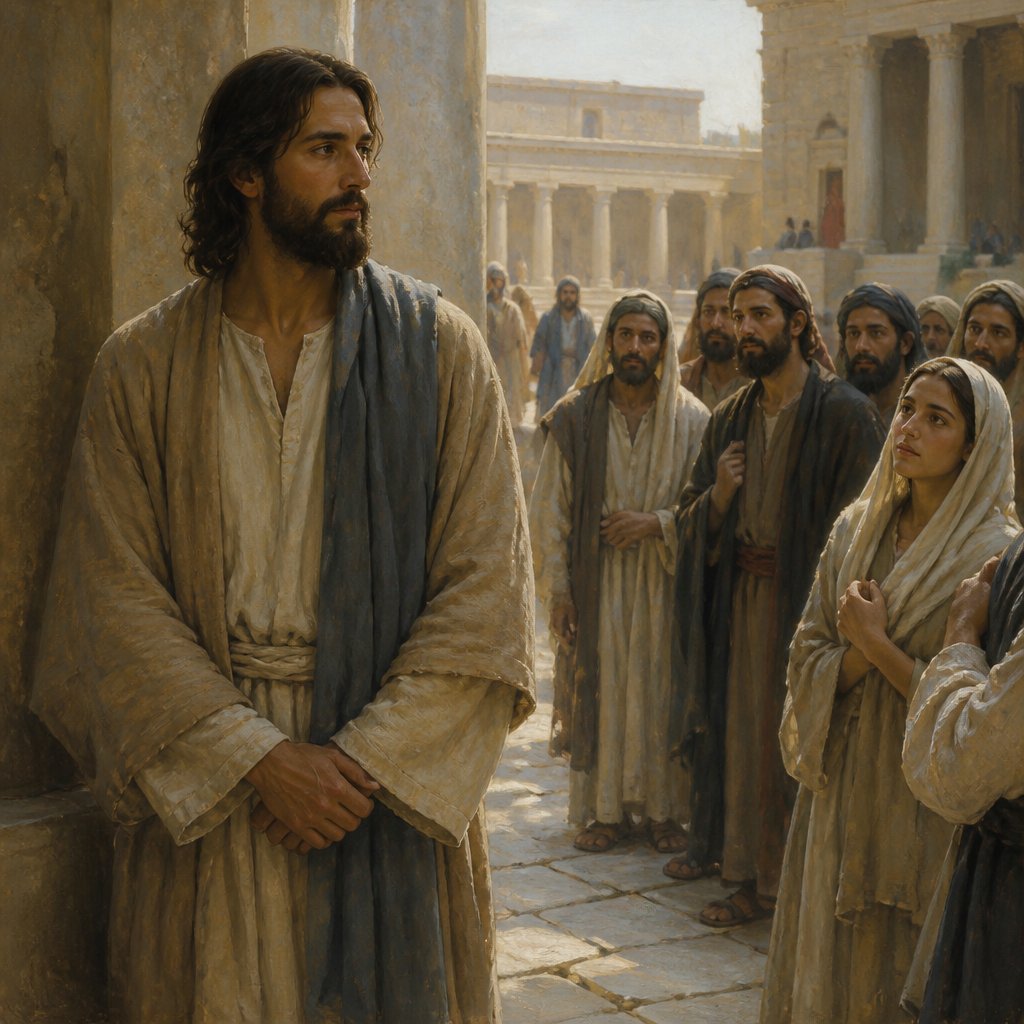
John 2:24 in the King James Version (KJV) of the Bible reads: "But Jesus did not commit himself unto them, because he knew all men."
In order to understand the depth of this verse, it is important to consider the context in which it was spoken. This verse comes from the Gospel of John, specifically after Jesus had performed the miracle of turning water into wine at the wedding in Cana. This was the first public miracle that Jesus performed, and it was a demonstration of his power and authority.
The verse speaks to the knowledge and discernment of Jesus. It says that he did not entrust himself to the people, because he knew what was in their hearts. This speaks to the omniscience of Jesus, as he was able to see beyond the outward appearances and understand the true nature of individuals.
One of the overarching themes in the Gospel of John is the divinity of Jesus Christ. Throughout the book, there are numerous instances where Jesus demonstrates his divine nature through miracles, teachings, and interactions with others. In this particular verse, Jesus’ discernment of people’s hearts further emphasizes his divine wisdom and understanding.
The verse also speaks to the fallen nature of humanity. Jesus knew that people were not worthy of his trust, as their hearts were not pure. This highlights the inherent sinfulness of humanity and the need for redemption and salvation through Christ. It also serves as a reminder that God sees beyond the external and judges the heart, which compels believers to strive for purity and sincerity in their faith.
The context of this verse also ties into the broader themes of the Gospel of John, which include the idea of belief and unbelief. Throughout the book, there is a constant tension between those who believe in Jesus and those who do not. This verse serves as a reminder that true belief in Jesus is not simply a matter of outward profession, but rather a matter of the heart. Jesus, with his divine insight, knew who truly believed in him and who did not.
Symbolically, this verse also represents the sovereignty and discernment of Jesus. It underscores that he is not easily swayed by outward appearances or the opinions of others. This speaks to his unwavering commitment to his mission and to the will of the Father. Additionally, it serves as a testament to the unconditional love and grace of God, as Jesus still ministered to and cared for those whom he did not fully entrust himself to.
In conclusion, John 2:24 is a verse that carries profound theological and symbolic significance. It speaks to the divinity of Jesus, the fallen nature of humanity, the theme of belief and unbelief, and the sovereignty and discernment of Christ. It is a reminder of the omniscience and grace of God, and it challenges believers to examine the sincerity of their hearts in their faith. This verse serves as a powerful reminder of the depth and complexity of the character of Jesus Christ, and it inspires reflection and reverence for his divine wisdom and discernment.
Have questions about John 2:24?
Dive deeper into this scripture with Bible Chat — an AI-powered tool for exploring God's Word through conversation. Ask questions, get context, and grow in your understanding of the Bible.
Get Our Apps


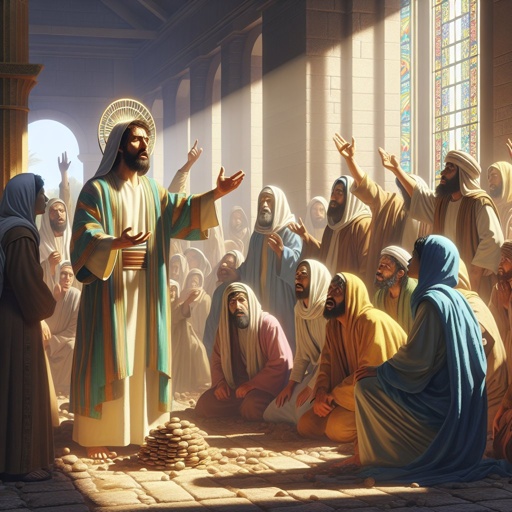
John 2:24 Artwork

John 2:24 - "But Jesus did not commit himself unto them, because he knew all men,"
1 John 2:24 - "Let that therefore abide in you, which ye have heard from the beginning. If that which ye have heard from the beginning shall remain in you, ye also shall continue in the Son, and in the Father."
"But Jesus did not commit himself unto them, because he knew all men," - John 2:24
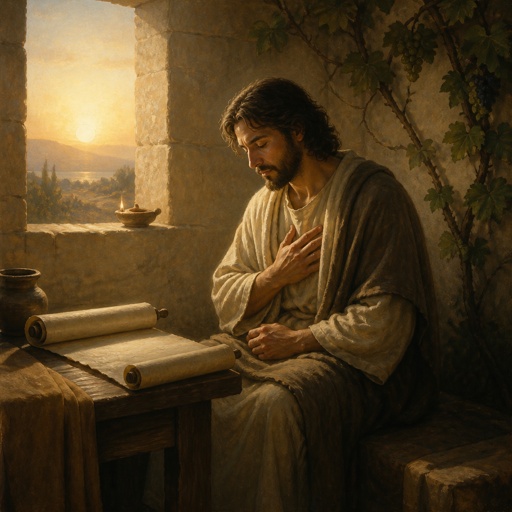
"Let that therefore abide in you, which ye have heard from the beginning. If that which ye have heard from the beginning shall remain in you, ye also shall continue in the Son, and in the Father." - 1 John 2:24

John 2:4 - "Jesus saith unto her, Woman, what have I to do with thee? mine hour is not yet come."

1 John 2:4 - "He that saith, I know him, and keepeth not his commandments, is a liar, and the truth is not in him."

John 3:24 - "For John was not yet cast into prison."
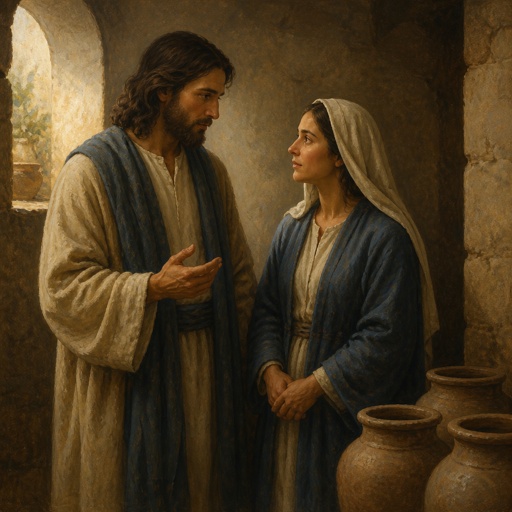
"Jesus saith unto her, Woman, what have I to do with thee? mine hour is not yet come." - John 2:4

"For John was not yet cast into prison." - John 3:24

John 1:24 - "And they which were sent were of the Pharisees."

John 7:24 - "Judge not according to the appearance, but judge righteous judgment."

"He that saith, I know him, and keepeth not his commandments, is a liar, and the truth is not in him." - 1 John 2:4

John 20:24 - "¶ But Thomas, one of the twelve, called Didymus, was not with them when Jesus came."

John 4:24 - "God is a Spirit: and they that worship him must worship him in spirit and in truth."

Luke 7:24 - "¶ And when the messengers of John were departed, he began to speak unto the people concerning John, What went ye out into the wilderness for to see? A reed shaken with the wind?"

John 18:24 - "Now Annas had sent him bound unto Caiaphas the high priest."

John 21:24 - "This is the disciple which testifieth of these things, and wrote these things: and we know that his testimony is true."
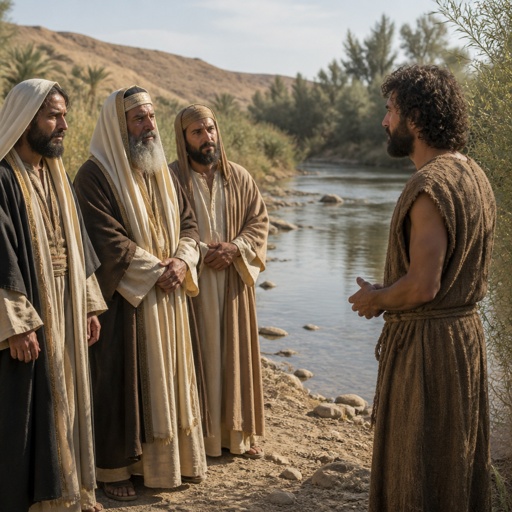
"And they which were sent were of the Pharisees." - John 1:24

Acts 13:24 - "When John had first preached before his coming the baptism of repentance to all the people of Israel."
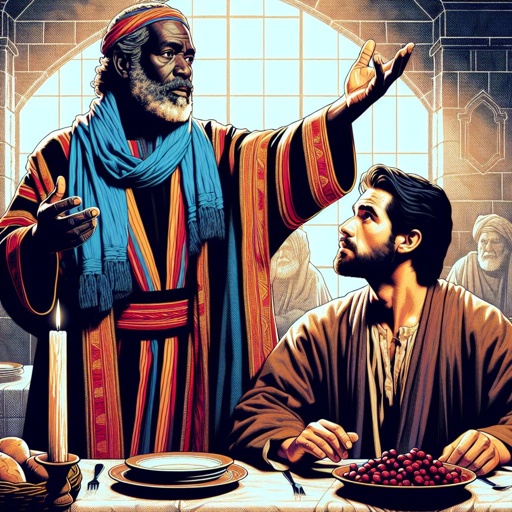
John 13:24 - "Simon Peter therefore beckoned to him, that he should ask who it should be of whom he spake."

John 11:24 - "Martha saith unto him, I know that he shall rise again in the resurrection at the last day."
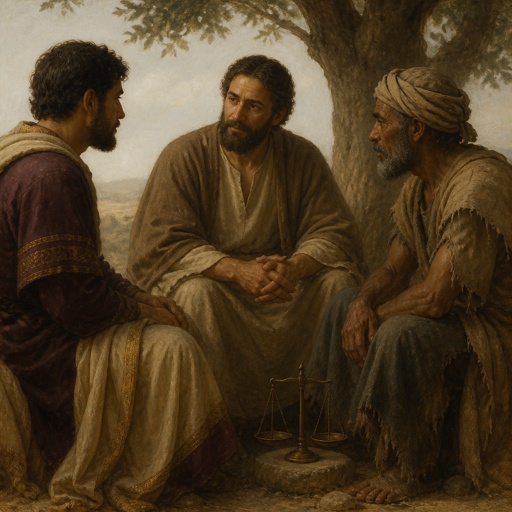
"Judge not according to the appearance, but judge righteous judgment." - John 7:24
John 9:24 - "Then again called they the man that was blind, and said unto him, Give God the praise: we know that this man is a sinner."

John 14:24 - "He that loveth me not keepeth not my sayings: and the word which ye hear is not mine, but the Father's which sent me."

John 6:24 - "When the people therefore saw that Jesus was not there, neither his disciples, they also took shipping, and came to Capernaum, seeking for Jesus."

John 16:24 - "Hitherto have ye asked nothing in my name: ask, and ye shall receive, that your joy may be full."

Mark 6:24 - "And she went forth, and said unto her mother, What shall I ask? And she said, The head of John the Baptist."

Genesis 24-2

John 4:24: God is a spirit and they that worship him must worship him in spirit and truth

create image of John 4:24 " All who worship must worship in Spirit and truth"