What does John 20:29 mean?
"Jesus saith unto him, Thomas, because thou hast seen me, thou hast believed: blessed are they that have not seen, and yet have believed." - John 20:29
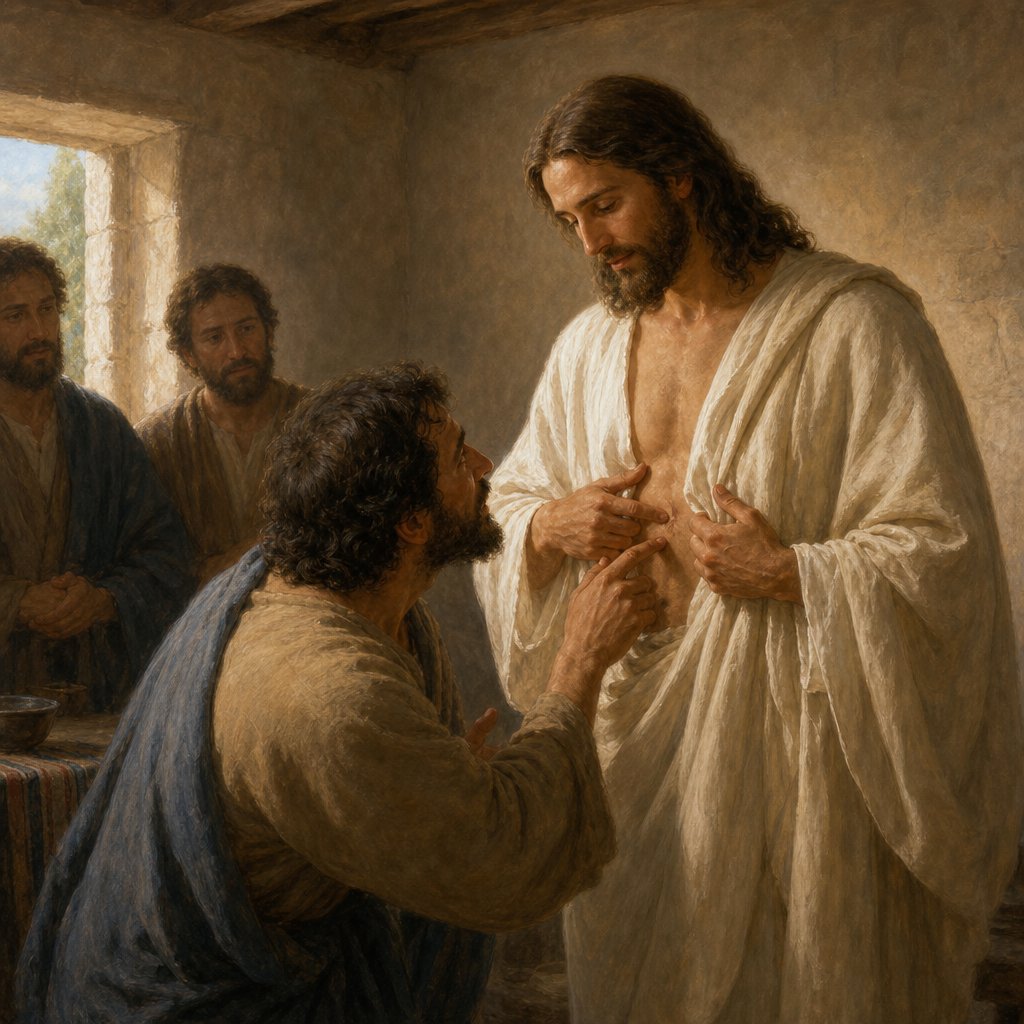
John 20:29 in the King James Version reads, “Jesus saith unto him, Thomas, because thou hast seen me, thou hast believed: blessed are they that have not seen, and yet have believed.” Its meaning comes into focus when it is heard inside its immediate scene and then allowed to echo outward into the purpose of John’s Gospel as a whole.
The context is the risen Christ’s appearance to His disciples after the crucifixion. Thomas, one of the twelve, had not been present when Jesus first appeared, and he refused to accept the testimony of the others without personal, physical proof. The chapter records his demand in plain, bodily terms: he would not believe unless he could see and touch the wounds. When Jesus later stands among them again, He does not merely offer reassurance; He answers Thomas at the exact point of his doubt, inviting him to examine the nail prints and the pierced side. Thomas’ response becomes one of the most direct confessions of Christ’s identity found in the Gospel: “My Lord and my God.” Immediately after that confession, Jesus speaks John 20:29. The verse therefore sits at a turning point: it closes the episode of Thomas’ doubt, and it opens a blessing that reaches beyond the room and beyond that generation.
The first part, “because thou hast seen me, thou hast believed,” is not simply a statement of fact; it exposes the kind of faith Thomas came to only after sight. Thomas’ belief is real and is welcomed—Jesus does not reject him—but it is a belief brought to birth by visible evidence. John has shown throughout his Gospel that Jesus’ “signs” can lead to faith, yet he also shows that signs do not automatically create the deepest kind of trust. Here, sight functions as a threshold Thomas insisted upon crossing before he would yield. Jesus grants it, but His words gently set a limit on it. They imply that faith which depends on seeing is a lesser ground for believing than faith that rests on Christ’s word and witness.
Then comes the heart of the verse: “blessed are they that have not seen, and yet have believed.” In John’s narrative, those “they” are not primarily the disciples in the room but the future believers who would come to faith through apostolic testimony rather than firsthand encounter with the resurrected body of Jesus. This blessing reaches forward to the readers of the Gospel itself. John immediately follows with his stated purpose for writing: “these are written, that ye might believe that Jesus is the Christ, the Son of God; and that believing ye might have life through his name.” The structure matters. Thomas moves from unbelief to belief by sight; the reader is invited to move from the written witness to belief without sight. John 20:29 thus forms a bridge between the resurrection appearances and the ongoing life of the church in the world, where Christ is not physically seen in the same way, yet is truly known and trusted.
The themes include the nature of faith, the reliability of testimony, and the way God gives assurance. John is deeply concerned with “witness.” Throughout the Gospel there are witnesses—John the Baptist, the works of Jesus, the Scriptures, the Father’s testimony, and the disciples’ testimony. In this scene the disciples first bear witness to Thomas, and Thomas refuses their word. Jesus’ response both meets Thomas where he is and also vindicates the principle that believing on faithful witness is not gullibility but a blessed kind of trust. The verse does not praise faith as believing without any basis; it praises faith that believes without the particular basis of physical sight. The basis remains God’s revelation, conveyed through credible witness. That is why the chapter turns immediately to “these are written.” The written Gospel becomes a means by which those who have not seen may nevertheless believe.
Symbolism in the passage gathers around the wounds and the act of seeing. The nail prints and the pierced side are not merely proofs of identity; they are signs that the risen Jesus is the crucified Jesus, the same Lord who died and now lives. The wounds symbolize continuity between the cross and the resurrection, meaning the victory of life does not erase the suffering but transfigures it. Thomas’ demand to touch the wounds is, on one level, the desire for certainty; on another level, it is a confrontation with the cost of redemption. When he confesses “My Lord and my God,” the wounds have done more than satisfy doubt; they have preached the gospel to him—Jesus truly died, Jesus truly rose, and Jesus is worthy of worship. Yet Jesus then turns the focus from the wounds as objects of inspection to the wider blessedness of those who will not be able to inspect them and will still confess Him.
The word “blessed” carries covenant weight in Scripture. It speaks of divine favor, spiritual well-being, and a state of grace before God. In John 20:29 it is not a mere compliment for having a certain temperament; it is Christ’s pronouncement of favor upon a whole class of people: those who believe without seeing. This implies that God’s saving work in the world is not restricted to the privileged circle who walked with Jesus in Galilee or stood in the upper room. The blessing democratizes access to the life that Christ gives. The later believer, separated by time and distance, is not disadvantaged in God’s eyes. On the contrary, Jesus calls such faith “blessed.”
The verse also quietly addresses the tension between doubt and discipleship. Thomas is often remembered for his doubt, but in John 20 he becomes a vehicle for clarifying what resurrection faith is. Jesus does not shame him away; He brings him to confession. Yet Jesus also instructs him, and through him all readers, that the normal shape of Christian faith after the resurrection will not be sustained by repeated physical proofs. It will be sustained by the word of God, the witness of Scripture, and the work of the Spirit, whom Jesus has just breathed upon the disciples in the same chapter. That action—Jesus breathing on them and saying, “Receive ye the Holy Ghost”—forms part of the context for understanding how those who “have not seen” can still truly believe. The Spirit’s work does not replace the historical resurrection; it applies the truth of it to hearts that did not stand in that room.
The significance of John 20:29, then, is that it pronounces Christ’s blessing on the faith of subsequent generations and sets the pattern for how the risen Lord will be known in the age of the written Gospel. It honors Thomas’ movement from skepticism to worship, but it does not enthrone sight as the ideal foundation for belief. Instead it points to a faith that trusts the risen Christ through the testimony He has ordained, and it assures such believers that they are not second-rate disciples. They are “blessed,” and, as John will immediately say, through that believing they have “life through his name.”
Have questions about John 20:29?
Dive deeper into this scripture with Bible Chat — an AI-powered tool for exploring God's Word through conversation. Ask questions, get context, and grow in your understanding of the Bible.
Get Our Apps


John 20:29 Artwork

John 20:29 - "Jesus saith unto him, Thomas, because thou hast seen me, thou hast believed: blessed are they that have not seen, and yet have believed."
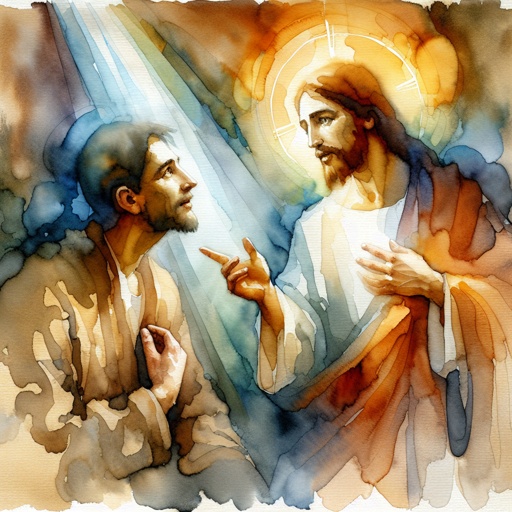
John 20:29 Jesus said to him, “Because you have seen me, you have believed. Blessed are those who have not seen and have believed.”
"Jesus saith unto him, Thomas, because thou hast seen me, thou hast believed: blessed are they that have not seen, and yet have believed." - John 20:29
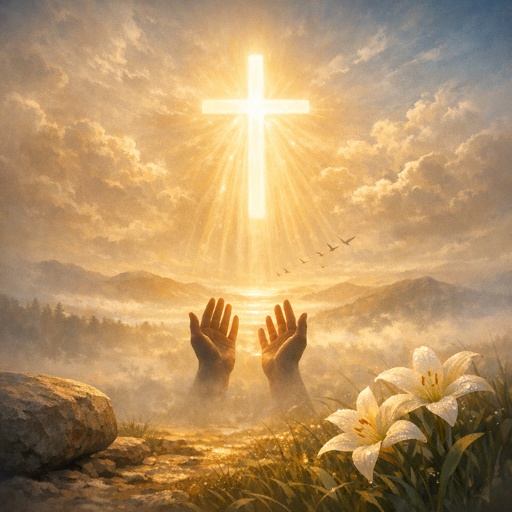
"Jesus saith unto him, Thomas, because thou hast seen me, thou hast believed: blessed are they that have not seen, and yet have believed." - John 20:29

John 14.23-29

John 14:23-29

John 1 29-42

John 1 29-42

John 14:23-29

John 14:23-29

John 1 29-42

John 1 29-42

Psalm 89:20-29

Matthew 20:29-34

John 1:29 - "¶ The next day John seeth Jesus coming unto him, and saith, Behold the Lamb of God, which taketh away the sin of the world."

1 Samuel 20:27-29

John 20:21

John 20:27

John 20:14

John 20:27

Judges 20:29 - "And Israel set liers in wait round about Gibeah."

Matthew 20:29 - "And as they departed from Jericho, a great multitude followed him."

John 1:John 1:29 The Next Day John Saw Jesus Coming Toward Him, And Said, “Behold! The Lamb Of God Who Takes Away The Sin Of The World!

John 1:John 1:29 The Next Day John Saw Jesus Coming Toward Him, And Said, “Behold! The Lamb Of God Who Takes Away The Sin Of The World!

John 1:John 1:29 The Next Day John Saw Jesus Coming Toward Him, And Said, “Behold! The Lamb Of God Who Takes Away The Sin Of The World!

John 11:29 - "As soon as she heard that, she arose quickly, and came unto him."

John 20:11-12

John 20:11-13

John 20:30-31

Proverbs 20:29 - "The glory of young men is their strength: and the beauty of old men is the gray head."