What does John 20:21 mean?
"Then said Jesus to them again, Peace be unto you: as my Father hath sent me, even so send I you." - John 20:21
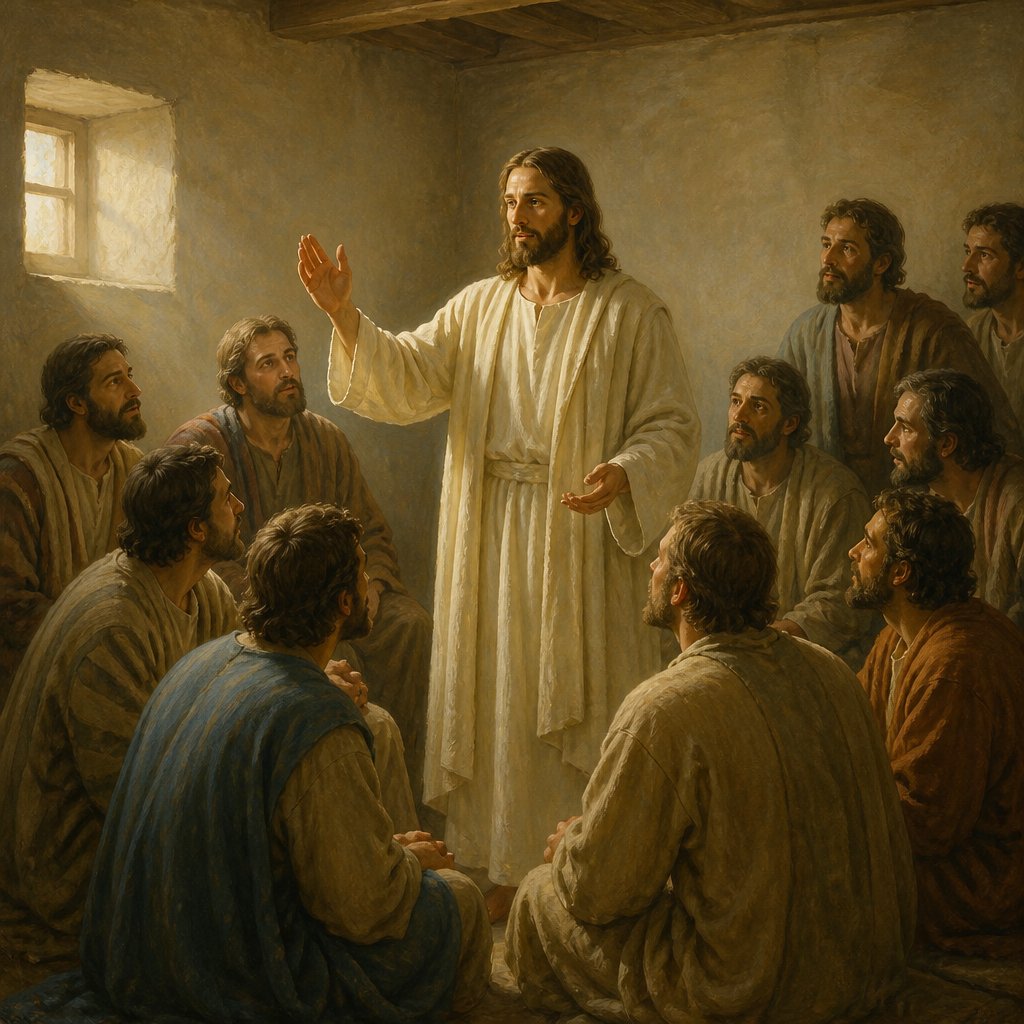
John 20:21 (KJV): "Then said Jesus to them again, Peace be unto you: as my Father hath sent me, even so send I you."
In this verse, Jesus is speaking to his disciples after his resurrection. He is imparting to them a specific purpose and calling. He is commissioning them to continue the work that he began, which is to spread the message of the gospel and to make disciples of all nations.
One of the key themes in this verse is the concept of peace. Jesus begins by saying, "Peace be unto you." This is a significant statement, as it reflects the peace that comes from knowing and following Christ. The disciples were likely filled with fear and uncertainty following Jesus' crucifixion, and his words served to bring them comfort and assurance. The peace that Jesus offers is not simply the absence of conflict or turmoil, but rather a deep and abiding sense of well-being that comes from being in relationship with God.
Another important theme in this verse is that of being sent. Jesus tells his disciples, "As my Father hath sent me, even so send I you." This statement speaks to the disciples' role as messengers of the gospel. They are being sent out into the world to proclaim the good news of Jesus Christ and to continue the work that he began during his time on earth. This commissioning is not just a suggestion, but a direct command from Jesus himself. It emphasizes the urgency and importance of the disciples' mission.
The context of this verse is also significant. It takes place immediately after Jesus' resurrection, when he appears to his disciples in the upper room. This encounter with the risen Christ serves as a pivotal moment for the disciples. It solidifies their belief in Jesus' divinity and marks the beginning of their new role as his ambassadors on earth.
There is also a deep symbolism in Jesus' words. By equating the disciples' mission with his own, he is essentially granting them the authority and power to act on his behalf. This mirrors the concept of divine authority and delegation, as the disciples are being entrusted with the responsibility of carrying on the work of their master.
Furthermore, the language used by Jesus in this verse carries a sense of continuity and legacy. By stating, "even so send I you," Jesus is emphasizing the seamless transition from his own ministry to that of the disciples. This serves as a reminder that the disciples are not acting alone, but are part of a larger, ongoing plan that has been set in motion by Jesus and the Father.
In conclusion, John 20:21 is a pivotal verse that encapsulates the disciples' commissioning by Jesus to continue his work and spread the message of the gospel. It speaks to the themes of peace, divine authority, and continuity, and serves as a reminder of the disciples' important role in carrying on the mission of Christ. This verse continues to hold relevance for Christians today, as it highlights the ongoing responsibility of all believers to share the good news of Jesus Christ and make disciples of all nations.
Have questions about John 20:21?
Dive deeper into this scripture with Bible Chat — an AI-powered tool for exploring God's Word through conversation. Ask questions, get context, and grow in your understanding of the Bible.
Get Our Apps


John 20:21 Artwork

John 20:21

John 20:21 - "Then said Jesus to them again, Peace be unto you: as my Father hath sent me, even so send I you."
"Then said Jesus to them again, Peace be unto you: as my Father hath sent me, even so send I you." - John 20:21

John 21:20 - "Then Peter, turning about, seeth the disciple whom Jesus loved following; which also leaned on his breast at supper, and said, Lord, which is he that betrayeth thee?"

1 John 3:20-21 For if our heart condemn us, God is greater than our heart, and knoweth all things. Beloved, if our heart condemn us not, then have we confidence toward God.

john 21:9

John 21:6

John 21:21 - "Peter seeing him saith to Jesus, Lord, and what shall this man do?"

Luke 13:20-21

Luke 13:20-21
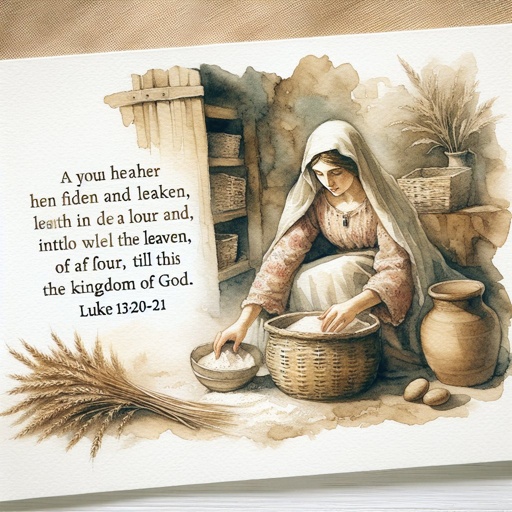
Luke 13:20-21

Luke 13:20-21

Luke 13:20-21

John 20:27

John 20:14

John 20:27

John 21:6

John 21:17

John 21:25

John 21:6

John 21:6

1 John 3:20-21 For if our heart condemn us, God is greater than our heart, and knoweth all things. Beloved, if our heart condemn us not, then have we confidence toward God. (Picture only no words)

1 John 3:20-21 For if our heart condemn us, God is greater than our heart, and knoweth all things. Beloved, if our heart condemn us not, then have we confidence toward God. (Picture only no words)

John 14:15-21

Genesis 21-20

John 20:11-12

John 20:11-13

John 20:30-31

Job 3:20-21 - "Job 3:20-21: Why is light given to those in misery, and life to the bitter of soul, to those who long for death that does not come, who search for it more than for hidden treasure?"

John 21:15-19