What does John 20:19-23 mean?
"On the evening of that day, the first day of the week, the doors being shut where the disciples were, for fear of the Jews, Jesus came and stood in their midst, and said to them, "Peace be with you." When he had said this, he showed them his hands and his side. Then the disciples were glad when they saw the Lord. Jesus said to them again, "Peace be with you. As the Father has sent me, even so I send you." And when he had said this, he breathed on them, and said to them, "Receive the Holy Spirit. If you forgive the sins of any, they are forgiven; if you retain the sins of any, they are retained."" - John 20:19-23
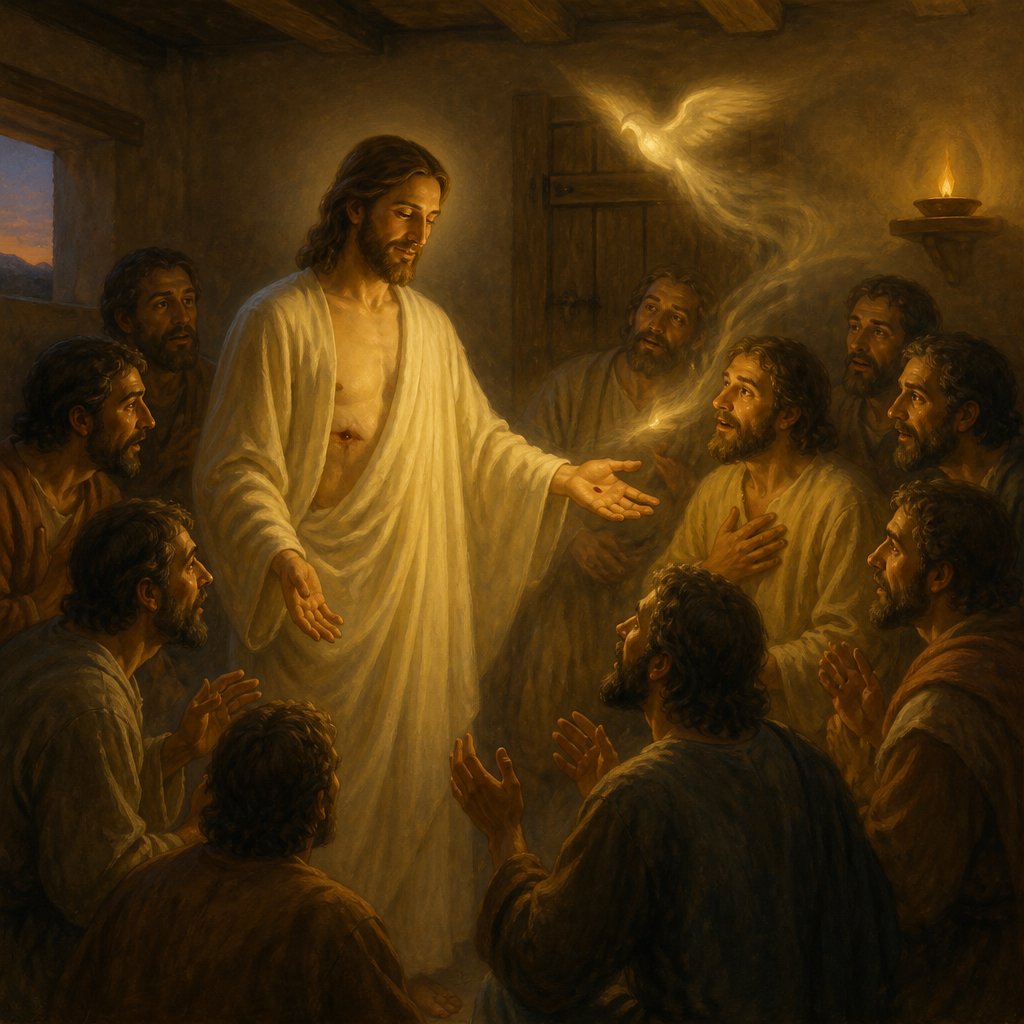
John 20:19-23 from the King James Version (KJV) of the Bible reads:
"Then the same day at evening, being the first day of the week, when the doors were shut where the disciples were assembled for fear of the Jews, came Jesus and stood in the midst, and saith unto them, Peace be unto you. And when he had so said, he shewed unto them his hands and his side. Then were the disciples glad, when they saw the Lord. Then said Jesus to them again, Peace be unto you: as my Father hath sent me, even so send I you. And when he had said this, he breathed on them, and saith unto them, Receive ye the Holy Ghost: Whose soever sins ye remit, they are remitted unto them; and whose soever sins ye retain, they are retained."
This passage comes from the Gospel of John, and it captures the scene of the resurrected Jesus appearing to his disciples in a locked room. The disciples were gathered together in fear, perhaps still reeling from the events of the crucifixion, and suddenly Jesus appears in their midst, speaking words of peace and imparting the Holy Spirit to them. This passage holds rich theological and spiritual significance, and it is worth exploring the themes, context, and symbolism present in these few verses.
The theme of peace is central to this passage. Jesus appears to his disciples and greets them with the words "Peace be unto you" not just once, but twice. This extends far beyond a simple greeting; it is a proclamation of the peace that Jesus brings through his resurrection. The disciples, having witnessed the horrors of Jesus' crucifixion, would have been in a state of anxiety and fear. Jesus’ words of peace bring not only comfort but also a sense of calm in the midst of their turmoil. This peace is not merely the absence of conflict but is rooted in the reconciliation between God and humanity through Jesus' sacrifice and triumph over death. It is a peace that surpasses all understanding and offers deep spiritual reassurance.
The context of this passage is significant as well. The disciples were gathered together in fear, with the doors locked, out of concern for their safety from the Jewish authorities. By appearing in their midst, Jesus shows his power over physical barriers and demonstrates his authority over fear and death. His physical presence among them brings about a transformative change in the disciples, turning their fear into joy, dispelling doubt, and solidifying their faith in his resurrection. This encounter with the risen Christ marks a turning point for the disciples, propelling them from fear and confusion to boldness and confidence in their mission to spread the Gospel.
Symbolism permeates this passage, particularly in the actions of Jesus. He shows his disciples his hands and his side, bearing the wounds from his crucifixion. These wounds serve as a poignant reminder of Jesus' sacrificial love and the redemptive power of his death and resurrection. They also serve as a visual confirmation of his identity, as the disciples recognize him as the crucified and now resurrected Lord. Jesus' act of breathing on the disciples and imparting the Holy Spirit to them echoes the Genesis account of God breathing life into Adam, signifying a new creation and a new beginning for the disciples as they are empowered by the Spirit for their mission.
Furthermore, Jesus bestows upon the disciples the authority to forgive sins or retain them. This symbolic act underscores the spiritual authority granted to the disciples as they continue the work of Jesus on earth. It speaks to the power of forgiveness and the mission of the Church to proclaim the message of reconciliation and redemption through Christ.
In conclusion, John 20:19-23 is a powerful and multi-layered passage that captures the essence of Jesus' resurrection and its profound impact on his disciples. The themes of peace, transformation, and empowerment run deep, and the rich symbolism embedded in this passage underscores the spiritual truths it conveys. As believers reflect on this passage, they are reminded of the enduring peace that Jesus brings, the transformative power of his resurrection, and the commission to carry forth his message of forgiveness and redemption. This encounter with the risen Christ serves as a template for believers to experience the transformative power of encountering the living Jesus, moving from fear and doubt to joy and boldness in their faith.
Have questions about John 20:19-23?
Dive deeper into this scripture with Bible Chat — an AI-powered tool for exploring God's Word through conversation. Ask questions, get context, and grow in your understanding of the Bible.
Get Our Apps


John 20:19-23 Artwork

John 20:19-23 - "On the evening of that first day of the week, when the disciples were together, with the doors locked for fear of the Jewish leaders, Jesus came and stood among them and said, “Peace be with you!” After he said this, he showed them his hands and side. The disciples were overjoyed when they saw the Lord. Again Jesus said, “Peace be with you! As the Father has sent me, I am sending you.” And with that he breathed on them and said, “Receive the Holy Spirit. If you forgive anyone’s sins, their sins are forgiven; if you do not forgive them, they are not forgiven.”"
"On the evening of that first day of the week, when the disciples were together, with the doors locked for fear of the Jewish leaders, Jesus came and stood among them and said, “Peace be with you!” After he said this, he showed them his hands and side. The disciples were overjoyed when they saw the Lord. Again Jesus said, “Peace be with you! As the Father has sent me, I am sending you.” And with that he breathed on them and said, “Receive the Holy Spirit. If you forgive anyone’s sins, their sins are forgiven; if you do not forgive them, they are not forgiven.”" - John 20:19-23

John 20:23 - "Whose soever sins ye remit, they are remitted unto them; and whose soever sins ye retain, they are retained."

John 19:20 - "This title then read many of the Jews: for the place where Jesus was crucified was nigh to the city: and it was written in Hebrew, and Greek, and Latin."

John 20:19 - "¶ Then the same day at evening, being the first day of the week, when the doors were shut where the disciples were assembled for fear of the Jews, came Jesus and stood in the midst, and saith unto them, Peace be unto you."

1 John 3:19-20 - "By this we know that we are of the truth, and shall assure our hearts before Him. For if our heart condemns us, God is greater than our heart, and knows all things."

John 19:23 - "¶ Then the soldiers, when they had crucified Jesus, took his garments, and made four parts, to every soldier a part; and also his coat: now the coat was without seam, woven from the top throughout."

John 20:19-20 - "On the evening of that first day of the week, when the disciples were together, with the doors locked for fear of the Jewish leaders, Jesus came and stood among them and said, “Peace be with you!” After he said this, he showed them his hands and side. The disciples were overjoyed when they saw the Lord."

John 3:19-20 - "And this is the condemnation, that light is come into the world, and men loved darkness rather than light, because their deeds were evil. For every one that doeth evil hateth the light, neither cometh to the light, lest his deeds should be reproved."
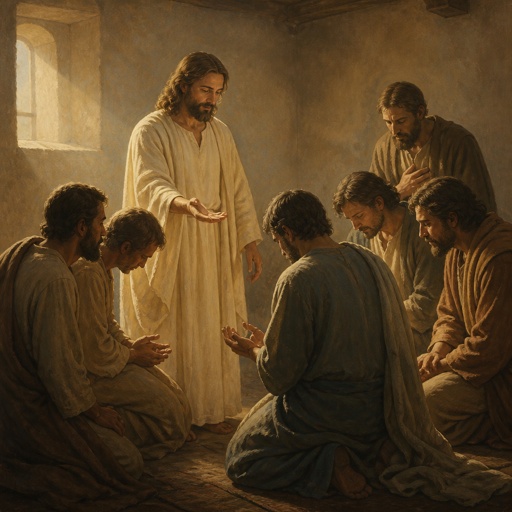
"Whose soever sins ye remit, they are remitted unto them; and whose soever sins ye retain, they are retained." - John 20:23
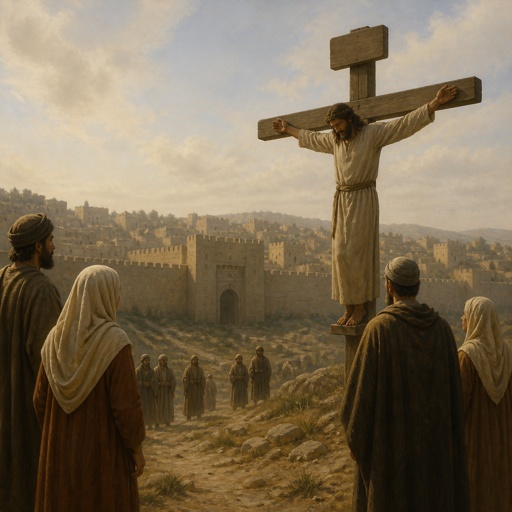
"This title then read many of the Jews: for the place where Jesus was crucified was nigh to the city: and it was written in Hebrew, and Greek, and Latin." - John 19:20

John 19:38

John 19:1

John 20:21

Genesis 23-19

Luke 19:23

Luke 19:23

John 3:23 - "¶ And John also was baptizing in Aenon near to Salim, because there was much water there: and they came, and were baptized."

Exodus 23:20

John 14:23-29

John 20:27

John 20:14

John 20:27

Genesis 23-20

Leviticus 23:20

John 19:19 - "¶ And Pilate wrote a title, and put it on the cross. And the writing was, JESUS OF NAZARETH THE KING OF THE JEWS."

John 17.6-19

Genesis 19-23

John 14:23-29

John 14:23-29