What does John 20:17 mean?
"Jesus saith unto her, Touch me not; for I am not yet ascended to my Father: but go to my brethren, and say unto them, I ascend unto my Father, and your Father; and to my God, and your God." - John 20:17

John 20:17 (KJV): "Jesus saith unto her, Touch me not; for I am not yet ascended to my Father: but go to my brethren, and say unto them, I ascend unto my Father, and your Father; and to my God, and your God."
In this verse, we see Jesus speaking to Mary Magdalene after his resurrection. This interaction takes place outside the tomb where Jesus had been buried, and it is a pivotal moment in the narrative of the resurrection. Through his words, Jesus reveals important truths about his identity, his purpose, and his relationship with his followers.
The first part of the verse, "Touch me not," is significant as it highlights the nature of Jesus' resurrected body. It indicates that Jesus is not simply a spirit or a ghost, but that he has a physical body that can be touched and felt. This serves to establish the reality of the resurrection and the tangible nature of Jesus' presence.
Jesus then explains to Mary Magdalene that he has not yet ascended to the Father. This statement carries a layered significance. On one level, it emphasizes Jesus' divine nature and the unique manner of his resurrection and ascension. It also echoes his earlier words to his disciples about going to prepare a place for them in his Father's house (John 14:2-3), indicating that his death and resurrection are part of a larger plan for the salvation of humanity.
The next part of the verse, "but go to my brethren," shows Jesus affirming the close bond he shares with his followers. Despite his glorified state after the resurrection, he still refers to them as "my brethren," emphasizing the familial relationship that exists between Jesus and his disciples.
Jesus instructs Mary Magdalene to tell his disciples that he is ascending to "my Father, and your Father; and to my God, and your God." This declaration is one of inclusion and intimacy, as Jesus equates the disciples' relationship with God to his own. By using the term "my Father" and "your Father," Jesus establishes a sense of shared sonship and inheritance among his disciples. Similarly, by saying "my God" and "your God," Jesus demonstrates the unity of worship and devotion that his disciples now share with him.
This verse captures the essence of Jesus' redemptive mission and the transformation it brings to those who believe in him. It reveals the profound implications of the resurrection for humanity, as it not only secures our reconciliation with God but also grants us a new status as children of the Father and coheirs with Christ.
Beyond its immediate context, John 20:17 also speaks to the broader themes of unity, identity, and relationship in the Christian faith. It underscores the universal scope of God's redemptive plan and the inclusive nature of the Christian community. It also emphasizes the transformative power of the resurrection, which not only validates the divinity of Jesus but also redefines the nature of our connection with God and with one another.
The symbolism in this verse is rich and multi-layered. The references to the Father and God highlight the Trinitarian nature of God and the interconnectedness of the divine relationship with humanity. The image of Jesus ascending to the Father also points to his exaltation and authority, as well as the promise of our own future glorification in him.
In conclusion, John 20:17 encapsulates the foundational truths of the Christian faith, portraying the profound implications of Jesus' resurrection for our identity, relationship with God, and unity within the body of believers. It invites us to reflect on the significance of our connection with Jesus and the transformative power of the resurrection in our lives. As we meditate on this verse, may we be reminded of the eternal inheritance and familial bond that we share as children of God through Christ.
Have questions about John 20:17?
Dive deeper into this scripture with Bible Chat — an AI-powered tool for exploring God's Word through conversation. Ask questions, get context, and grow in your understanding of the Bible.
Get Our Apps


John 20:17 Artwork

John 20:17 - "Jesus saith unto her, Touch me not; for I am not yet ascended to my Father: but go to my brethren, and say unto them, I ascend unto my Father, and your Father; and to my God, and your God."

"Jesus saith unto her, Touch me not; for I am not yet ascended to my Father: but go to my brethren, and say unto them, I ascend unto my Father, and your Father; and to my God, and your God." - John 20:17

John 17:20 - "Neither pray I for these alone, but for them also which shall believe on me through their word;"
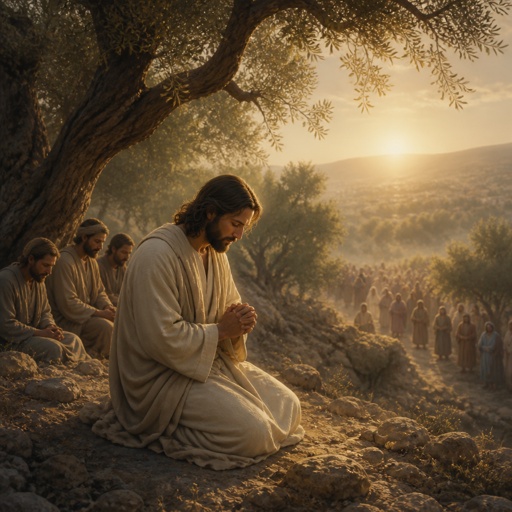
"Neither pray I for these alone, but for them also which shall believe on me through their word;" - John 17:20

John 7:17-18

John 7:17-18

John 7:17-18

John 7:17-18

John 20:21

John 17:17 - "Sanctify them through thy truth: thy word is truth."

John 20:14

John 20:27

John 20:27

John 1:17

John 21:17

John 1:17

John 1:17

Genesis 20-17

Matthew 17:20

John 20:11-12

John 20:11-13

John 20:30-31

Matthew 17:20

Genesis 17-20

John 14:16-17

Luke 20:4 - "The baptism of John, was it from heaven, or of men?"

John 17:16 - "They are not of the world, even as I am not of the world."

John 6:20 - "But he saith unto them, It is I; be not afraid."

John 1:20 - "And he confessed, and denied not; but confessed, I am not the Christ."

John 20:10 - "Then the disciples went away again unto their own home."