What does John 1:50 mean?
"Jesus answered and said unto him, Because I said unto thee, I saw thee under the fig tree, believest thou? thou shalt see greater things than these." - John 1:50
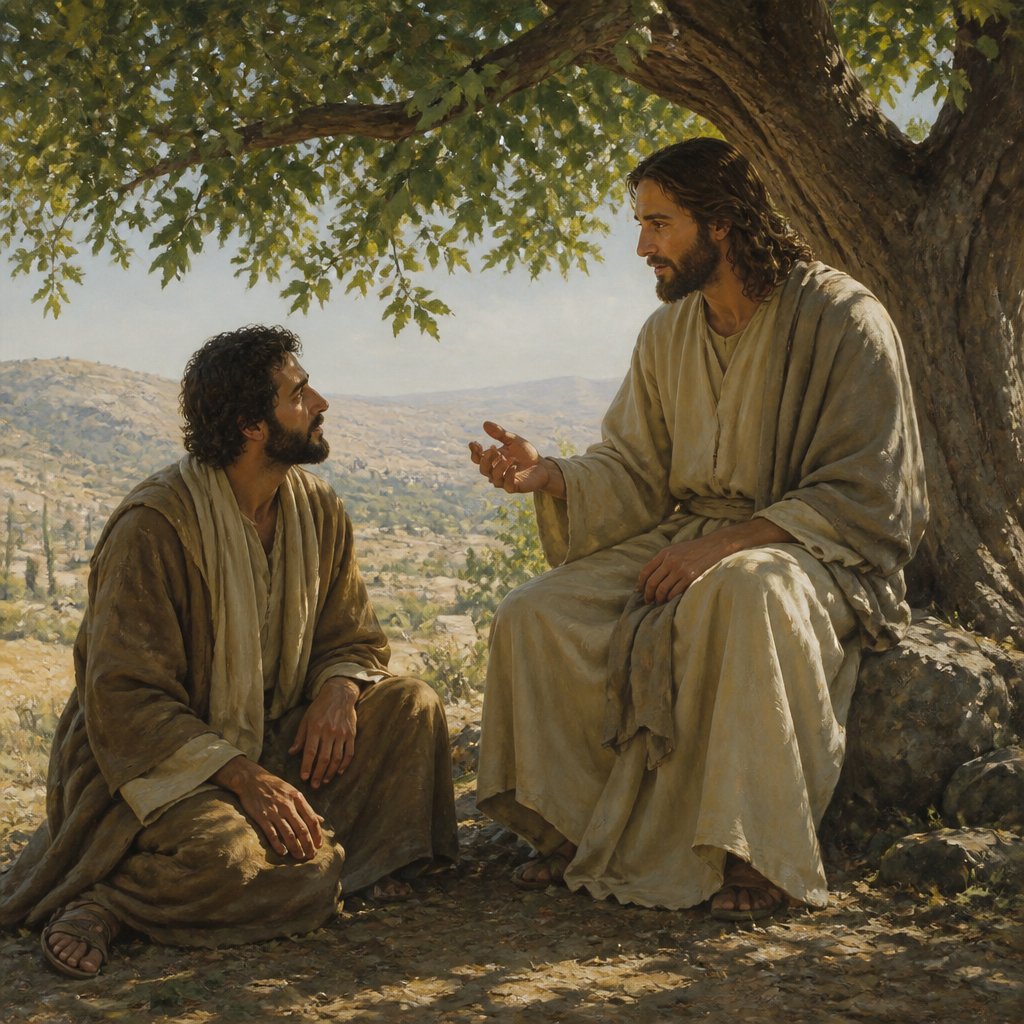
John 1:50 (KJV) – Jesus answered and said unto him, Because I said unto thee, I saw thee under the fig tree, believest thou? thou shalt see greater things than these.
In this verse, Jesus is speaking to Nathanael after Nathanael expresses his belief in Jesus as the Son of God. Jesus is addressing Nathanael's reaction to His statement about seeing him under the fig tree. Jesus is essentially challenging Nathanael's faith and telling him that what he has witnessed so far is only the beginning of the miraculous signs and wonders he will see.
One of the key themes in this verse is the idea of faith. Jesus is testing Nathanael's faith by asking him if what he has seen so far is enough for him to believe. This theme of faith runs throughout the entire Bible, as believers are called to have faith in God and in Jesus as the Messiah. Jesus' question to Nathanael also challenges us to examine our own faith and asks if what we have witnessed in our lives so far is enough for us to believe.
Another important theme in this verse is the idea of witnessing greater things. Jesus promises Nathanael that he will see greater things than what he has already witnessed. This theme speaks to the idea of spiritual growth and transformation. As believers continue to follow Jesus, they will witness greater miracles, experience deeper revelations, and grow in their faith and understanding of God and His plan for humanity. This verse encourages believers to continue seeking after Jesus and to expect greater things from Him.
The context of John 1:50 is important for understanding its significance. In the previous verses, Jesus has called Nathanael to be one of His disciples. When Nathanael expresses his belief in Jesus as the Son of God, Jesus responds by acknowledging Nathanael's faith and then challenging it by promising even greater things to come. This interaction demonstrates the personal nature of Jesus' relationship with His disciples and His desire to lead them into deeper faith and understanding.
Furthermore, the mention of the fig tree in this verse holds symbolic significance. In the Bible, the fig tree is often used as a symbol of peace, prosperity, and spiritual awakening. Seeing Nathanael under the fig tree and then referring to it in this conversation with him could symbolize Jesus' recognition of Nathanael's spiritual awakening and his readiness to follow Jesus. This further emphasizes the personal and intimate nature of Jesus' interaction with His disciples and how He meets them where they are to lead them into deeper faith.
In addition, the use of the phrase "greater things" in this verse speaks to Jesus' divine authority and power. He is promising Nathanael that he will witness even greater miracles and works of God, indicating that Jesus himself is the source of these greater things. This reiterates the theme of faith and calls believers to trust in the power and authority of Jesus to do even greater things in their lives.
In conclusion, John 1:50 is a significant verse that speaks to themes of faith, spiritual growth, and Jesus' divine authority. It challenges believers to examine their faith and expect greater things from Jesus as they continue to follow Him. The context of this verse within the larger narrative of Jesus calling His disciples and its symbolic use of the fig tree further enrich its meaning and significance. Ultimately, this verse reminds us of the personal and transformative nature of our relationship with Jesus and calls us to trust in His power to do even greater things in our lives.
Have questions about John 1:50?
Dive deeper into this scripture with Bible Chat — an AI-powered tool for exploring God's Word through conversation. Ask questions, get context, and grow in your understanding of the Bible.
Get Our Apps


John 1:50 Artwork
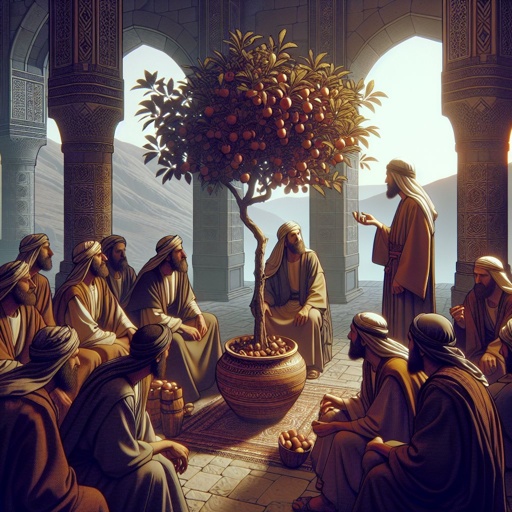
John 1:50 - "Jesus answered and said unto him, Because I said unto thee, I saw thee under the fig tree, believest thou? thou shalt see greater things than these."
"Jesus answered and said unto him, Because I said unto thee, I saw thee under the fig tree, believest thou? thou shalt see greater things than these." - John 1:50

John 8:50 - "And I seek not mine own glory: there is one that seeketh and judgeth."

John 7:50 - "Nicodemus saith unto them, (he that came to Jesus by night, being one of them,)"

John 6:50 - "This is the bread which cometh down from heaven, that a man may eat thereof, and not die."

John 11:50 - "Nor consider that it is expedient for us, that one man should die for the people, and that the whole nation perish not."

Luke 7:50

Luke 7:50

John 12:50 - "And I know that his commandment is life everlasting: whatsoever I speak therefore, even as the Father said unto me, so I speak."
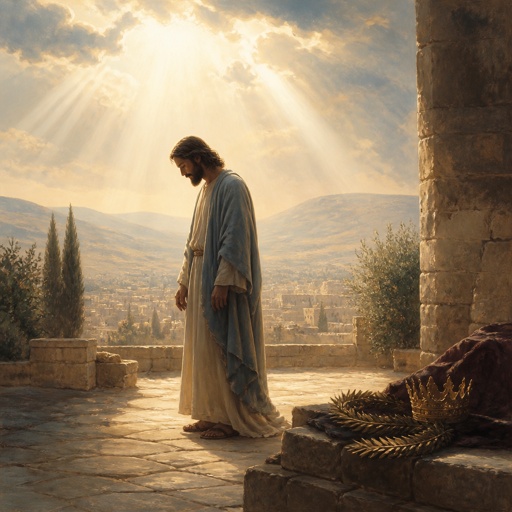
"And I seek not mine own glory: there is one that seeketh and judgeth." - John 8:50

Numbers 1:50 -53

Numbers 1:50 -53

Numbers 1:50 -53

John 6:50 - "This is the bread which cometh down from heaven, that a man may eat thereof, and not die."

1 Kings 1:50 - "¶ And Adonijah feared because of Solomon, and arose, and went, and caught hold on the horns of the altar."

John 6:50 - "This is the bread which cometh down from heaven, that a man may eat thereof, and not die."

John 4:50 - "Jesus saith unto him, Go thy way; thy son liveth. And the man believed the word that Jesus had spoken unto him, and he went his way."
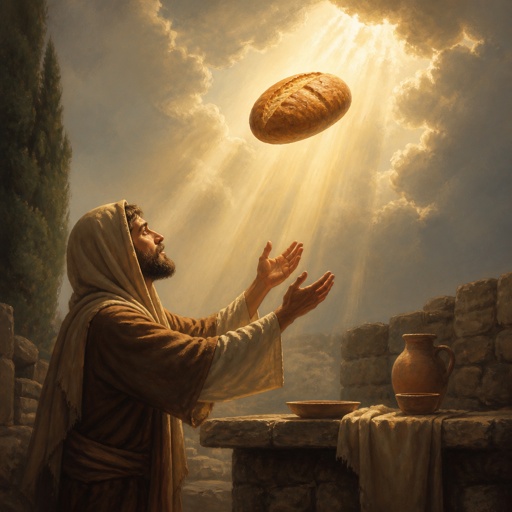
"This is the bread which cometh down from heaven, that a man may eat thereof, and not die." - John 6:50
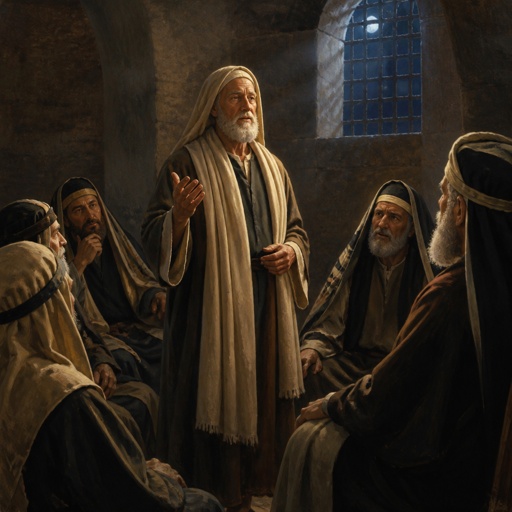
"Nicodemus saith unto them, (he that came to Jesus by night, being one of them,)" - John 7:50

Jeremiah 50:1 - "The word that the LORD spake against Babylon and against the land of the Chaldeans by Jeremiah the prophet."
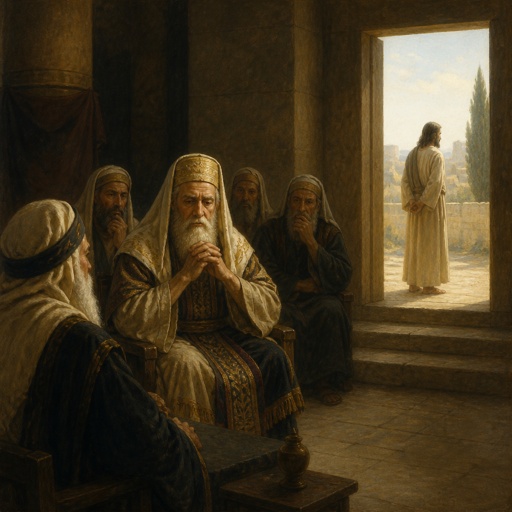
"Nor consider that it is expedient for us, that one man should die for the people, and that the whole nation perish not." - John 11:50

Luke 1:50 - "And his mercy is on them that fear him from generation to generation."

Genesis 50:1 - "And Joseph fell upon his father's face, and wept upon him, and kissed him."
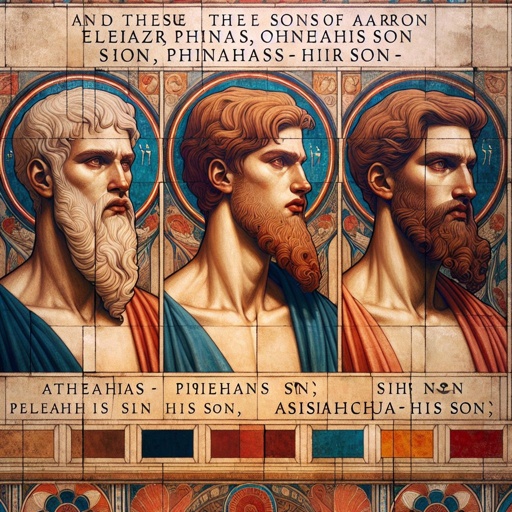
1 Chronicles 6:50 - "And these are the sons of Aaron; Eleazar his son, Phinehas his son, Abishua his son,"
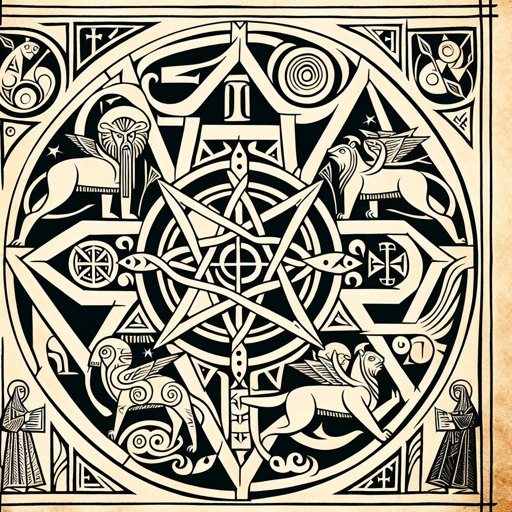
1 Chronicles 2:50 - "¶ These were the sons of Caleb the son of Hur, the firstborn of Ephratah; Shobal the father of Kirjath-jearim,"
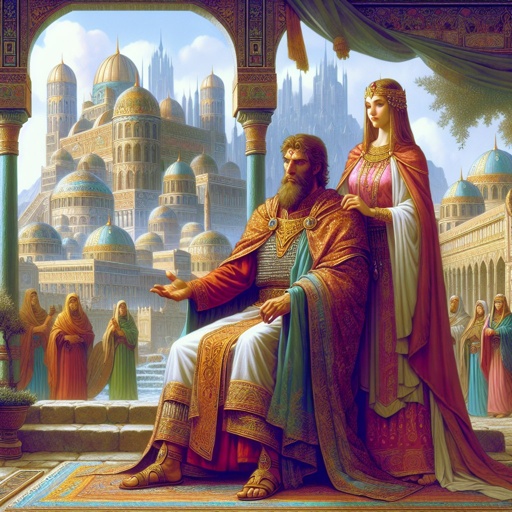
1 Chronicles 1:50 - "And when Baal-hanan was dead, Hadad reigned in his stead: and the name of his city was Pai; and his wife's name was Mehetabel, the daughter of Matred, the daughter of Mezahab."

Psalms 50:1 - "The mighty God, even the LORD, hath spoken, and called the earth from the rising of the sun unto the going down thereof."

1 Samuel 14:50 - "And the name of Saul's wife was Ahinoam, the daughter of Ahimaaz: and the name of the captain of his host was Abner, the son of Ner, Saul's uncle."

1 Samuel 17:50 - "So David prevailed over the Philistine with a sling and with a stone, and smote the Philistine, and slew him; but there was no sword in the hand of David."
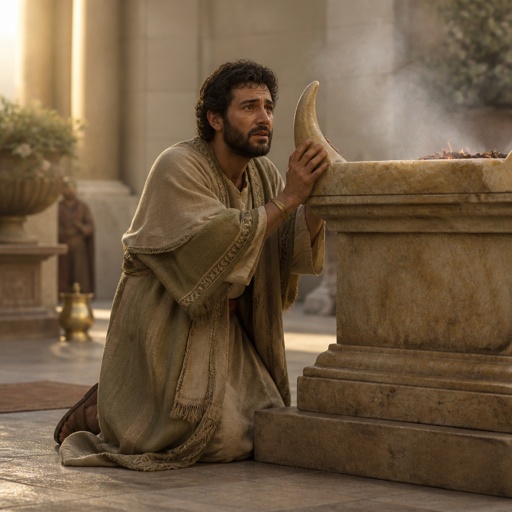
"¶ And Adonijah feared because of Solomon, and arose, and went, and caught hold on the horns of the altar." - 1 Kings 1:50