What does John 1:30 mean?
"This is he of whom I said, After me cometh a man which is preferred before me: for he was before me." - John 1:30
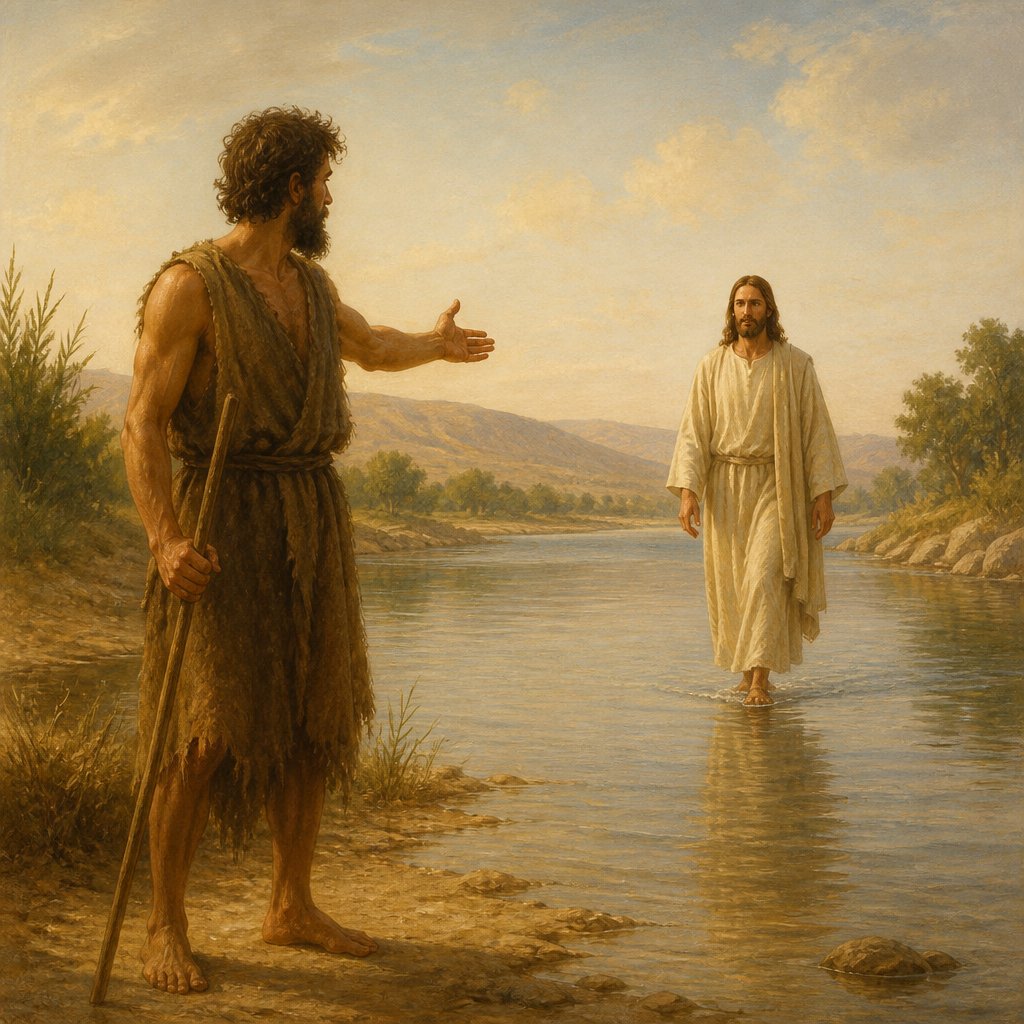
John 1:30 from the King James Version of the Bible reads: "This is he of whom I said, After me cometh a man which is preferred before me: for he was before me."
This verse comes from the first chapter of the Gospel of John, which is the fourth book of the New Testament. In this chapter, John the Baptist is testifying about the arrival of Jesus Christ and his superiority over John himself. This particular verse is part of John's declaration that Jesus is the one whom he had previously spoken about, and that Jesus is greater than him because he existed before him.
The context of this verse is important for understanding its meaning. John the Baptist was a prophet who was sent to prepare the way for the coming of Jesus. He baptized people in the Jordan River as a symbol of repentance and readiness for the Messiah. When Jesus came to be baptized by John, John recognized him as the one whom he had been proclaiming. In the verses leading up to John 1:30, John the Baptist says, "I saw the Spirit descending from heaven like a dove, and it abode upon him. And I knew him not: but he that sent me to baptize with water, the same said unto me, Upon whom thou shalt see the Spirit descending, and remaining on him, the same is he which baptizeth with the Holy Ghost. And I saw, and bare record that this is the Son of God" (John 1:32-34, KJV). This confirms John's recognition of Jesus as the Son of God and the promised Messiah.
The theme of John 1:30 is the exaltation of Jesus Christ and his preeminence over all. John the Baptist acknowledges that Jesus is preferred before him, meaning that Jesus holds a higher rank or status than John. John also emphasizes that Jesus was before him, indicating that Jesus has a divine and eternal existence that transcends time and space. This acknowledgment of Jesus' preeminence and eternality is central to the Christian belief in the deity of Christ. It sets the stage for understanding Jesus as the Word made flesh, as described in the opening verses of the Gospel of John.
Symbolism is also present in this verse. John the Baptist serves as a symbol of the Old Testament prophets who spoke of the coming of the Messiah. His role as a herald and a forerunner points to the fulfillment of prophecy in the person of Jesus Christ. The act of baptism symbolizes purification and the beginning of a new life in Christ. Additionally, the descent of the Holy Spirit upon Jesus in the form of a dove symbolizes the anointing and empowerment of Jesus for his ministry.
Overall, John 1:30 is a powerful declaration of Jesus' preeminence and eternal existence. It serves as a reminder of the unique and divine nature of Christ, and it sets the stage for the unfolding of the gospel message in the Gospel of John. As Christians, we are called to acknowledge Jesus' superiority and to follow him as the one who came to save and redeem humanity. So, this verse is a cornerstone of the Christian faith, emphasizing the timeless truth of Jesus' supremacy and everlasting nature.
Have questions about John 1:30?
Dive deeper into this scripture with Bible Chat — an AI-powered tool for exploring God's Word through conversation. Ask questions, get context, and grow in your understanding of the Bible.
Get Our Apps


John 1:30 Artwork

John 1:30 - "This is he of whom I said, After me cometh a man which is preferred before me: for he was before me."
"This is he of whom I said, After me cometh a man which is preferred before me: for he was before me." - John 1:30

John 10:30

John 14:30

John 10:30

John 3:30

John 20:30-31

John 10:30 - "I and my Father are one."

John 4:30 - "Then they went out of the city, and came unto him."

John 3:30 - "He must increase, but I must decrease."

John 8:30 - "As he spake these words, many believed on him."

Mark 11:30 - "The baptism of John, was it from heaven, or of men? answer me."

John 13:30 - "He then having received the sop went immediately out: and it was night."

"I and my Father are one." - John 10:30

John 12:30 - "Jesus answered and said, This voice came not because of me, but for your sakes."

John 11:30 - "Now Jesus was not yet come into the town, but was in that place where Martha met him."

"I and my Father are one." - John 10:30

John 14:30 - "Hereafter I will not talk much with you: for the prince of this world cometh, and hath nothing in me."

John 20:30 - "¶ And many other signs truly did Jesus in the presence of his disciples, which are not written in this book:"

John 7:30 - "Then they sought to take him: but no man laid hands on him, because his hour was not yet come."

"Then they went out of the city, and came unto him." - John 4:30

"He must increase, but I must decrease." - John 3:30

"As he spake these words, many believed on him." - John 8:30

John 18:30 - "They answered and said unto him, If he were not a malefactor, we would not have delivered him up unto thee."
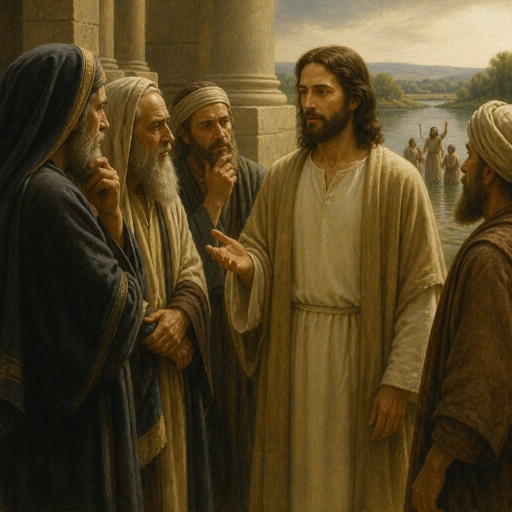
"The baptism of John, was it from heaven, or of men? answer me." - Mark 11:30
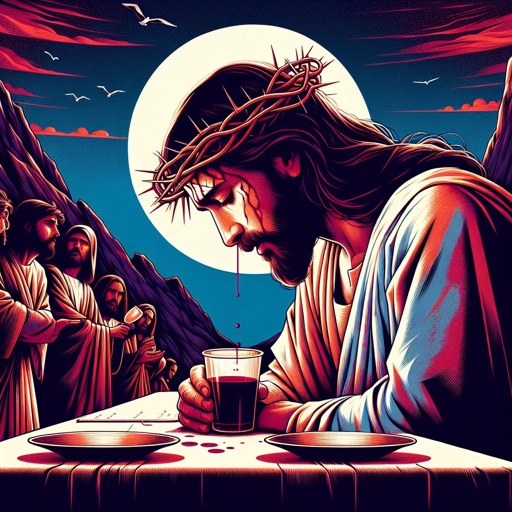
John 19:30 - "When Jesus therefore had received the vinegar, he said, It is finished: and he bowed his head, and gave up the ghost."
John 6:30 - "They said therefore unto him, What sign shewest thou then, that we may see, and believe thee? what dost thou work?"

"He then having received the sop went immediately out: and it was night." - John 13:30

John 9:30 - "The man answered and said unto them, Why herein is a marvellous thing, that ye know not from whence he is, and yet he hath opened mine eyes."

John 16:30 - "Now are we sure that thou knowest all things, and needest not that any man should ask thee: by this we believe that thou camest forth from God."