What does John 1:2 mean?
"The same was in the beginning with God." - John 1:2

John 1:2 from the King James Version (KJV) states, "The same was in the beginning with God." This verse is found in the opening chapter of the Gospel of John, which is often referred to as the "Prologue" to the book. The Prologue of John is distinct from the other Gospels in that it presents a theological and philosophical understanding of Jesus Christ as the Word of God, rather than a straightforward narrative of his life and teachings. Therefore, this verse holds profound significance in shaping the understanding of Jesus Christ's divine nature and his relationship with God.
The verse begins with the declaration that "The same" - referring to the Word, which is later identified as Jesus Christ - "was in the beginning." This phrase directly connects the Word with the creation narrative in the book of Genesis, where it is stated, "In the beginning, God created the heavens and the earth" (Genesis 1:1). By using this opening phrase, the Gospel of John establishes the pre-existence of the Word with God before the beginning of time and space. This assertion is crucial in affirming the eternal nature of Jesus Christ and his divine identity, which will be further expounded upon in the following verses.
The verse then emphasizes that the Word was "with God" in the beginning. This phrase highlights the intimate and timeless relationship between the Word and God. It implies a sense of co-existence and closeness, indicating that the Word was not merely a creation of God, but rather existed in a relational unity with Him from the very beginning. This concept aligns with the Trinitarian understanding of God in Christian theology, which asserts that God exists as a unity of three persons - the Father, the Son, and the Holy Spirit. Therefore, this verse forms the foundation for understanding the Trinitarian nature of God, with the Word being distinct from yet inseparable from God the Father.
Contextually, the Prologue of John serves as a theological introduction to the identity and mission of Jesus Christ. It presents Jesus as the eternal Word of God who took on human flesh and dwelt among humanity (John 1:14). The Prologue also outlines the purpose of the Word, which is to bring light and life to the world, and to reveal the grace and truth of God to humanity (John 1:4, 9, 17). In this light, John 1:2 establishes the eternal existence and divine nature of Jesus Christ, laying the groundwork for the profound theological claims that will be elaborated upon throughout the Gospel.
Symbolically, the "beginning" mentioned in this verse can be understood as not only referring to the creation of the world but also to the beginning of salvation history. It signifies the timeless presence of Jesus Christ in the divine plan of redemption, even before his incarnation as a human being. The phrase "with God" symbolizes the unity and communion within the Godhead, and the eternal relationship between the Father and the Son. This relational aspect is central to understanding the love and intimacy within the Trinitarian God, which is reflected in the mission of Jesus Christ to reconcile humanity to God.
Furthermore, the verse highlights the concept of divine unity and co-existence, emphasizing the inseparable connection between the Word and God. This unity is a foundational aspect of Christian belief, underscoring the oneness of God in three persons and the unity of purpose within the Trinity. Overall, John 1:2 contributes significantly to shaping the theological understanding of Jesus Christ as the eternal Word of God and the embodiment of divine truth and grace.
In conclusion, John 1:2 from the King James Version is a pivotal verse that lays the groundwork for understanding the pre-existence and divine nature of Jesus Christ. It establishes the eternal existence of the Word with God from the beginning and emphasizes the intimate and timeless relationship within the Trinitarian God. This verse serves as a theological and philosophical foundation for the Gospel of John's proclamation of Jesus Christ as the Word made flesh, and it holds profound significance in shaping Christian beliefs about the nature of God and the identity of Jesus Christ.
Have questions about John 1:2?
Dive deeper into this scripture with Bible Chat — an AI-powered tool for exploring God's Word through conversation. Ask questions, get context, and grow in your understanding of the Bible.
Get Our Apps


John 1:2 Artwork

John 1:2 - "The same was in the beginning with God."

2 John 1:2 - "For the truth's sake, which dwelleth in us, and shall be with us for ever."

"The same was in the beginning with God." - John 1:2

3 John 1:2 - "Beloved, I wish above all things that thou mayest prosper and be in health, even as thy soul prospereth."
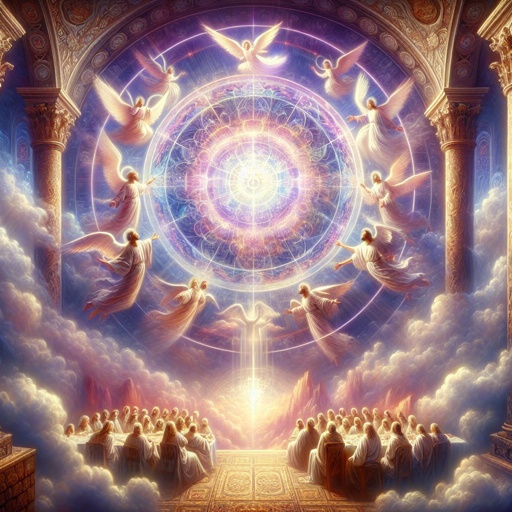
1 John 1:2 - "(For the life was manifested, and we have seen it, and bear witness, and shew unto you that eternal life, which was with the Father, and was manifested unto us;)"

"For the truth's sake, which dwelleth in us, and shall be with us for ever." - 2 John 1:2

"Beloved, I wish above all things that thou mayest prosper and be in health, even as thy soul prospereth." - 3 John 1:2
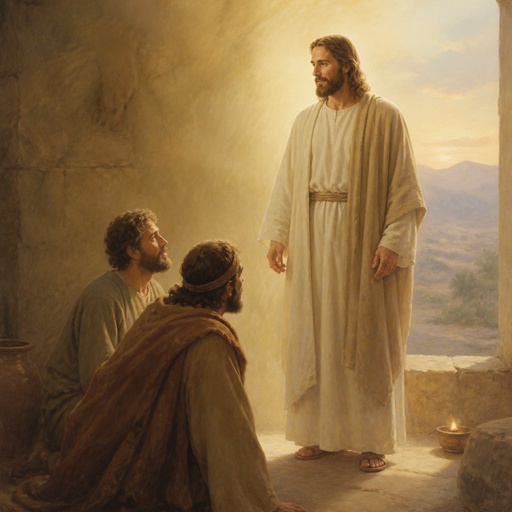
"(For the life was manifested, and we have seen it, and bear witness, and shew unto you that eternal life, which was with the Father, and was manifested unto us;)" - 1 John 1:2

John 1:1-2

John 1:1-2

John 1:1-2

John 1:1-2

John 1:1-2

1 John 2:27

1 John 2:27

1 John 2:27

1 John 2:27

1 John 2:14

1 John 2:14

John 14:1-2

1 John 2:2 - "And he is the propitiation for our sins: and not for our's only, but also for the sins of the whole world."

2 John 1:6 – "And this is love: that we walk in obedience to his commands."

2 John 1:6 – "And this is love: that we walk in obedience to his commands."

John 2:1 - "And the third day there was a marriage in Cana of Galilee; and the mother of Jesus was there:"

2 John 1:13 - "The children of thy elect sister greet thee. Amen."

1 John 2:25 - "And this is the promise that he hath promised us, even eternal life."

2 John 1:11 - "For he that biddeth him God speed is partaker of his evil deeds."

1 John 2:16 - "For all that is in the world, the lust of the flesh, and the lust of the eyes, and the pride of life, is not of the Father, but is of the world."

1 John 2:10 - "He that loveth his brother abideth in the light, and there is none occasion of stumbling in him."

1 John 2:26 - "These things have I written unto you concerning them that seduce you."