What does John 1:13 mean?
"Which were born, not of blood, nor of the will of the flesh, nor of the will of man, but of God." - John 1:13
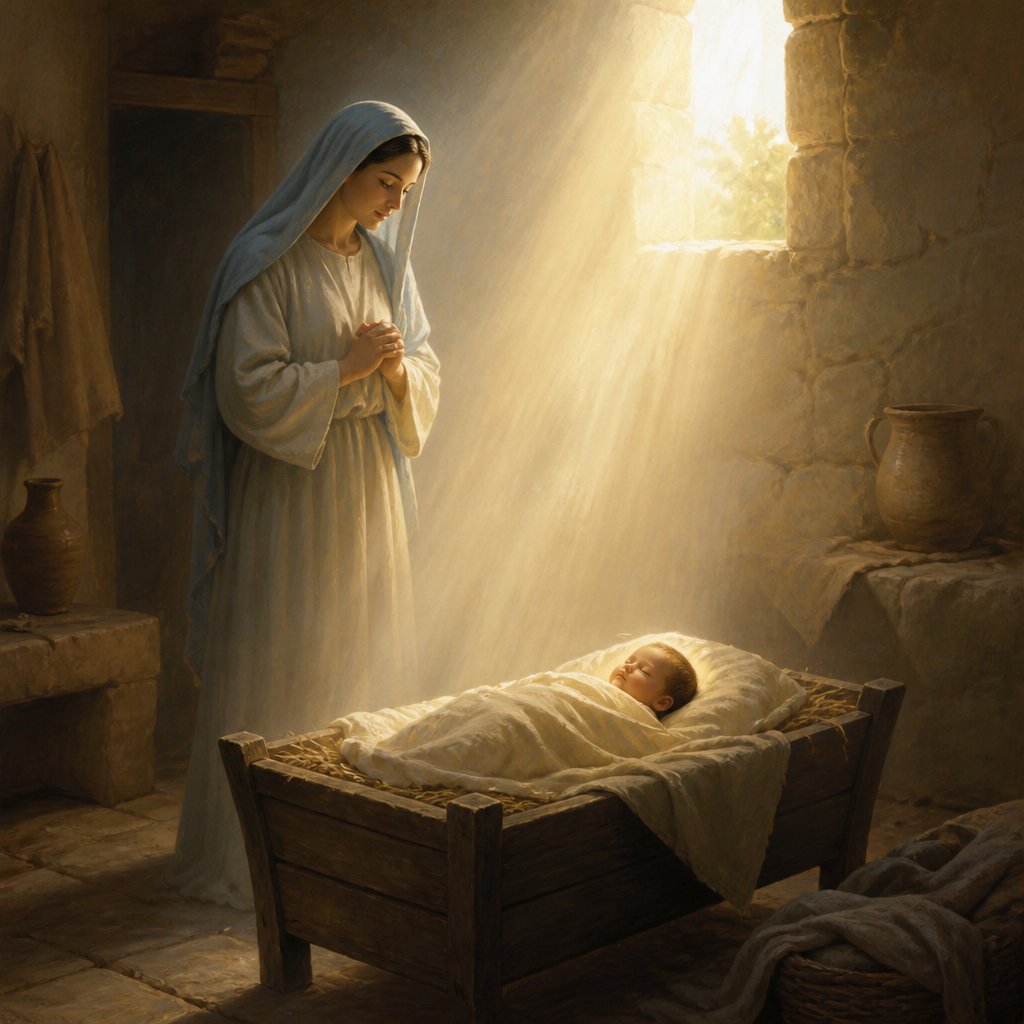
John 1:13 (KJV) - "Which were born, not of blood, nor of the will of the flesh, nor of the will of man, but of God."
This verse from the Gospel of John is a powerful statement on the process of spiritual rebirth and the divine origin of those who are chosen by God. In this verse, John is emphasizing that the new birth, which is necessary for salvation, does not come through human efforts or earthly means, but is solely a work of God.
The theme of spiritual rebirth is central to Christianity, and this verse highlights the importance of understanding the supernatural nature of this transformation. The phrase "which were born" refers to those who have experienced this spiritual rebirth, becoming new creations in Christ. This new birth is a spiritual awakening, a regeneration of the heart and soul that brings about a radical change in the individual.
The verse begins by stating that this new birth is "not of blood," indicating that it is not a matter of inheritance or lineage. One cannot inherit salvation through their family, no matter how righteous or religious their ancestors may have been. This is a rebuke of the prevalent belief among the Jews that their status as God's chosen people was based on their lineage. Instead, John emphasizes that spiritual rebirth is an individual experience that transcends human lineage and ancestry.
The next phrase, "nor of the will of the flesh," speaks to the inability of human effort to bring about this rebirth. It is not something that can be achieved through physical means or personal striving. No amount of good works, religious rituals, or moral efforts can bring about spiritual rebirth. This verse rejects the idea that salvation can be earned through human effort, emphasizing that it is a supernatural work of God.
The following phrase, "nor of the will of man," further emphasizes the inability of human agency to bring about spiritual rebirth. No human being has the power to grant salvation or initiate the new birth in another person. This includes religious leaders, who may have influence and authority in spiritual matters, but ultimately do not possess the ability to bring about spiritual rebirth. This further underscores the divine nature of salvation and the impossibility of achieving it through human means.
Finally, the verse concludes by affirming that this new birth is "of God." It is a work of divine origin, initiated and accomplished by God alone. This emphasizes the sovereignty of God in salvation, highlighting that it is a gift of grace rather than a reward for human merit.
The context of this verse is within the prologue of the Gospel of John, which introduces Jesus Christ as the Word made flesh, the light of the world, and the only begotten of the Father. In this context, John is establishing the divine nature of Jesus and the significance of his coming into the world. The theme of spiritual rebirth in this verse aligns with the larger theme of salvation and redemption that runs throughout the Gospel of John.
Symbolically, this verse signifies the supernatural nature of salvation and the divine initiative of God in bringing about spiritual rebirth. It emphasizes the radical transformation that occurs in those who are born again, as they become children of God through faith in Jesus Christ. It also serves as a reminder of the inadequacy of human effort and the necessity of God's sovereign intervention in the process of salvation.
In conclusion, John 1:13 is a profound statement on the spiritual rebirth that is necessary for salvation and the divine origin of this transformation. It emphasizes that salvation is not achieved through human lineage, effort, or agency, but is a supernatural work of God. This verse serves as a reminder of the sovereignty of God in the process of redemption and the centrality of faith in Jesus Christ as the means of experiencing spiritual rebirth.
Have questions about John 1:13?
Dive deeper into this scripture with Bible Chat — an AI-powered tool for exploring God's Word through conversation. Ask questions, get context, and grow in your understanding of the Bible.
Get Our Apps


John 1:13 Artwork

2 John 1:13 - "The children of thy elect sister greet thee. Amen."

John 1:13 - "Which were born, not of blood, nor of the will of the flesh, nor of the will of man, but of God."

3 John 1:13 - "I had many things to write, but I will not with ink and pen write unto thee:"

"The children of thy elect sister greet thee. Amen." - 2 John 1:13
"Which were born, not of blood, nor of the will of the flesh, nor of the will of man, but of God." - John 1:13

"I had many things to write, but I will not with ink and pen write unto thee:" - 3 John 1:13

John 1:3

John 1:3

1 John 4:13

BORN AGAIN JOHN 3:1-13

1 John 3:13 - "Marvel not, my brethren, if the world hate you."

John 1:3 - "All things were made by him; and without him was not any thing made that was made."

1 John 4:13 - "Hereby know we that we dwell in him, and he in us, because he hath given us of his Spirit."

"Marvel not, my brethren, if the world hate you." - 1 John 3:13

Luke 1:13

3 John 1:3 - "For I rejoiced greatly, when the brethren came and testified of the truth that is in thee, even as thou walkest in the truth."

John 13

2 John 1:3 - "Grace be with you, mercy, and peace, from God the Father, and from the Lord Jesus Christ, the Son of the Father, in truth and love."

"All things were made by him; and without him was not any thing made that was made." - John 1:3
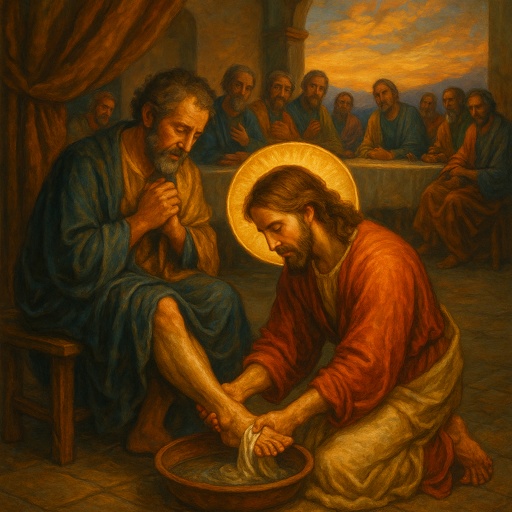
"Now before the feast of the passover, when Jesus knew that his hour was come that he should depart out of this world unto the Father, having loved his own which were in the world, he loved them unto the end." - John 13:1

Luke 1:13

John 13:13 - "Ye call me Master and Lord: and ye say well; for so I am."

Luke 1:13

1 John 1:3 - "That which we have seen and heard declare we unto you, that ye also may have fellowship with us: and truly our fellowship is with the Father, and with his Son Jesus Christ."

John 13:4-9

JOHN 6:11-13

John 20:11-13

Luke 1:13 - "But the angel said unto him, Fear not, Zacharias: for thy prayer is heard; and thy wife Elisabeth shall bear thee a son, and thou shalt call his name John."

1 John 5:13 - "These things have I written unto you that believe on the name of the Son of God; that ye may know that ye have eternal life, and that ye may believe on the name of the Son of God."

John 13:31-35