What does John 1:1 mean?
"In the beginning was the Word, and the Word was with God, and the Word was God." - John 1:1

“In the beginning was the Word, and the Word was with God, and the Word was God.” In the King James Bible this single sentence is the doorway into the whole Gospel of John, and it is written like a solemn declaration rather than a simple introduction. It reaches back behind the birth at Bethlehem and behind the creation itself, setting the life of Jesus Christ in the widest possible frame: eternity, God, and the making of all things.
The phrase “In the beginning” deliberately echoes the opening of Genesis, “In the beginning God created the heaven and the earth.” John places his reader at that same threshold, but instead of immediately speaking of what God made, he speaks first of who already was. The force of “was” is important in the KJV: it does not read “came to be,” but “was,” and it is repeated to press the point that the “Word” did not begin when the world began. Before anything was created, before time as creatures measure it, “the Word” already existed. John is not merely saying that God had a message at the start; he is saying that the Word is eternal.
John’s title “the Word” gathers up a rich set of meanings without using a long explanation. A “word” is how what is unseen becomes known: it expresses mind, will, and purpose. In Scripture, God creates by speaking: “And God said,” and what He said came to pass. God also reveals Himself by His word, gives commandments by His word, and promises salvation by His word. So when John names the Son “the Word,” he presents Him as God’s own self-expression, God made known, God acting and speaking in a personal way. The verse is not about a spoken syllable but about a living Person who is God’s perfect declaration of Himself.
“And the Word was with God” adds another vital truth: the Word is distinct in relation, not an impersonal attribute. To be “with” God is to face God, to be in communion and fellowship. John is careful to show both intimacy and distinction: the Word is not a second God competing with God, nor merely a mode or mask; the Word exists in personal relationship “with God.” This prepares the reader for everything that follows in the Gospel: the Son is sent by the Father, speaks what He has heard, does the Father’s will, and returns to the Father. The whole story of Christ’s coming is rooted in that eternal “with-ness,” that communion that existed before the world.
“And the Word was God” is John’s clearest confession of deity. After distinguishing the Word from God in relation—“with God”—John leaves no room for lowering the Word to a created being or a lesser divine figure. The Word is not simply like God; the Word “was God.” Whatever God is in His true nature, the Word is. This sets the foundation for worship and for the claims Christ will make in John’s Gospel, and it explains why His words and works carry divine authority. The verse holds together two truths that might seem difficult to keep together: the Word is distinct in relation, and yet fully God in essence.
The immediate context in John strengthens the meaning of John 1:1 by unfolding what “the Word” does. Just a few lines later the KJV says, “All things were made by him; and without him was not any thing made that was made.” That confirms the significance of “in the beginning”: the Word is not on the side of things made, but on the side of the Maker. He is the agent of creation, the One through whom all things came into being. This is why John begins here: if Jesus is the Word, then Jesus is not merely a teacher appearing late in history; He is the Creator stepping into His creation.
John’s symbolism also begins here. By calling Christ “the Word,” John hints that God’s final and fullest communication is not merely commandments written on stone or prophecies written on scrolls, but a Person who can be seen, heard, and known. The rest of the chapter will move from the high mystery of eternity into human history: “And the Word was made flesh, and dwelt among us.” John 1:1 is therefore the first half of a great movement: the eternal Word who is God will enter time, take flesh, and be encountered in the real world. The glory of the Gospel is that the One who was “in the beginning” comes near enough to be touched, yet without ceasing to be God.
There are also themes of light and life implicitly bound up with the Word’s identity. John soon says, “In him was life; and the life was the light of men.” If the Word is God, then the Word is the source of life, and therefore the answer to darkness, ignorance, and death. John’s opening verse is not abstract philosophy; it is the foundation for salvation. If the Word were not God, He could not be the true life of men; if He were not with God, He could not reveal God; if He were not eternal, He could not be the beginning of a new creation for those who are born again.
The significance of John 1:1, then, is that it introduces Jesus Christ in the most elevated way possible while also setting up the entire Gospel’s portrait of Him. It declares His eternal existence, His personal communion with God, and His full deity. It frames everything Christ says and does as the speech and action of God Himself. It also implies that God is not silent or distant: God has a Word, and that Word is living, personal, and divine. John begins with this verse so that when the reader later watches Jesus speak, heal, forgive, judge, and lay down His life, the reader understands the weight of it: the One walking in Galilee is the Word who was in the beginning, the Word who was with God, and the Word who was God.
Have questions about John 1:1?
Dive deeper into this scripture with Bible Chat — an AI-powered tool for exploring God's Word through conversation. Ask questions, get context, and grow in your understanding of the Bible.
Get Our Apps


John 1:1 Artwork

john 1:1

John 1:1

John 1:1

John 1:1

John 1:1-2

John 1:1

John 1:1
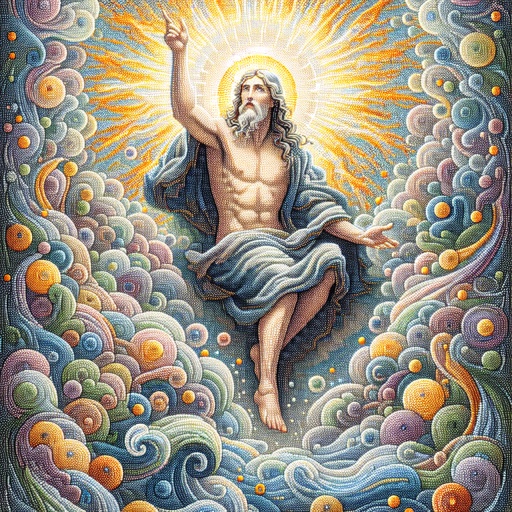
John 1:1

John 1:1

John 1:1

John 1:1

John 1:1

John 1:1

john 1:1

John 1:1 “In the beginning was the Word, and the Word was with God, and the Word was God.”

John 1:1 “In the beginning was the Word, and the Word was with God, and the Word was God.”

John 1:1 “In the beginning was the Word, and the Word was with God, and the Word was God.”

John 1:1 - "In the beginning was the Word, and the Word was with God, and the Word was God."

John 1:1 “In the beginning was the Word, and the Word was with God, and the Word was God.”
John 1:1-5

John 1:1-2

John 1:1-5

John 1:1-2

John 1:1-2

John 1:1-2

3 John 1:1 - "The elder unto the wellbeloved Gaius, whom I love in the truth."

John 1:1 (KJVA) 1 In the beginning was the Word, and the Word was with God, and the Word was God.

John 1:1 (KJVA) 1 In the beginning was the Word, and the Word was with God, and the Word was God.

John 1:1 (KJVA) 1 In the beginning was the Word, and the Word was with God, and the Word was God.

2 John 1:1 - "The elder unto the elect lady and her children, whom I love in the truth; and not I only, but also all they that have known the truth;"