What does John 18:7 mean?
"Then asked he them again, Whom seek ye? And they said, Jesus of Nazareth." - John 18:7
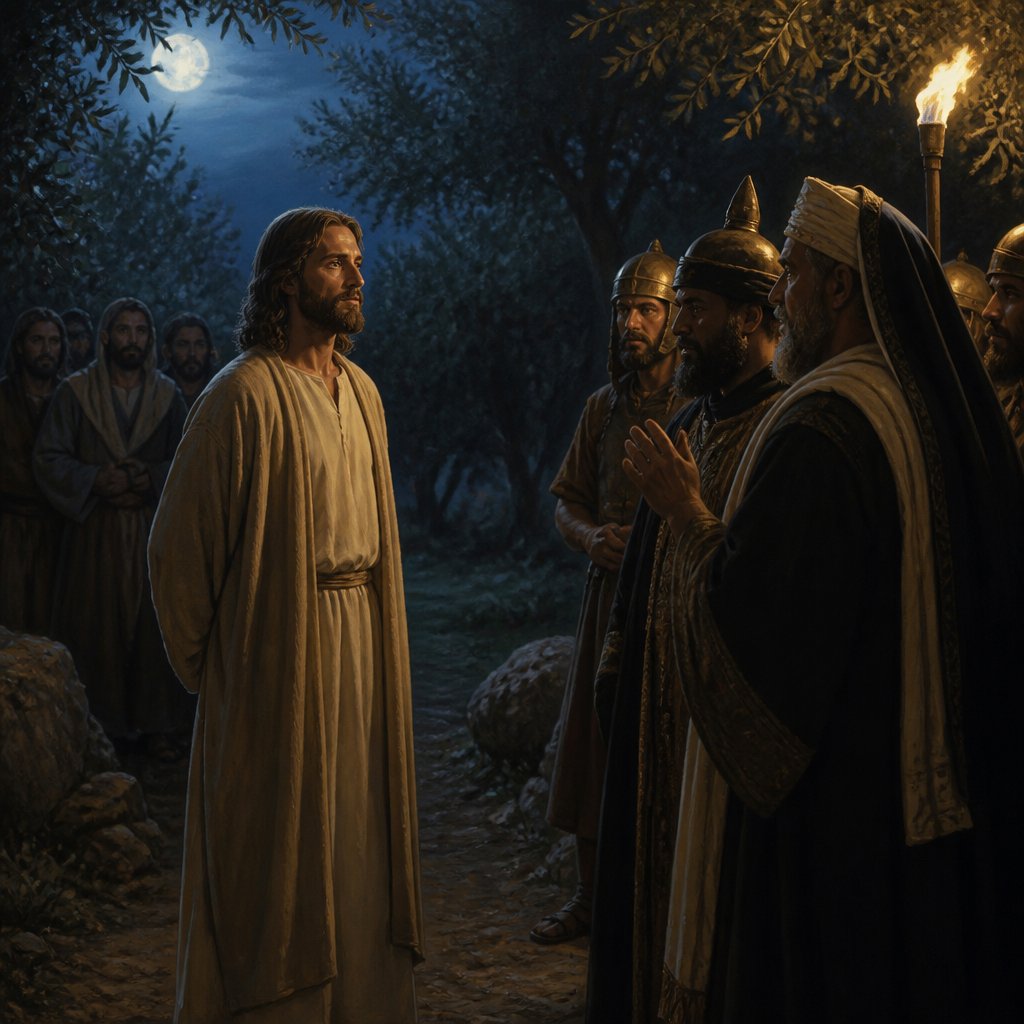
John 18:7 in the King James Version of the Bible states, "Then asked he them again, Whom seek ye? And they said, Jesus of Nazareth." This verse takes place during the events leading up to the crucifixion of Jesus Christ. To fully understand the depth and meaning of this verse, it is important to examine the context and symbolism within the passage, as well as the themes that it represents.
The context of this verse is significant, as it follows the scene in which Judas Iscariot has betrayed Jesus with a kiss, leading to Jesus being arrested by a group of soldiers and officers sent by the chief priests and Pharisees. In the previous verse, Jesus identifies himself to the soldiers by saying, "I am he," and as a result, they fall to the ground. When they get up, Jesus asks them, "Whom seek ye?" and they respond, "Jesus of Nazareth." This exchange marks the beginning of Jesus' surrender to his captors and his willingness to fulfill his purpose, which is to lay down his life for the salvation of humanity.
One of the key themes present in this verse is the fulfillment of prophecy. Jesus, being from Nazareth, fulfills the prophecy of the Messiah coming from the town of Nazareth. This theme emphasizes the divine plan of God unfolding through the life of Jesus, as every detail and aspect of his life was foretold by the prophets of the Old Testament. This verse serves as a reminder that Jesus is the fulfillment of the long-awaited promise of the Messiah, and his surrender to his captors is an essential part of this divine plan.
Another theme present in this verse is the willingness of Jesus to submit to his captors and ultimately to the cross. When Jesus asks the soldiers whom they seek, and they respond with "Jesus of Nazareth," it signifies his voluntary surrender and acceptance of his fate. Throughout the New Testament, Jesus demonstrates his obedience to the will of God, even in the face of suffering and death. This theme of submission and obedience to God's will is a powerful motif in the Christian faith, and it is exemplified in this verse as Jesus willingly offers himself to be taken into custody.
Symbolism is also present in this verse, particularly in the name of Jesus and the significance of Nazareth. The name "Jesus" means "Yahweh is salvation," emphasizing the redemptive purpose of his life and ultimately his death on the cross. The town of Nazareth also holds symbolic importance, as it was a place of low regard and insignificance in the eyes of the world. By being known as "Jesus of Nazareth," Jesus identifies with the marginalized and the outcast, demonstrating his solidarity with the broken and the downtrodden.
In conclusion, John 18:7 in the King James Version of the Bible holds profound meaning and significance within the larger narrative of Jesus' crucifixion. It represents the fulfillment of prophecy, the willingness of Jesus to submit to his captors, and the symbolism of his identity as the Savior of the world. This verse serves as a powerful reminder of the sacrificial love and obedience of Jesus, as well as a testament to the divine plan of God unfolding through his life and death.
Have questions about John 18:7?
Dive deeper into this scripture with Bible Chat — an AI-powered tool for exploring God's Word through conversation. Ask questions, get context, and grow in your understanding of the Bible.
Get Our Apps


John 18:7 Artwork

John 18:7 - "Then asked he them again, Whom seek ye? And they said, Jesus of Nazareth."
"Then asked he them again, Whom seek ye? And they said, Jesus of Nazareth." - John 18:7

John 7:17-18

John 7:17-18

John 7:17-18

John 7:17-18
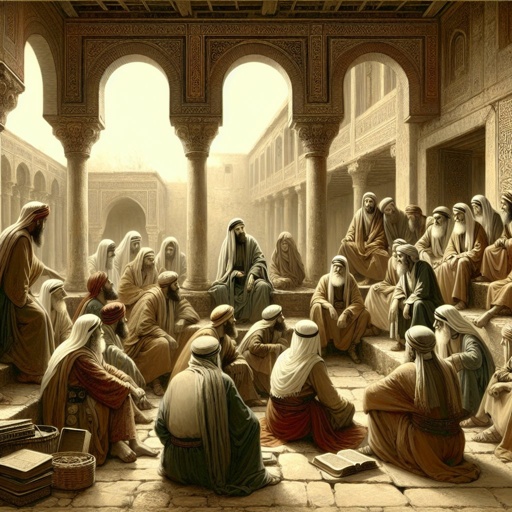
Luke 7:18 - "And the disciples of John shewed him of all these things."
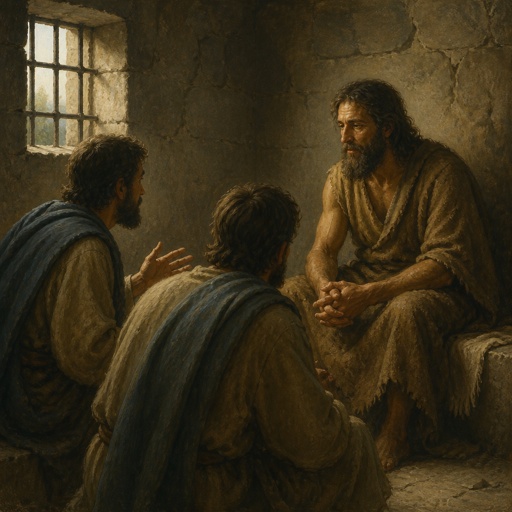
"And the disciples of John shewed him of all these things." - Luke 7:18

John 7:18 - "He that speaketh of himself seeketh his own glory: but he that seeketh his glory that sent him, the same is true, and no unrighteousness is in him."

John 18:25

john 18:36
John 7:38

John 15:7

John 7:38

John 7:38

John 15:7

John 7:38

1 John 5:18

1 John 4:18

1 John 4:18

John 7:37-39

John 7:37-39

John 7:38

John 18:27 - "Peter then denied again: and immediately the cock crew."

John 6:18 - "And the sea arose by reason of a great wind that blew."

John 7:38

John 7:38
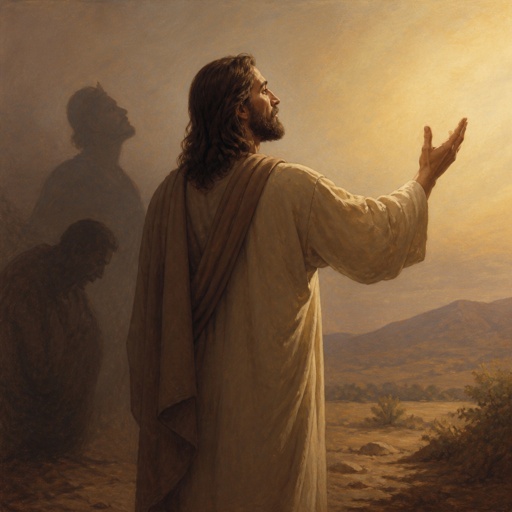
"He that speaketh of himself seeketh his own glory: but he that seeketh his glory that sent him, the same is true, and no unrighteousness is in him." - John 7:18

Mark 2:18 - "And the disciples of John and of the Pharisees used to fast: and they come and say unto him, Why do the disciples of John and of the Pharisees fast, but thy disciples fast not?"

John 18:18 - "And the servants and officers stood there, who had made a fire of coals; for it was cold: and they warmed themselves: and Peter stood with them, and warmed himself."